

Picoplano Sulfuroso vs Mosquerito Ventriamarillo
Tolmomyias sulphurescens frente a Ornithion semiflavum
Juega un quiz con Picoplano Sulfuroso y Mosquerito Ventriamarillo
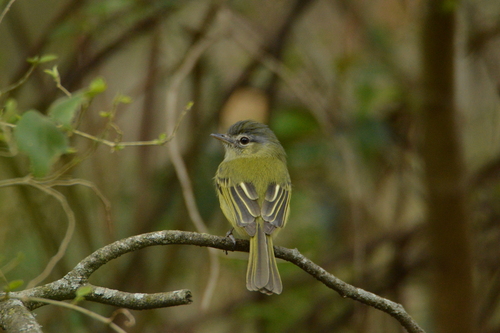 Picoplano Sulfuroso
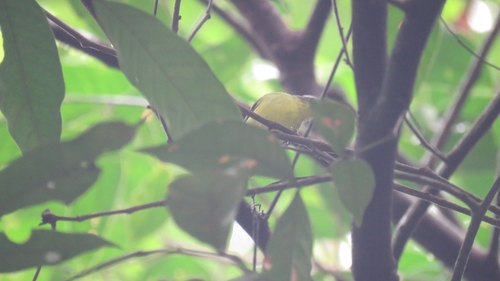 Mosquerito Ventriamarillo
En breve
La marca de campo más confiable es el tamaño y la estructura: el Picoplano Sulfuroso es mucho más grande y pesado con un pico ancho y plano, mientras que el Mosquerito Ventriamarillo es pequeño y delicado con un pico corto y puntiagudo. Ambas especies tienen partes superiores de color verde oliva y partes inferiores amarillas, pero el Picoplano muestra una corona de oliva más oscura y dos bandas alares amarillentas, mientras que el Mosquerito tiene una corona gris pizarra con un supercilio y frente blancos nítidos. Los juveniles de ambos son más pálidos por debajo, pero el pequeño tamaño y el pico afilado del Mosquerito son siempre distintivos. Si ves un pequeño atrapamoscas con una fuerte ceja blanca y proporciones diminutas, es el Mosquerito; un ave más grande, con un pico grueso y un patrón facial más sutil es el Picoplano.
Consejos de identificación
- El tamaño es el separador más rápido: Si el ave es pequeña (apenas más grande que un reyezuelo), es el Mosquerito Ventriamarillo. Si es notablemente más grande, acercándose al tamaño de un vireo pequeño o un warbler grande, es el Picoplano Sulfuroso. Esto se aplica a todas las edades y estaciones.
- Forma y tamaño del pico: El Picoplano tiene un pico ancho, plano y en forma de pala (especialmente obvio en vistas de perfil o de frente). El pico del Mosquerito es corto, delgado y puntiagudo, nunca plano o ancho. El color del pico es negro en ambos, pero la mandíbula del Picoplano puede ser de un gris pálido a rosado.
- Patrón facial: El Mosquerito muestra un fuerte supercilio y frente blancos (casi una 'ceja blanca'), contrastando con una corona gris pizarra. La cara del Picoplano es más simple, con solo una delgada banda blanca sobre los loretes y un delgado anillo ocular blanco; la corona es de color oliva o grisáceo-oliva, no claramente diferenciada de la cara.
- Barras alares: El Picoplano tiene dos barras alares amarillentas-olivas formadas por el borde de las cobertoras alares, visibles cuando está posado. El Mosquerito carece de barras alares distintas; sus alas son de un oliva oscuro sencillo con poco contraste.
- Color de la corona: La corona del Picoplano es de un oliva oscuro (a veces grisáceo en algunas subespecies), fusionándose con la nuca. La corona del Mosquerito es gris pizarra, contrastando marcadamente con la frente y el supercilio blancos.
- Partes inferiores: Ambos tienen vientres amarillos brillantes, pero el pecho y los flancos del Picoplano son de un oliva grisáceo verdoso, mientras que el amarillo del Mosquerito es más extenso y uniforme, con solo ligeras estrías olivas en el pecho/flancos.
- Color del iris: El iris del Picoplano es variable (marrón pálido a gris pálido o incluso grisáceo en algunas subespecies), mientras que el del Mosquerito es consistentemente marrón. Esto es sutil y rara vez diagnóstico en el campo.
- Diferencias juveniles: Los juveniles del Picoplano tienen un anillo ocular roto y un iris oscuro; los juveniles del Mosquerito tienen una corona y partes superiores marrones, y un amarillo más pálido por debajo. Ambos son más pálidos que los adultos, pero el pequeño tamaño y el contraste facial del Mosquerito permanecen.
- Cola: La cola del Picoplano es marrón a oscura con bordes amarillentos; la cola del Mosquerito es de un oliva oscuro, coincidiendo con las alas. La forma de la cola no es un separador fuerte.
- Color de las patas: Ambos tienen patas y pies grises a gris oscuro; no es útil para la separación.
- Comportamiento: El Mosquerito es mucho más activo, revoloteando y flotando entre el follaje; el Picoplano es más robusto y se posa de manera más deliberada.
- Hábitat: La superposición es extensa en América Central; no confíes solo en el hábitat.
- Rango geográfico: Si se ve en América del Sur (fuera de Panamá/Colombia), es casi seguro que es el Picoplano. En México y América Central, ambos ocurren.
- Sexo y temporada: Ambos sexos se parecen durante todo el año en ambas especies; no hay cambio estacional en el plumaje.
- Trampas: No confundas el delgado anillo ocular blanco y la banda sobre los loretes del Picoplano con un verdadero supercilio; solo el Mosquerito tiene una ceja blanca audaz. Las barras alares solo están presentes en el Picoplano. Siempre verifica primero la forma y el tamaño del pico si tienes dudas.
Tamaño
El Picoplano Sulfuroso es significativamente más grande: 12.5–14 cm de largo y 14.5–15.2 g de peso. El Mosquerito Ventriamarillo es mucho más pequeño, con solo 8–9 cm y 7–8 g. El Picoplano parece robusto y pesado, mientras que el Mosquerito es notablemente pequeño y delicado. En comparación directa, el Picoplano es casi el doble de la masa y un tercio más largo en longitud. Esta diferencia de tamaño es obvia en el campo si ambos se ven juntos o con especies de referencia familiares.
Plumaje
- Juveniles: Ambas especies tienen partes inferiores más pálidas como juveniles. Los juveniles del Picoplano tienen un anillo ocular roto y un iris oscuro, mientras que los juveniles del Mosquerito muestran un tinte marrón en la corona y partes superiores, y un amarillo aún más pálido por debajo.
- Adultos: Los adultos del Picoplano tienen una corona y nuca de un oliva oscuro (a veces grisáceo, dependiendo de la subespecie), un delgado anillo ocular blanco y dos barras alares amarillentas-olivas. La cara es relativamente simple excepto por una delgada banda blanca sobre los loretes. Las partes inferiores son de un oliva grisáceo en el pecho, amarillo brillante en el vientre. Los adultos del Mosquerito tienen una corona gris pizarra con una striking frente blanca, loretes y supercilio, dando un fuerte efecto de 'ceja'. Sus partes superiores son de un oliva brillante, alas y cola de un oliva oscuro, y partes inferiores de un amarillo brillante con ligeras estrías olivas en el pecho y flancos. El Mosquerito carece de las barras alares del Picoplano y tiene un patrón facial mucho más contrastante.
- Patrón de alas en vuelo: No se describen patrones distintivos de alas superiores juveniles o inmaduros (como triángulos o marcas en W) para ninguna de las especies; ambas tienen alas bastante simples con un borde sutil, pero las barras alares del Picoplano son más evidentes cuando está posado.
Comportamiento
Ambos son atrapamoscas activos de dosel o de borde, pero el pequeño tamaño y los rápidos movimientos del Mosquerito lo hacen parecer más inquieto y enérgico. El Picoplano es más robusto y tiende a posarse de manera más deliberada, a menudo saliendo de un posadero prominente. El comportamiento del Mosquerito a menudo se describe como revoloteando y flotando entre el follaje, mientras que el Picoplano es más propenso a quedarse quieto durante intervalos más largos. En vuelo, la forma pequeña y compacta del Mosquerito es distintiva en comparación con las alas más anchas y la apariencia más pesada del Picoplano.
Hábitat
Ambas especies se superponen ampliamente en América Central y hábitats de borde, pero el Picoplano Sulfuroso tiene un rango mucho más amplio, encontrado desde México a través de toda América Central, Trinidad y casi toda América del Sur, excepto Chile. El Mosquerito Ventriamarillo está restringido a América Central y el sur de México. Ambos prefieren bordes de bosque, crecimiento secundario y bosques abiertos, por lo que el hábitat solo no es diagnóstico dentro de la zona de superposición.
Picoplano Sulfuroso · Mosquerito Ventriamarillo · Mis aves difíciles