

Piro piro boschereccio vs Pettegola
Tringa glareola contro Tringa totanus
Fai un quiz con Piro piro boschereccio e Pettegola
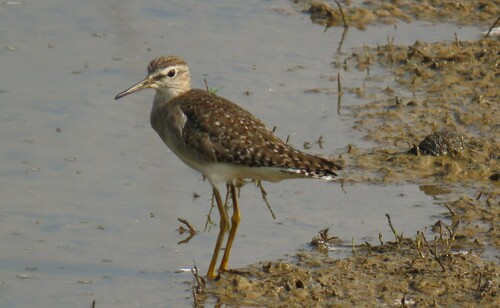 Piro piro boschereccio
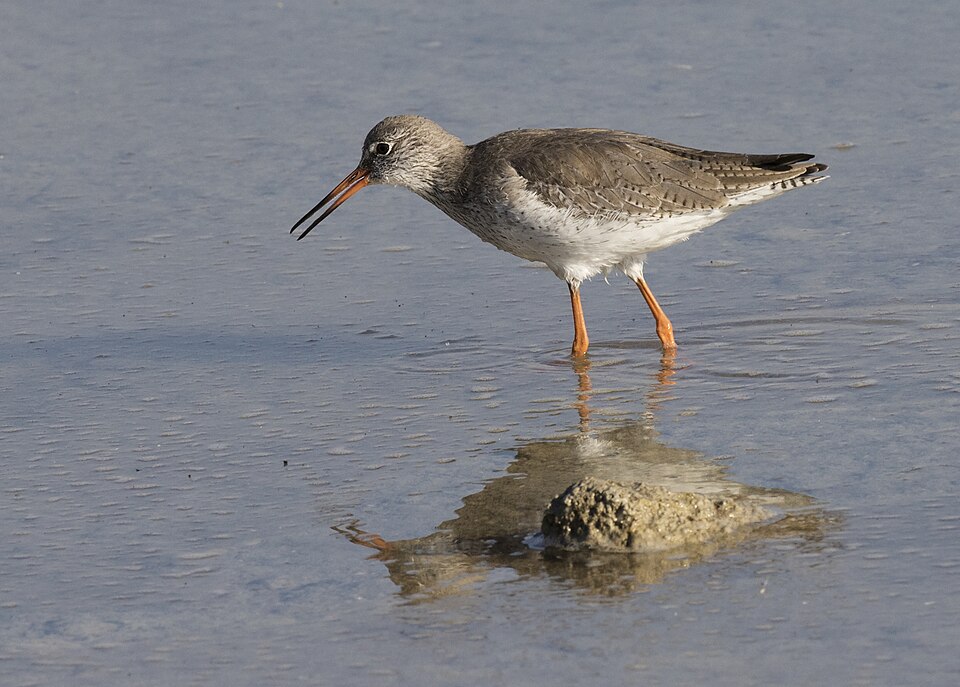 Pettegola
In breve
Il modo più affidabile per separare il Piro piro boschereccio dal Pettegola è attraverso la loro dimensione e il colore delle gambe: il Piro piro boschereccio è decisamente più piccolo e ha gambe giallastre, mentre il Pettegola è quasi due volte più pesante e mostra gambe rosse vivaci. In volo, il Pettegola sfoggia un audace bianco sulla schiena e sulle ali, mentre la macchia del posteriore del Piro piro boschereccio è più piccola e meno contrastante. Anche il colore e la struttura del becco differiscono: il becco del Piro piro boschereccio è più corto e fine, mentre quello del Pettegola è più lungo, con una base rossa e una punta nera. Entrambe le specie possono mostrare parti superiori marroni simili in piumaggio di riproduzione, quindi concentrati su struttura, colore delle gambe e schema di volo per una separazione sicura.
Consigli di identificazione
- Il colore delle gambe è un segno distintivo chiave: Il Piro piro boschereccio mostra sempre gambe giallastre, mentre quelle del Pettegola sono rosse brillanti. Questo è visibile sia a riposo che in volo, e funziona per tutte le età e stagioni.
- Dimensione e corporatura: Il Piro piro boschereccio è molto più piccolo e più delicato rispetto al robusto e più pesante Pettegola. Se vedi entrambi insieme, la differenza è evidente; singolarmente, nota le proporzioni più fini del Piro piro boschereccio e le gambe più lunghe rispetto al suo corpo.
- Forma e colore del becco: Il Piro piro boschereccio ha un becco più corto e fine; il becco del Pettegola è più lungo, con una base rossa e una punta nera. Il colore del becco è particolarmente utile in viste ravvicinate.
- Schema di volo: In volo, il Pettegola mostra un audace cuneo bianco sulla schiena e bianco sulle ali, rendendolo molto appariscente. La macchia bianca del posteriore del Piro piro boschereccio è più piccola e meno contrastante, quindi le parti superiori appaiono più marroni e meno appariscenti in volo.
- Dettagli del piumaggio nella stagione di riproduzione: Entrambi sono marroni sopra con alcune macchie, ma il Piro piro boschereccio è più chiaro e più finemente marcato, mentre il Pettegola è marrone marmorizzato e leggermente più chiaro sotto. Questo è sottile e non sempre affidabile a distanza.
- Piumaggio non riproduttivo: Il Pettegola diventa più semplice e grigio sopra, ma il colore delle gambe e del becco rimane diagnostico. Il piumaggio invernale del Piro piro boschereccio non è descritto in dettaglio, ma rimane generalmente più chiaro e meno contrastante.
- Contesto dell'habitat: Il Piro piro boschereccio è raramente trovato sulla costa; se sei in una palude o in uno stagno d'acqua dolce, specialmente nell'entroterra, è più probabile. Il Pettegola è comune in habitat costieri e estuarini, ma può anche essere trovato nell'entroterra.
- Comportamento: Il Piro piro boschereccio spesso appare più attivo e galleggiante, alimentandosi in acque più basse, mentre il Pettegola è più stabile e assertivo.
- Jizz in volo: Il Piro piro boschereccio appare più leggero e più aggraziato in aria; il volo del Pettegola è più diretto e potente.
- Nessun segno di volo specifico per età: Nessuna delle due specie ha un modello di volo unico per giovani o immaturi descritto nelle fonti, quindi fai affidamento su struttura e colore delle gambe per i giovani uccelli.
- Trappole del piumaggio: Entrambi possono sembrare simili a distanza in luce fioca, specialmente in piumaggio non riproduttivo, quindi non fare affidamento solo sul colore generale.
- Voce: Non descritta nelle fonti, quindi non utilizzare vocalizzazioni per la separazione qui.
- Differenze sessuali: Non descritte come significative per la separazione sul campo in queste specie.
- Quando hai dubbi: Se vedi un piccolo trampoliere con becco fine e gambe giallastre e solo una piccola macchia bianca sul posteriore in volo, è il Piro piro boschereccio; se l'uccello è più robusto, con gambe rosse e un audace cuneo bianco sulla schiena in volo, è il Pettegola.
Taglia
Il Piro piro boschereccio è molto più leggero (67,5 g) rispetto al Pettegola (129 g) [wikidata], rendendolo il più piccolo dei trampolieri. Sul campo, il Piro piro boschereccio appare più delicato e leggermente costruito, con gambe più lunghe rispetto alla sua dimensione corporea, mentre il Pettegola è visibilmente più robusto e massiccio nel complesso. Questa differenza di dimensione è spesso evidente quando entrambe le specie sono viste insieme, ma anche singolarmente, il profilo più pesante e robusto del Pettegola si distingue.
Piumaggio
- Piumaggio giovanile/immaturo e volo: Nessun segno specifico per età per le ali superiori o il modello di volo è descritto per il Piro piro boschereccio o il Pettegola nelle fonti, ma in tutte le età, il Pettegola mostra un forte cuneo bianco sulla schiena e bianco sulle ali in volo, mentre la macchia bianca del posteriore del Piro piro boschereccio è più piccola e meno contrastante [wikipedia].
- Piumaggio di riproduzione: Entrambe le specie sono marroni sobrie sopra con macchie più scure e hanno macchie marroni diffuse sul petto e sul collo. Il Piro piro boschereccio è più chiaro e più finemente marcato, mentre il Pettegola è marrone marmorizzato e leggermente più chiaro sotto.
- Piumaggio non riproduttivo (invernale): Il Pettegola diventa più semplice, con parti superiori grigio-marroni e parti inferiori bianche; il piumaggio non riproduttivo del Piro piro boschereccio non è descritto in dettaglio, ma rimane generalmente più chiaro e meno contrastante rispetto al Pettegola.
- Colore delle gambe: Il Piro piro boschereccio ha gambe giallastre; il Pettegola ha gambe rosse brillanti in tutti i piumaggi.
- Becco: Il becco del Piro piro boschereccio è più corto e fine; quello del Pettegola è più lungo, con una base rossa e una punta nera.
Comportamento
Entrambe le specie si nutrono sondando in acque basse o fango per invertebrati, ma il Piro piro boschereccio è più probabile che venga visto mentre si nutre attivamente in habitat d'acqua dolce più piccoli e tranquilli, apparendo spesso più delicato e agile. Il Pettegola, essendo più grande e pesante, si muove con un passo più costante e può dominare le aree di alimentazione. Entrambe le specie sono all'erta e si allontaneranno facilmente se disturbate, ma il volo del Pettegola è più potente e diretto, mentre il Piro piro boschereccio appare più leggero e più galleggiante in aria.
Habitat
Il Piro piro boschereccio preferisce ambienti d'acqua dolce e umidi—come le rive dei laghi, le sponde dei fiumi e le paludi—spesso lontano dalla costa. Il Pettegola è più versatile ma si trova frequentemente in habitat marittimi o costieri, così come in zone umide interne. Se trovi un piccolo trampoliere in un ambiente esclusivamente d'acqua dolce, specialmente lontano dall'influenza delle maree, è più probabile che sia il Piro piro boschereccio; su paludi salmastre, fanghiglie o estuari, il Pettegola domina.
Piro piro boschereccio · Pettegola · I miei uccelli difficili