

Andarríos Bastardo vs Archibebe Común
Tringa glareola frente a Tringa totanus
Juega un quiz con Andarríos Bastardo y Archibebe Común
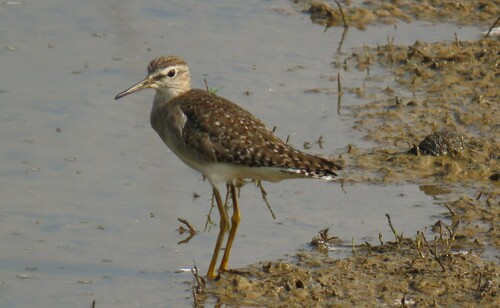 Andarríos Bastardo
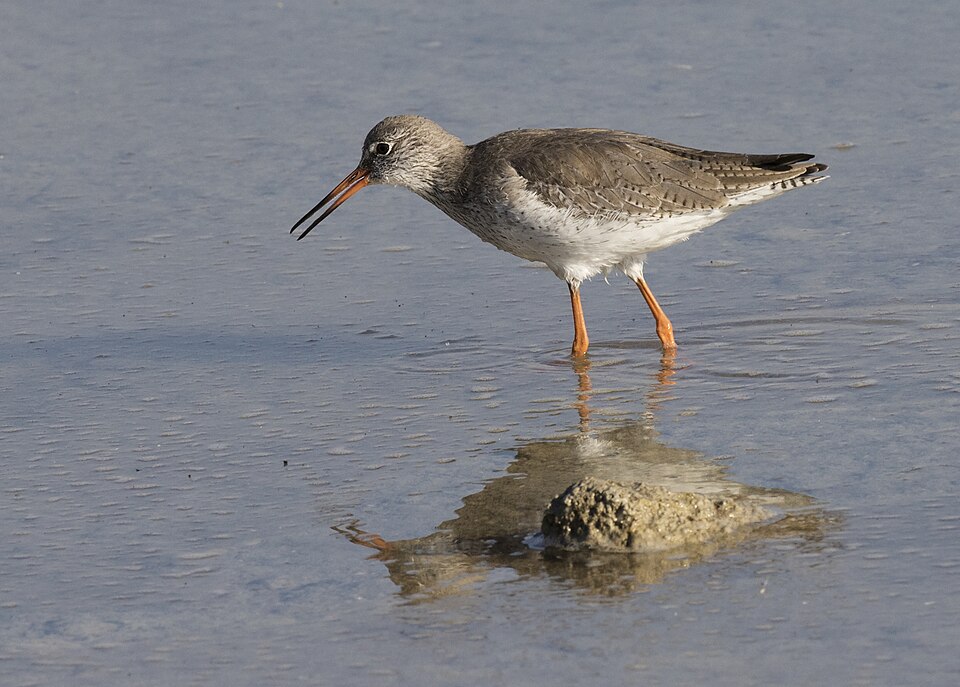 Archibebe Común
En breve
La forma más confiable de separar el Andarríos Bastardo del Archibebe Común es por su tamaño y color de patas: el Andarríos Bastardo es notablemente más pequeño y tiene patas amarillentas, mientras que el Archibebe Común es casi el doble de pesado y muestra patas rojas vívidas. En vuelo, el Archibebe Común muestra un fuerte blanco en la parte posterior y en las alas, mientras que la mancha del rabadilla del Andarríos Bastardo es más pequeña y menos contrastante. El color y la estructura del pico también difieren: el pico del Andarríos Bastardo es más corto y más fino, mientras que el del Archibebe es más largo, con una base roja y punta negra. Ambas especies pueden mostrar partes superiores marrones similares en plumaje de cría, así que concéntrate en la estructura, el color de las patas y el patrón de vuelo para una separación confiable.
Consejos de identificación
- El color de las patas es una marca clave de campo: El Andarríos Bastardo siempre muestra patas amarillentas, mientras que las del Archibebe Común son de un rojo brillante. Esto es visible tanto en reposo como en vuelo, y funciona para todas las edades y estaciones.
- Tamaño y constitución: El Andarríos Bastardo es mucho más pequeño y más delicado que el robusto y pesado Archibebe. Si ves ambos juntos, la diferencia es obvia; individualmente, nota las proporciones más finas del Andarríos Bastardo y sus patas más largas en relación con su cuerpo.
- Forma y color del pico: El Andarríos Bastardo tiene un pico más corto y más fino; el pico del Archibebe es más largo, con una base roja y punta negra. El color del pico es especialmente útil en vistas cercanas.
- Patrón de vuelo: En vuelo, el Archibebe Común muestra una cuña blanca audaz en la parte posterior y blanco en las alas, lo que lo hace muy llamativo. La mancha blanca del rabadilla del Andarríos Bastardo es más pequeña y menos contrastante, por lo que las partes superiores se ven más marrones y menos llamativas en vuelo.
- Detalles del plumaje en la temporada de cría: Ambos son marrones por encima con algo de moteado, pero el Andarríos Bastardo es más claro y más finamente marcado, mientras que el Archibebe es marrón jaspeado y ligeramente más claro por debajo. Esto es sutil y no siempre confiable a distancia.
- Plumaje no reproductivo: El Archibebe se vuelve más sencillo y grisáceo por encima, pero el color de las patas y el pico siguen siendo diagnósticos. El plumaje invernal del Andarríos Bastardo no está tan bien descrito, pero se mantiene generalmente más claro y menos contrastante.
- Contexto del hábitat: El Andarríos Bastardo rara vez se encuentra en la costa; si estás en un pantano o estanque de agua dulce, especialmente en el interior, es más probable. El Archibebe es común en hábitats costeros y estuarinos, pero también se puede encontrar en el interior.
- Comportamiento: El Andarríos Bastardo a menudo parece más activo y ligero, alimentándose en aguas más someras, mientras que el Archibebe es más estable y asertivo.
- Jizz en vuelo: El Andarríos Bastardo se ve más ligero y más elegante en el aire; el vuelo del Archibebe es más directo y poderoso.
- Sin marcas de vuelo específicas de edad: Ninguna de las especies tiene un patrón único de ala superior juvenil o inmaduro descrito en las fuentes, así que confía en la estructura y el color de las patas para las aves jóvenes.
- Trampas de plumaje: Ambas pueden parecer similares a distancia en luz tenue, especialmente en plumaje no reproductivo, así que no confíes únicamente en el color general.
- Voz: No se describe en las fuentes, así que no uses vocalizaciones para la separación aquí.
- Diferencias sexuales: No se describen como significativas para la separación de campo en estas especies.
- Cuando tengas dudas: Si ves un pequeño chorlito con pico fino y patas amarillentas y solo una pequeña rabadilla blanca en vuelo, es el Andarríos Bastardo; si el ave es más robusta, con patas rojas y una cuña blanca audaz en la parte posterior en vuelo, es el Archibebe Común.
Tamaño
El Andarríos Bastardo es mucho más ligero (67.5g) que el Archibebe Común (129g) [wikidata], lo que lo convierte en el más pequeño de los chorlitos. En el campo, el Andarríos Bastardo parece más delicado y de construcción ligera, con patas más largas en relación con su tamaño corporal, mientras que el Archibebe Común es notablemente más robusto y pesado en general. Esta diferencia de tamaño es a menudo evidente cuando ambas especies se ven juntas, pero incluso individualmente, el perfil más pesado y robusto del Archibebe se destaca.
Plumaje
- Plumaje juvenil/inmaduro y vuelo: No se describen marcas específicas de edad en el ala superior o patrón de vuelo para el Andarríos Bastardo o el Archibebe Común en las fuentes, pero en todas las edades, el Archibebe Común muestra una fuerte cuña blanca en la parte posterior y blanco en las alas en vuelo, mientras que la mancha blanca del rabadilla del Andarríos Bastardo es más pequeña y menos contrastante [wikipedia].
- Plumaje de cría: Ambas especies son de un marrón apagado por encima con moteado más oscuro y tienen manchas marrones difusas en el pecho y el cuello. El Andarríos Bastardo es más claro y más finamente marcado, mientras que el Archibebe es marrón jaspeado y ligeramente más claro por debajo.
- Plumaje no reproductivo (invernal): El Archibebe Común se vuelve más sencillo, con partes superiores marrón grisáceo y partes inferiores blanquecinas; el plumaje no reproductivo del Andarríos Bastardo no se describe en detalle, pero permanece generalmente más claro y menos contrastante que el del Archibebe.
- Color de las patas: El Andarríos Bastardo tiene patas amarillentas; el Archibebe Común tiene patas rojas brillantes en todos los plumajes.
- Pico: El pico del Andarríos Bastardo es más corto y más fino; el del Archibebe es más largo, con una base roja y punta negra.
Comportamiento
Ambas especies forrajean sondeando en aguas poco profundas o barro en busca de invertebrados, pero el Andarríos Bastardo es más probable que se vea alimentándose activamente en hábitats de agua dulce más pequeños y tranquilos, a menudo apareciendo más delicado y ágil. El Archibebe Común, siendo más grande y pesado, se mueve con un paso más constante y puede dominar las áreas de alimentación. Ambas especies son alertas y se asustarán fácilmente si son molestadas, pero el vuelo del Archibebe es más poderoso y directo, mientras que el Andarríos Bastardo parece más ligero y más flotante en el aire.
Hábitat
El Andarríos Bastardo prefiere ambientes de agua dulce y humedales, como orillas de lagos, márgenes de ríos y pantanos, a menudo lejos de la costa. El Archibebe Común es más versátil, pero se encuentra frecuentemente en hábitats marítimos o costeros, así como en humedales interiores. Si encuentras un pequeño chorlito en un entorno estrictamente de agua dulce, especialmente alejado de la influencia de las mareas, es más probable que sea el Andarríos Bastardo; en marismas salinas, llanuras de barro o estuarios, el Archibebe domina.