

Motmot

タカブシギ 対 アカアシシギ

Tringa glareola 対 Tringa totanus

タカブシギとアカアシシギのクイズ
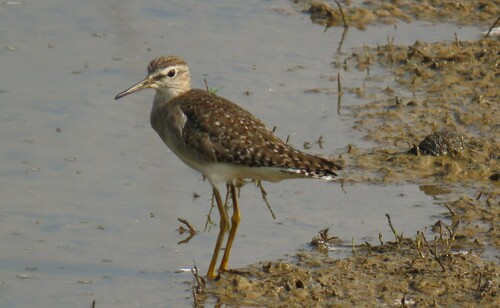
タカブシギ (Tringa glareola) タカブシギ
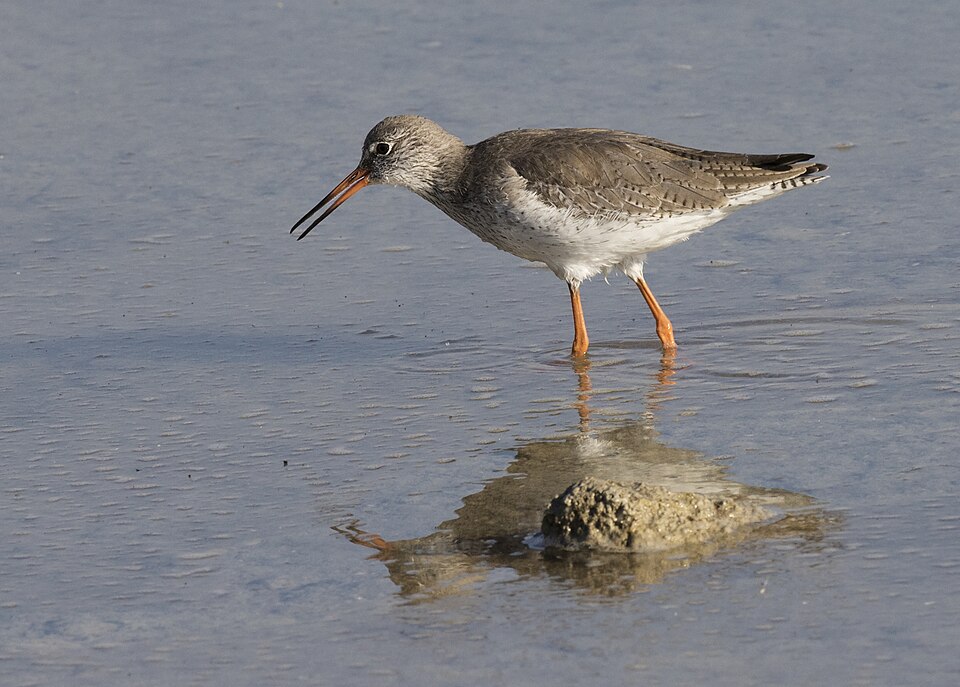
アカアシシギ (Tringa totanus) アカアシシギ

メディア

読み込み中…

要点

タカブシギとアカアシシギを区別する最も信頼できる方法は、サイズと脚の色です:タカブシギは明らかに小さく、黄色がかった脚を持ち、アカアシシギはほぼ2倍の重さで鮮やかな赤い脚を示します。飛んでいるとき、アカアシシギは背中と翼に大胆な白を見せますが、タカブシギの尾羽の斑点は小さく、対照が少ないです。くちばしの色と構造も異なります:タカブシギのくちばしは短くて細く、アカアシシギのくちばしは長く、赤い基部と黒い先端を持っています。両種は繁殖羽衣で似たような茶色の上面を示すことがありますので、確実に区別するためには構造、脚の色、飛行パターンに注目してください。

識別のコツ

  1. 脚の色は重要なフィールドマークです: タカブシギは常に黄色がかった脚を示し、アカアシシギの脚は明るい赤です。これは静止時と飛行時の両方で確認でき、すべての年齢と季節に適用されます。
  2. サイズと体型: タカブシギは頑丈で重いアカアシシギよりもはるかに小さく、繊細です。両方を一緒に見ると、その違いは明らかです;単独で見る場合は、タカブシギの体に対する細い比率と長い脚に注目してください。
  3. くちばしの形と色: タカブシギは短くて細いくちばしを持ち、アカアシシギのくちばしは長く、赤い基部と黒い先端を持っています。くちばしの色は特に近くでの観察に役立ちます。
  4. 飛行パターン: 飛行中、アカアシシギは背中に大胆な白い三角形を示し、翼にも白がありますので非常に目立ちます。タカブシギの白い尾羽の斑点は小さく、対照が少ないため、飛行中の上面はより茶色く、目立たなく見えます。
  5. 繁殖期の羽衣の詳細: 両種は上面が茶色で、いくつかの斑点がありますが、タカブシギはより明るく、細かく模様があり、アカアシシギはマーブル模様の茶色で、下側はやや明るいです。これは微妙で、遠くからは必ずしも信頼できるわけではありません。
  6. 非繁殖羽衣: アカアシシギは上面がより平坦で灰色がかった茶色になりますが、脚とくちばしの色は診断的です。タカブシギの冬羽衣は詳細には説明されていませんが、一般的にアカアシシギよりも明るく、対照が少ないままです。
  7. 生息地の文脈: タカブシギは海岸ではめったに見られません;もし淡水の湿地や池にいる場合、特に内陸では、見られる可能性が高いです。アカアシシギは海岸や河口の生息地に一般的ですが、内陸でも見られることがあります。
  8. 行動: タカブシギは浅い水で餌を探しているときにより活発で浮遊感があるように見え、アカアシシギはより安定していて主張が強いです。
  9. 飛行時の印象: タカブシギは空中でより軽やかで優雅に見え、アカアシシギの飛行はより直接的で力強いです。
  10. 年齢特有の飛行マークはない: 両種とも、ソースに記載された独自の幼鳥や未熟な上翼パターンはありませんので、若い鳥には構造と脚の色に頼ってください。
  11. 羽衣の落とし穴: 両種は、特に非繁殖羽衣では鈍い光の中で遠くから似て見えることがあるため、全体の色だけに頼らないでください。
  12. 声: ソースには記載されていないため、ここでの区別に音声を使用しないでください。
  13. 性差: これらの種のフィールドでの区別には重要ではないと記載されています。
  14. 疑わしい場合: 脚が黄色がかった小さくて細いくちばしのシギが飛んでいるのを見た場合、それはタカブシギです;もしその鳥がより大きく、赤い脚と飛行中に背中に大胆な白い三角形を持っているなら、それはアカアシシギです。

大きさ

タカブシギはアカアシシギ(129g)よりもはるかに軽い(67.5g)ため、シギの中で最小です。フィールドでは、タカブシギはより繊細で軽やかに見え、体のサイズに対して脚が長く、アカアシシギは全体的に明らかにがっしりとしていて頑丈です。このサイズの違いは、両種が一緒に見られるときにしばしば明らかですが、単独でもアカアシシギの重く、がっしりとしたプロファイルが際立ちます。

羽色

行動

両種は浅い水や泥の中で無脊椎動物を探すために探餌しますが、タカブシギはより小さく静かな淡水の生息地で活発に餌を探しているのが見られることが多く、より繊細で敏捷に見えます。アカアシシギは大きくて重いため、より安定した歩き方をし、餌場を支配することがあります。両種は警戒心が強く、 disturbance があればすぐに飛び立ちますが、アカアシシギの飛行はより力強く直接的で、タカブシギは空中でより軽やかで浮遊感があります。

生息環境

タカブシギは淡水や湿地環境—湖岸、河岸、湿地など—を好み、海岸から離れた場所で見られることが多いです。アカアシシギはより多様性があり、海洋または海岸の生息地や内陸の湿地でも頻繁に見られます。もし厳密な淡水環境で小さなシギを見つけた場合、特に潮の影響から離れている場合、タカブシギである可能性が高いです;塩湿地、干潟、または河口では、アカアシシギが優勢です。

より良い説明を送る

比較と同じ項目を使ってください。文章はすぐに公開されます。

The most reliable way to separate Wood Sandpiper from Common Redshank is by their size and leg color: Wood Sandpiper is distinctly smaller and has yellowish legs, while Common Redshank is nearly twice as heavy and shows vivid red legs. In flight, Common Redshank flashes bold white up the back and on the wings, whereas Wood Sandpiper’s rump patch is smaller and less contrasting. Bill color and structure also differ: Wood Sandpiper’s bill is shorter and finer, while Redshank’s is longer, with a red base and black tip. Both species can show similar brownish upperparts in breeding plumage, so focus on structure, leg color, and flight pattern for confident separation.

  1. Leg color is a key field mark: Wood Sandpiper always shows yellowish legs, while Common Redshank’s are bright red. This is visible both at rest and in flight, and works for all ages and seasons.
  2. Size and build: Wood Sandpiper is much smaller and more delicate than the robust, heavier Redshank. If you see both together, the difference is obvious; singly, note the Wood Sandpiper’s finer proportions and longer legs relative to its body.
  3. Bill shape and color: Wood Sandpiper has a shorter, finer bill; Redshank’s bill is longer, with a red base and black tip. Bill color is especially helpful in close views.
  4. Flight pattern: In flight, Common Redshank shows a bold white wedge up the back and white on the wings, making it very striking. Wood Sandpiper’s white rump patch is smaller and less contrasting, so the upperparts look browner and less flashy in flight.
  5. Plumage details in breeding season: Both are brown above with some mottling, but Wood Sandpiper is lighter and more finely marked, while Redshank is marbled brown and slightly lighter below. This is subtle and not always reliable at a distance.
  6. Non-breeding plumage: Redshank becomes plainer and greyer above, but leg and bill color remain diagnostic. Wood Sandpiper’s winter plumage is not as well described but stays paler and less contrasting.
  7. Habitat context: Wood Sandpiper is rarely found on the coast; if you’re in a freshwater marsh or pond, especially inland, it’s more likely. Redshank is common in coastal and estuarine habitats but can also be found inland.
  8. Behavior: Wood Sandpiper often appears more active and buoyant, feeding in shallower water, while Redshank is steadier and more assertive.
  9. Jizz in flight: Wood Sandpiper looks lighter and more graceful in the air; Redshank’s flight is more direct and powerful.
  10. No strong age-specific flight marks: Neither species has a unique juvenile or immature upperwing pattern described in the sources, so rely on structure and leg color for young birds.
  11. Plumage pitfalls: Both can look similar at a distance in dull light, especially in non-breeding plumage, so do not rely solely on overall color.
  12. Voice: Not described in the sources, so do not use vocalizations for separation here.
  13. Sex differences: Not described as significant for field separation in these species.
  14. When in doubt: If you see a small, fine-billed shank with yellowish legs and only a small white rump in flight, it’s Wood Sandpiper; if the bird is bulkier, with red legs and a bold white wedge up the back in flight, it’s Common Redshank.

Wood Sandpiper is much lighter (67.5g) than Common Redshank (129g) [wikidata], making it the smallest of the shanks. In the field, Wood Sandpiper appears more delicate and lightly built, with longer legs relative to its body size, while Common Redshank is noticeably bulkier and more robust overall. This size difference is often apparent when both species are seen together, but even singly, Redshank’s heavier, stockier profile stands out.

  • Juvenile/immature plumage and flight: No age-specific upperwing or flight pattern marks are described for Wood Sandpiper or Common Redshank in the sources, but in all ages, Common Redshank shows a strong white wedge up the back and white on the wings in flight, while Wood Sandpiper’s white rump patch is smaller and less contrasting [wikipedia].
  • Breeding plumage: Both species are subdued brown above with darker mottling and have diffuse brownish spots on the breast and neck. Wood Sandpiper is lighter and more finely marked, while Redshank is marbled brown and slightly lighter below.
  • Non-breeding (winter) plumage: Common Redshank becomes plainer, with greyish-brown upperparts and whitish underparts; Wood Sandpiper’s non-breeding plumage is not described in detail, but it remains generally paler and less contrasting than Redshank.
  • Leg color: Wood Sandpiper has yellowish legs; Common Redshank has bright red legs in all plumages.
  • Bill: Wood Sandpiper’s bill is shorter and finer; Redshank’s is longer, with a red base and black tip.

Both species forage by probing in shallow water or mud for invertebrates, but Wood Sandpiper is more likely to be seen actively feeding in smaller, quieter freshwater habitats, often appearing more delicate and agile. Common Redshank, being larger and heavier, moves with a steadier gait and may dominate feeding areas. Both species are alert and will flush readily if disturbed, but Redshank’s flight is more powerful and direct, while Wood Sandpiper appears lighter and more buoyant in the air.

Wood Sandpiper prefers freshwater and wetland environments—such as lakeshores, riverbanks, and marshes—often away from the coast. Common Redshank is more versatile but is frequently found in maritime or coastal habitats, as well as inland wetlands. If you find a small shank in a strictly freshwater setting, especially away from tidal influence, Wood Sandpiper is more likely; on saltmarshes, mudflats, or estuaries, Redshank dominates.

変更を破棄しますか?

保存していない編集があります。今離れると失われます。

タカブシギ · アカアシシギ · 苦手な鳥