

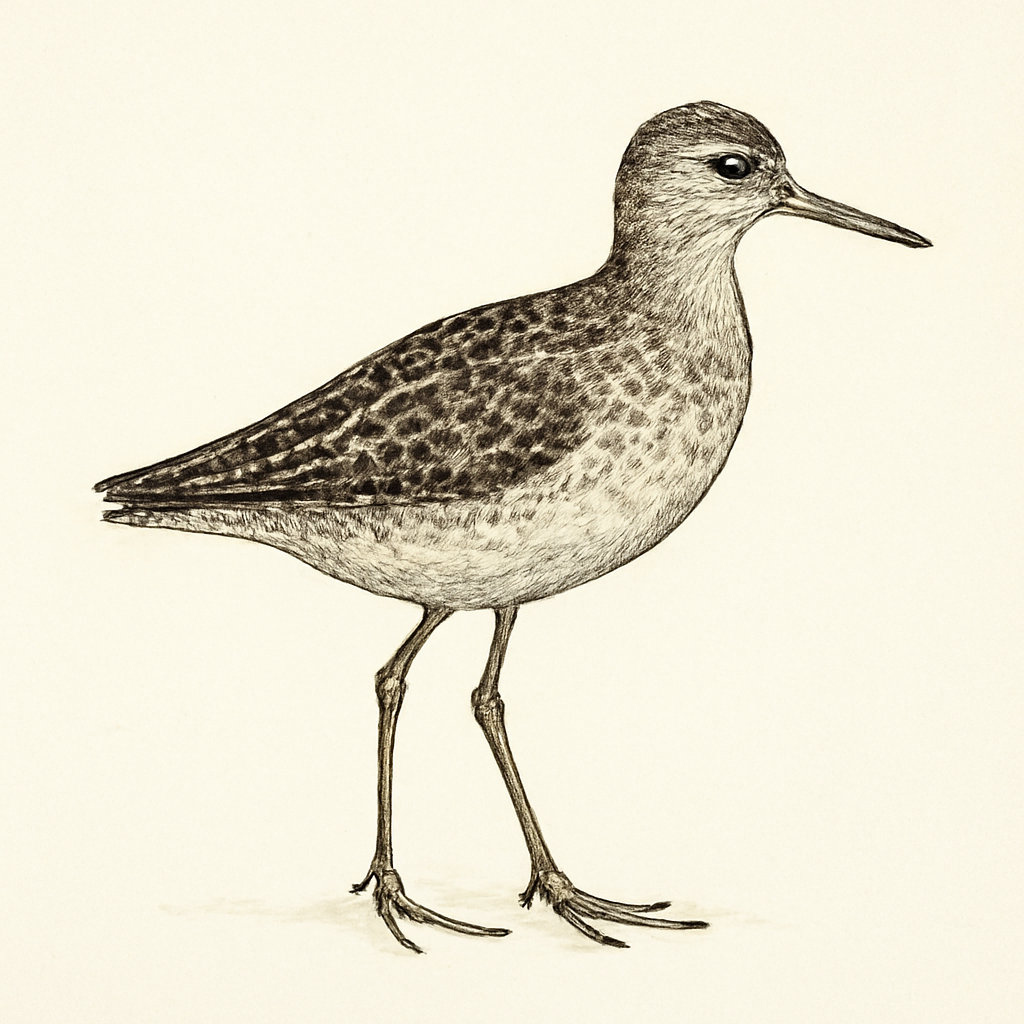
Piro piro boschereccio
Tringa glareola
Sandpipers and Allies (Scolopacidae) · Charadriiformes · Uccelli di riva
Fai un quiz con Piro piro boschereccio e specie simili
Vedi tutte le foto, i video e i suoni
Revisionato
O-o, i crediti IA sono finiti. Sviluppo Motmot nel tempo libero, e al momento non c’è finanziamento. Se vuoi aiutare a farlo crescere, scrivimi a info@motmot.club.
Come riconoscere Piro piro boschereccio
Sto scrivendo le note di identificazione…
Cerca note di identificazione in fonti aperte, poi chiede al modello di scriverle. Può richiedere un minuto.
Accedi per generare note di identificazione per questo uccello.
Spesso confuso con
Nei quiz i giocatori confondono più spesso Piro piro boschereccio con questi uccelli: o questa specie è stata scelta per errore, o il contrario.
| Specie | Confusioni |
|---|---|
| Piro piro culbianco Tringa ochropus | 321 |
| Pantana Tringa nebularia | 279 |
| Piro piro piccolo Actitis hypoleucos | 223 |
| Solitary Sandpiper Tringa solitaria | 164 |
| Totano zampegialle minore Tringa flavipes | 141 |
Famiglia
Scolopacidae is a large family of shorebirds, or waders, which mainly includes many species known as sandpipers, but also others such as woodcocks, curlews, and snipes. Most of these species eat small invertebrates picked out of the mud or soil. There is no evidence that different lengths of bills enable multiple species to feed in the same habitat, particularly on the coast, without direct competition for food.
Ordine
Charadriiformes (, from Charadrius, the type genus of family Charadriidae) is a diverse order of small to medium-large birds. It includes about 390 species and has members in all parts of the world. Most charadriiform birds live near water and eat invertebrates or other small animals; however, some are pelagic (seabirds), others frequent deserts, and a few are found in dense forest.