

White-breasted Guineafowl vs Eastern Crested Guineafowl
Agelastes meleagrides contro Guttera pucherani
Fai un quiz con White-breasted Guineafowl e Eastern Crested Guineafowl
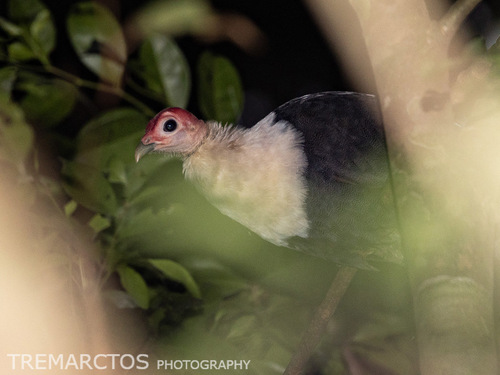 White-breasted Guineafowl
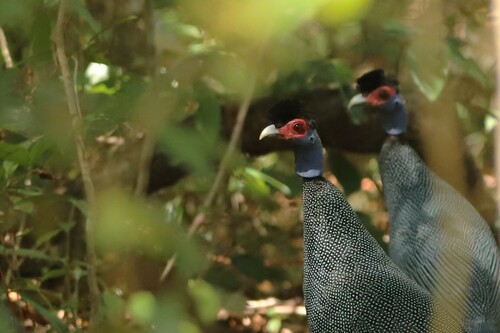 Eastern Crested Guineafowl
In breve
Il segno distintivo più affidabile per separare questi due è la presenza di una cresta nera distintiva sulla testa dell'Eastern Crested Guineafowl, che è completamente assente nel White-breasted Guineafowl. Inoltre, l'Eastern Crested Guineafowl mostra un piumaggio nero con macchie bianche dense, mentre il White-breasted Guineafowl è per lo più nero con un petto bianco a contrasto e privo di macchie. Entrambe le specie sono simili nella forma generale e nelle abitudini terrestri, ma il motivo della testa e del petto sono i modi più rapidi per distinguerle, anche a distanza. I motivi delle ali giovanili/immaturi non sono descritti come diagnostici per nessuna delle due specie nelle note disponibili.
Consigli di identificazione
- Presenza della cresta: L'Eastern Crested Guineafowl mostra sempre una prominente cresta nera di piume ricci sulla corona; il White-breasted Guineafowl ha una testa rossa e nuda senza cresta. Questo è il segno distintivo più veloce e affidabile a qualsiasi età o stagione.
- Colore del petto: Il White-breasted Guineafowl ha un petto bianco ben definito che contrasta con il resto del suo piumaggio nero. L'Eastern Crested Guineafowl non ha un petto bianco; le sue parti inferiori sono macchiate come il resto del corpo.
- Macchie sul corpo: L'Eastern Crested Guineafowl è densamente coperto di piccole macchie bianche su uno sfondo nerastro, visibili anche a distanza. Il White-breasted Guineafowl è semplicemente nero tranne che per il petto bianco—nessuna macchia sul corpo.
- Colore della testa: Il White-breasted Guineafowl ha una piccola testa rossa e nuda; la testa dell'Eastern Crested Guineafowl è per lo più nera con la cresta e può mostrare meno pelle nuda.
- Coda: Entrambe le specie hanno lunghe code nere, ma questo non è un forte separatore.
- Becco e piedi: Il White-breasted Guineafowl ha un becco marrone verdastro e piedi grigiastri, ma questi sono sottili e raramente diagnostici sul campo.
- Dimensioni: L'Eastern Crested Guineafowl è leggermente più grande e massiccio, ma la sovrapposizione delle dimensioni è considerevole e non affidabile per singoli uccelli.
- Sessi: Entrambe le specie sono sessualmente simili; la femmina del White-breasted Guineafowl è solo leggermente più piccola del maschio.
- Piumaggio giovanile/immaturo: Non sono descritti segni distintivi specifici per età per nessuna delle due specie, quindi non fare affidamento su motivi di ali o di volo immaturi per la separazione.
- Volo vs. posato: Entrambi sono terrestri e volano raramente, ma quando vengono disturbati, la cresta e il piumaggio macchiato dell'Eastern Crested Guineafowl rimangono visibili; il petto bianco del White-breasted Guineafowl può lampeggiare in volo.
- Habitat: Se si trovano in foreste aperte, boschi o mosaici di foresta-savanna dell'Africa orientale, è più probabile che si tratti di un Eastern Crested Guineafowl, ma l'habitat non è diagnostico da solo.
- Distribuzione: L'Eastern Crested Guineafowl è limitato all'Africa orientale (Somalia, Tanzania e isole vicine); il White-breasted Guineafowl non è descritto in dettaglio ma non è nativo di questa area.
- Trappole comuni: Non confondere il petto bianco (solo nel White-breasted) con le macchie bianche (solo nell'Eastern Crested). La presenza o l'assenza di una cresta è il controllo più veloce.
- Confusione della cresta: Fai attenzione che il termine "cresta" a volte è applicato erroneamente ad altre specie di galline faraone, ma solo l'Eastern Crested Guineafowl in questo gruppo ha la vera cresta nera.
- Contesto di gruppo: Entrambe le specie possono essere viste in piccoli gruppi, ma questo non aiuta nella separazione.
Taglia
L'Eastern Crested Guineafowl è leggermente più grande, con una lunghezza totale di circa 50 cm e un peso che varia tra 721 e 1.543 g [wikipedia], rispetto al White-breasted Guineafowl che arriva fino a 45 cm [wikipedia]. La differenza è sottile sul campo, ma il Crested è generalmente più massiccio e lungo. I sessi sono simili in entrambe, anche se le femmine del White-breasted Guineafowl sono un po' più piccole dei maschi.
Piumaggio
- Motivo delle ali giovanili/immaturi: Non sono descritte differenze specifiche per età nei motivi delle ali superiori o nei motivi di volo per nessuna delle due specie nelle fonti.
- Adulti: Il White-breasted Guineafowl è per lo più nero con un petto bianco sorprendente, una piccola testa rossa nuda e una lunga coda nera. L'Eastern Crested Guineafowl è nel complesso nerastro ma densamente coperto di piccole macchie bianche, e ha una prominente cresta nera di piume ricci sulla testa. Il petto non è bianco e si fonde con il resto del piumaggio macchiato. Il becco e i piedi sono rispettivamente marrone verdastro e grigiastri nel White-breasted Guineafowl, ma questi sono sottili sul campo. Entrambi i sessi sembrano simili in ciascuna specie.
Comportamento
Entrambe le specie sono terrestri e trascorrono la maggior parte del loro tempo a terra. Non sono evidenziate differenze comportamentali significative nelle note disponibili che possano aiutare con l'identificazione sul campo.
Habitat
Il White-breasted Guineafowl non è descritto in dettaglio per l'habitat nelle note, ma l'Eastern Crested Guineafowl si trova in Africa orientale, abitante di foreste aperte, boschi e mosaici di foresta-savanna [wikipedia]. Se visto in questi habitat dalla Somalia alla Tanzania e isole vicine, è più probabile che si tratti di un Eastern Crested. L'habitat da solo non è diagnostico dove le distribuzioni si sovrappongono o sono incerte.
White-breasted Guineafowl · Eastern Crested Guineafowl · I miei uccelli difficili