

Pintada Pechiblanca vs Pintada Moñuda Oriental (pucherani)
Agelastes meleagrides frente a Guttera pucherani
Juega un quiz con Pintada Pechiblanca y Pintada Moñuda Oriental (pucherani)
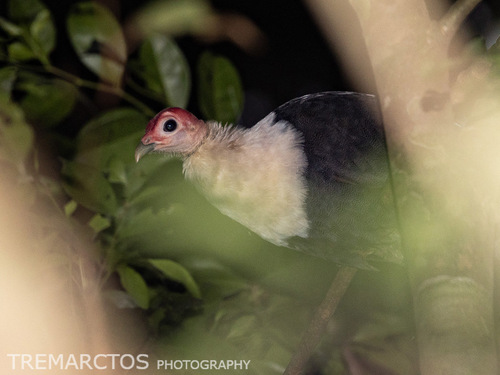 Pintada Pechiblanca
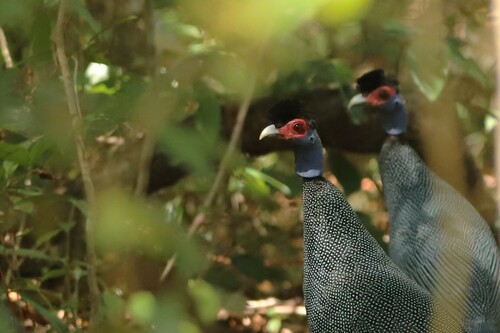 Pintada Moñuda Oriental (pucherani)
En breve
La marca de campo más confiable para separar estos dos es la presencia de una cresta negra distintiva en la cabeza de la Pintada Moñuda Oriental, que está completamente ausente en la Pintada Pechiblanca. Además, la Pintada Moñuda Oriental muestra un plumaje negro con manchas blancas densas, mientras que la Pintada Pechiblanca es mayormente negra con un pecho blanco contrastante y carece de manchas. Ambas especies son similares en forma general y hábitos terrestres, pero el patrón de la cabeza y el pecho son las formas más rápidas de distinguirlas, incluso a distancia. Los patrones de alas juveniles/inmaduros no se describen como diagnósticos para ninguna de las especies en las notas disponibles.
Consejos de identificación
- Presencia de cresta: La Pintada Moñuda Oriental siempre muestra una prominente cresta negra de plumas rizadas en la corona; la Pintada Pechiblanca tiene una cabeza roja y desnuda sin cresta. Esta es la marca de campo más rápida y confiable a cualquier edad o estación.
- Color del pecho: La Pintada Pechiblanca tiene un pecho blanco claramente definido que contrasta con el resto de su plumaje negro. La Pintada Moñuda Oriental carece de un pecho blanco; sus partes inferiores están manchadas como el resto del cuerpo.
- Manchado del cuerpo: La Pintada Moñuda Oriental está densamente cubierta de pequeñas manchas blancas sobre un fondo negruzco, visibles incluso a distancia. La Pintada Pechiblanca es completamente negra excepto por el pecho blanco—sin manchas en el cuerpo.
- Color de la cabeza: La Pintada Pechiblanca tiene una pequeña cabeza roja y desnuda; la cabeza de la Pintada Moñuda Oriental es mayormente negra con la cresta y puede mostrar menos piel desnuda.
- Cola: Ambas especies tienen colas largas y negras, pero esto no es un separador fuerte.
- Pico y pies: La Pintada Pechiblanca tiene un pico marrón verdoso y pies grisáceos, pero estos son sutiles y rara vez diagnósticos en el campo.
- Tamaño: La Pintada Moñuda Oriental es ligeramente más grande y robusta, pero la superposición de tamaños es considerable y no confiable para aves individuales.
- Sexos: Ambas especies son sexualmente similares; la hembra de la Pintada Pechiblanca es solo un poco más pequeña que el macho.
- Plumaje juvenil/inmaduro: No se describen marcas distintivas específicas de edad para ninguna de las especies, así que no confíes en patrones de alas o vuelo inmaduros para la separación.
- Vuelo vs. posado: Ambas son terrestres y rara vez vuelan, pero cuando son asustadas, la cresta y el plumaje manchado de la Pintada Moñuda Oriental permanecen visibles; el pecho blanco de la Pintada Pechiblanca puede destellar en vuelo.
- Hábitat: Si se encuentran en bosques abiertos, bosques o mosaicos de bosque-savana en África Oriental, es más probable que sea la Pintada Moñuda Oriental, pero el hábitat no es diagnóstico por sí solo.
- Distribución: La Pintada Moñuda Oriental está restringida a África Oriental (Somalia a Tanzania y islas cercanas); la Pintada Pechiblanca no se describe en detalle pero no es nativa de esta área.
- Errores comunes: No confundas el pecho blanco (solo en la Pintada Pechiblanca) con las manchas blancas (solo en la Pintada Moñuda Oriental). La presencia o ausencia de una cresta es la verificación más rápida.
- Confusión de cresta: Ten en cuenta que el término "moñuda" a veces se aplica incorrectamente a otras especies de pintadas, pero solo la Pintada Moñuda Oriental en este par tiene la verdadera cresta negra.
- Contexto grupal: Ambas especies pueden verse en pequeños grupos, pero esto no ayuda a la separación.
Tamaño
La Pintada Moñuda Oriental es ligeramente más grande, con una longitud total de aproximadamente 50 cm y un rango de peso de 721–1,543 g [wikipedia], en comparación con la Pintada Pechiblanca que alcanza hasta 45 cm [wikipedia]. La diferencia es sutil en el campo, pero la Moñuda es generalmente más robusta y larga. Los sexos son similares en ambas, aunque las hembras de la Pintada Pechiblanca son un poco más pequeñas que los machos.
Plumaje
- Patrón de alas juvenil/inmaduro: No se describen diferencias específicas de edad en el patrón de alas superiores o de vuelo para ninguna de las especies en las fuentes.
- Adultos: La Pintada Pechiblanca es mayormente negra con un pecho blanco llamativo, una pequeña cabeza roja y desnuda, y una larga cola negra. La Pintada Moñuda Oriental es negruzca en general pero está densamente cubierta de pequeñas manchas blancas, y tiene una prominente cresta negra de plumas rizadas en la cabeza. El pecho no es blanco y se mezcla con el resto del plumaje manchado. El pico y los pies son marrón verdoso y grisáceo, respectivamente, en la Pintada Pechiblanca, pero estos son sutiles en el campo. Ambos sexos se ven similares en cada especie.
Comportamiento
Ambas especies son terrestres y pasan la mayor parte de su tiempo en el suelo. No se destacan diferencias de comportamiento importantes en las notas disponibles que ayudarían con la identificación en el campo.
Hábitat
La Pintada Pechiblanca no se describe en detalle para el hábitat en las notas, pero la Pintada Moñuda Oriental se encuentra en África Oriental, habitando bosques abiertos, bosques y mosaicos de bosque-savana [wikipedia]. Si se ve en estos hábitats desde Somalia hasta Tanzania y islas cercanas, es más probable que sea la Moñuda. El hábitat por sí solo no es diagnóstico donde las distribuciones se superponen o son inciertas.
Pintada Pechiblanca · Pintada Moñuda Oriental (pucherani) · Mis aves difíciles