

Spotted Forktail vs Himalayan Rubythroat
Enicurus maculatus contro Calliope pectoralis
Fai un quiz con Spotted Forktail e Himalayan Rubythroat
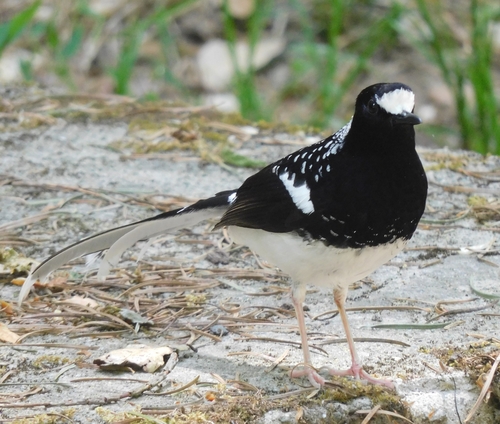 Spotted Forktail
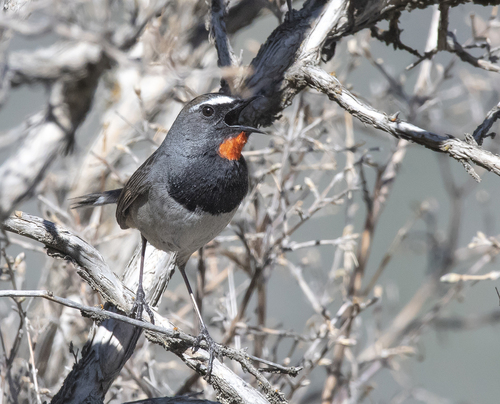 Himalayan Rubythroat
In breve
Il segno distintivo più affidabile per separare il Spotted Forktail dal Himalayan Rubythroat è il colpo d'occhio del Spotted Forktail, con il suo colpo nero colpito da macchie bianche e la sua coda nera e bianca profondamente forked, visibile in tutte le età e particolarmente evidente in volo. Il Himalayan Rubythroat non presenta alcuna macchia bianca sulla schiena e mostra invece una parte superiore marrone o grigia uniforme, con i maschi che sfoggiano una vivida macchia rossa sulla gola e una base/punte bianche della coda, ma senza macchie. I Forktails sono più grandi, con code più lunghe e sempre associati a corsi d'acqua, mentre i rubythroats sono più piccoli, eretti e più spesso trovati in cespugli o boschi aperti. Se vedi una schiena audacemente macchiata e una larga banda bianca sulle ali, hai un Spotted Forktail; se l'uccello è uniforme sopra con un forte schema facciale e, nei maschi, una gola rossa, è un Himalayan Rubythroat.
Consigli di identificazione
- Schema della schiena (tutte le età): Il Spotted Forktail ha sempre una schiena nera con audaci macchie bianche; il Himalayan Rubythroat non mostra mai alcuna macchia bianca sulla schiena.
- Forma e schema della coda: La coda del Spotted Forktail è molto lunga, profondamente forked e audacemente disegnata in bianco e nero; la coda del Himalayan Rubythroat è più corta, non forked, nerastra con base e punte bianche (non così audace o contrastante).
- Banda sulle ali: Il Spotted Forktail ha una larga banda bianca sulle ali visibile sia in posizione perpendicolare che in volo; il Himalayan Rubythroat non ha alcuna banda sulle ali, con ali marroni uniformi.
- Fronte bianca: Entrambe le specie possono mostrare una fronte bianca, ma nel Forktail è più ampia e separata dalla corona nera e dalla schiena macchiata; nel Rubythroat, specialmente nei maschi, è parte di un schema facciale più complesso con un supercilium e (in alcune sottospecie) una striscia submoustachiale.
- Gola e parti inferiori (maschi): Il maschio Himalayan Rubythroat ha una vivida macchia rossa sulla gola bordata di nero e grigio, con ventre bianco e lati neri sulla gola e sul petto; il Spotted Forktail non mostra mai alcun rosso o nero sulla gola o sul petto.
- Confusione femminile/immatura: La femmina Himalayan Rubythroat è di un grigio-marrone opaco sopra con un supercilium diffuso e gola biancastra, ma manca ancora di qualsiasi macchia bianca o banda sulle ali; la femmina/immatura Forktail mostra sempre una schiena macchiata e una banda bianca sulle ali.
- Contesto dell'habitat: Il Spotted Forktail non si trova quasi mai lontano da corsi d'acqua veloci; se vedi un uccello con una schiena macchiata in un ruscello forestale o in un burrone pieno di massi, è un Forktail. Il Himalayan Rubythroat si trova in boschi aperti, cespugli o macchie, raramente vicino all'acqua.
- Comportamento: Il Forktail è attivo, spesso muovendo la sua lunga coda e spostandosi lungo le rocce nei corsi d'acqua; il Rubythroat è più eretto, si posa in posizione aperta per cantare, o si nasconde in copertura densa.
- Dimensioni e struttura: Il Forktail è molto più grande e con una coda più lunga, con un corpo più allungato; il Rubythroat è più piccolo, compatto e di forma simile a un pettirosso.
- Vista in volo: In volo, il Forktail lampeggia una larga banda bianca sulle ali e una schiena macchiata; il Rubythroat mostra ali marroni uniformi e un schema della coda meno contrastante.
- Voce: Il richiamo del Forktail è un 'KREE' aspro e stridente, specialmente in volo; il canto del Rubythroat è più musicale e variabile, con richiami più morbidi.
- Differenze sessuali: Solo il maschio Rubythroat mostra una gola rossa; i sessi del Forktail sono simili.
- Movimento stagionale: Entrambe le specie possono scendere a quote più basse in inverno, ma la preferenza dell'habitat (ruscello vs. cespuglio) rimane un forte separatore.
- Trappole comuni: Non confondere la fronte bianca o il bianco nella coda del Rubythroat con le audaci macchie bianche e la banda del Forktail; controlla sempre le macchie sulla schiena e la forma della coda.
- Quando hai dubbi: Se vedi un uccello con una lunga coda profondamente forked e audaci macchie bianche sulla schiena, è un Spotted Forktail. Se l'uccello è uniforme sopra, con un forte schema facciale e (nei maschi) una gola rossa, è un Himalayan Rubythroat.
Taglia
Il Spotted Forktail è sostanzialmente più grande e più pesante (41 g vs. 23 g) e appare con un corpo più lungo con una coda profondamente forked e proporzionalmente molto più lunga. Il Himalayan Rubythroat è notevolmente più piccolo e più compatto, con una coda più corta e una postura più eretta, simile a un pettirosso. Questa differenza di dimensioni è solitamente ovvia quando visti fianco a fianco o con esperienza, ma può essere più difficile da giudicare a distanza o in isolamento.
Piumaggio
- Tutte le età, tutte le stagioni: Il Spotted Forktail mostra sempre una schiena nera con audaci macchie bianche e una larga banda bianca sulle ali, oltre a una coda nera e bianca profondamente forked. Questi segni sono presenti sia negli adulti che nei giovani e sono visibili sia in posizione perpendicolare che in volo. La fronte bianca è anche una caratteristica costante.
- Himalayan Rubythroat (maschio adulto): Nessuna macchia bianca sulla schiena. Le parti superiori sono di un marrone grigiastro o nerastra, con una fronte bianca e un supercilium, e una vivida macchia rossa sulla gola bordata di nero e grigio. La coda è nerastra con base e punte bianche, ma mai forked o macchiata. Le parti inferiori sono bianche con lati neri sulla gola e sul petto.
- Himalayan Rubythroat (femmina): Marrone grigiastro opaco sopra, senza macchie bianche o banda sulle ali, con un supercilium diffuso e parti inferiori fumose. La gola è biancastra, a volte con una breve striscia moustachiale. Lo schema della coda (base/punte bianche) è sottile e non così audace come quello della coda del forked.
- In volo: La banda bianca del Spotted Forktail e la schiena macchiata sono visibili dall'alto, mentre il Himalayan Rubythroat mostra ali e parti superiori marroni uniformi con solo un sottile bianco nella coda.
Comportamento
Il Spotted Forktail è quasi sempre visto lungo corsi d'acqua veloci, spesso saltellando su rocce o foraggiando al bordo dell'acqua, ed è frequentemente visto in volo sopra l'acqua, lampeggiando la sua coda bianca e la banda. I suoi movimenti sono attivi e spesso muove la sua coda. Il Himalayan Rubythroat è timido, di solito trovato singolarmente o in coppie in boschi cespugliosi o aperti, spesso posandosi eretto su arbusti bassi o cantando da posatoi esposti. È meno probabile che venga visto vicino all'acqua e più probabile che si nasconda in copertura densa, specialmente le femmine e gli uccelli non in riproduzione.
Habitat
Il Spotted Forktail è strettamente legato a corsi d'acqua montani pieni di massi, burroni boscosi e canali stradali in foreste collinari o montane, tipicamente a 1200–3600 m durante la stagione di riproduzione e scendendo a circa 600 m in inverno. È raramente trovato lontano da corsi d'acqua. Il Himalayan Rubythroat preferisce boschi aperti, cespugli e macchie, spesso ad altitudini elevate in estate ma scendendo a quote più basse in inverno. Non è associato a corsi d'acqua ed è più probabile trovarlo in habitat asciutti o cespugliosi, a volte in aree aperte ma raramente vicino a corsi d'acqua veloci.
Voce
Il Spotted Forktail emette un 'KREE' acuto e stridente, specialmente in volo, e alcuni suoni squittanti quando è posato. Il canto del Himalayan Rubythroat è una serie di suoni squittanti e variabili emessi da un posatoio esposto; le femmine emettono un breve suono ruvido seguito da un fischio con inflection verso l'alto, e il richiamo di allerta è un 'skyap' acuto. Il richiamo del Forktail è più aspro e penetrante, mentre le vocalizzazioni del Rubythroat sono più morbide e più varie.
Spotted Forktail · Himalayan Rubythroat · I miei uccelli difficili