

Pigeon Guillemot vs Uria
Cepphus columba contro Uria aalge
Fai un quiz con Pigeon Guillemot e Uria
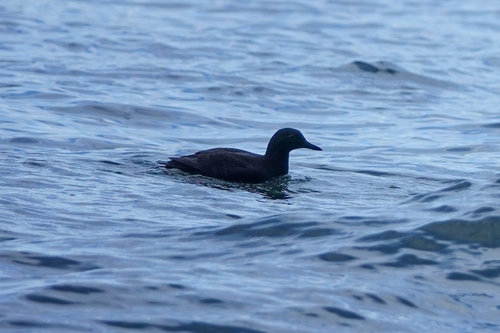 Pigeon Guillemot
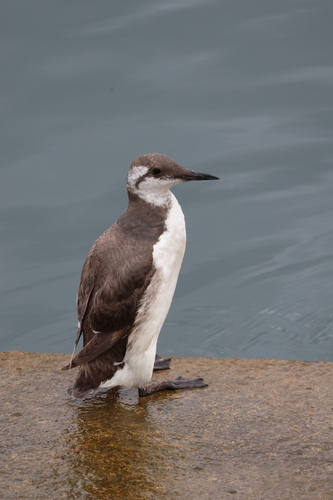 Uria
In breve
Il segno di campo più affidabile tra Pigeon Guillemot e Uria è il motivo delle ali: Pigeon Guillemot (di tutte le età) mostra una vivace macchia bianca sulle ali interrotta da un cuneo scuro, mentre Uria ha ali completamente scure senza macchia bianca. In volo, questo contrasto è inconfondibile. Sull'acqua o in posizione eretta, Pigeon Guillemot è più piccolo, più robusto e si siede più dritto, con gambe e piedi di un rosso brillante, mentre Uria è più grande, più snella e ha gambe scure. Le differenze di piumaggio stagionale possono causare confusione, ma il motivo delle ali e il colore delle gambe rimangono indizi forti tutto l'anno. I giovani e gli immaturi sono meglio separati dal motivo delle ali e dalla struttura generale.
Consigli di identificazione
- Macchia bianca sulle ali (tutte le età): Pigeon Guillemot mostra sempre una macchia bianca sulle ali, interrotta da un cuneo scuro, visibile in volo e spesso a riposo. Le ali di Uria sono completamente scure, senza macchia bianca a qualsiasi età o stagione.
- Contrasto giovanile/immaturo: Anche i giovani Pigeon Guillemot hanno una macchia bianca sulle ali ridotta ma ancora visibile; i giovani di Uria non hanno alcun bianco nelle ali.
- Colore delle gambe: Pigeon Guillemot ha gambe e piedi di un rosso brillante (grigio-marrone nei giovani), evidenti quando è posato o nuota. Le gambe di Uria sono grigio scuro.
- Struttura del becco: Pigeon Guillemot ha un becco lungo, sottile e nero; il becco di Uria è anch'esso sottile e appuntito ma proporzionalmente più lungo rispetto alla dimensione della testa, e sempre scuro.
- Forma del corpo e postura: Pigeon Guillemot è compatto e si siede dritto, spesso sui suoi tarso. Uria è più grande, più allungato e si siede più in basso rispetto al suolo o all'acqua.
- Piumaggio da riproduzione: Pigeon Guillemot è marrone scuro con una lucentezza nera, mentre Uria è nera (o marrone scuro in alcune popolazioni meridionali) sopra e bianca sotto, con un netto confine di colore.
- Piumaggio non riproduttivo: Pigeon Guillemot diventa maculato sopra ma mantiene la macchia bianca sulle ali; il volto di Uria diventa bianco con un spur scuro dietro l'occhio, ma le ali rimangono scure.
- Motivo della testa: In non riproduzione, Uria può mostrare un volto bianco con una linea scura dietro l'occhio (la forma 'bridled'), ma mai un anello oculare bianco. Pigeon Guillemot ha un sottile anello oculare bianco ininterrotto in tutti i piumaggi.
- Stile di volo: Pigeon Guillemot ha ali più corte e rotonde e un battito d'ali rapido, riflettendo la sua specializzazione nel tuffo. Le ali di Uria sono più lunghe e più appuntite, e appare meno agile in volo.
- Contesto dell'habitat: Pigeon Guillemot è solitamente visto vicino a coste rocciose, singolarmente o in coppie. Uria è più probabile che si trovi in grandi gruppi, specialmente al largo o in colonie su scogliere.
- Dimensioni nel contesto: Se visti insieme, Uria è molto più grande e pesante, ma fare attenzione agli effetti della distanza quando è solo.
- Colore dei piedi in volo: I piedi rossi di Pigeon Guillemot possono essere visibili che seguono in volo, un buon indizio a distanza ravvicinata.
- Vocalizzazioni: Se udito, il richiamo ringhioso di Uria è distintivo nelle colonie, ma la voce è raramente utile in mare.
- Tempistica stagionale: Entrambe le specie cambiano piumaggio stagionalmente, ma il motivo delle ali e il colore delle gambe rimangono affidabili durante tutto l'anno.
- Trappole comuni: Attenzione agli uccelli distanti o in silhouette dove dimensioni e colore sono difficili da giudicare—fare affidamento sul motivo delle ali e sul colore delle gambe ogni volta che è possibile.
Taglia
Pigeon Guillemot è nettamente più piccolo e leggero: 30–37 cm di lunghezza e 450–550 g di peso [wikipedia]. Uria è più grande e pesante: 38–46 cm di lunghezza, con un peso di 775–1250 g, spesso il doppio della massa di Pigeon Guillemot [wikipedia]. Questo divario di dimensioni è visibile quando visti insieme, ma può essere sottile a distanza o da soli. Pigeon Guillemot appare anche più compatto e con collo corto, mentre Uria ha un corpo più lungo e più allungato.
Piumaggio
- Giovanile/Primo inverno: I giovani Pigeon Guillemot somigliano agli adulti in inverno ma hanno parti inferiori con punte marroni (dando un aspetto a strisce), più marrone sulle parti superiori e una macchia bianca sulle ali più piccola. La loro macchia sulle ali, sebbene ridotta, è ancora presente e diagnostica. I giovani di Uria sembrano adulti in inverno, senza alcuna macchia bianca sulle ali; le loro ali sono uniformemente scure.
- Adulto in riproduzione: Pigeon Guillemot è marrone scuro con una lucentezza nera e una prominente macchia bianca sulle ali interrotta da un cuneo scuro. Uria è nera (o marrone scuro negli uccelli meridionali) sopra e bianca sotto, con ali completamente scure e senza macchia bianca. Entrambi hanno teste scure, ma quella di Uria è più nettamente delimitata dalle parti inferiori bianche.
- Adulto non in riproduzione: Pigeon Guillemot sviluppa parti superiori maculate di grigio e nero e parti inferiori bianche, ma la macchia bianca sulle ali rimane. Il volto di Uria diventa bianco con una linea scura dietro l'occhio, ma le ali rimangono uniformemente scure. Le gambe e i piedi di Pigeon Guillemot sono sempre rossi (grigio-marrone nei giovani), mentre quelli di Uria sono grigio scuro.
Comportamento
Pigeon Guillemot spesso si siede dritto su rocce o sull'acqua, a volte riposando sui suoi tarso, e cammina bene sulla terra. È un forte nuotatore e tuffatore, utilizzando sia le ali che i piedi per la propulsione. Decolla con difficoltà in condizioni calme ma è veloce in volo una volta in aria. Uria è meno eretta, più allungata nella postura e tipicamente nidifica in colonie dense su scogliere. Trascorre più tempo in mare ed è meno probabile vederlo camminare o stare dritto sulla terra. Entrambe le specie tuffano per cibo, ma Pigeon Guillemot è più frequentemente visto vicino alla costa e in gruppi più piccoli.
Habitat
Pigeon Guillemot si trova principalmente lungo coste rocciose, isole e acque costiere del Nord Pacifico. È spesso visto singolarmente o in coppie, vicino alla costa, e nidifica in crepe o sotto le rocce. Uria nidifica in grandi colonie dense su scogliere marine ripide sia nell'Atlantico settentrionale che nel Pacifico settentrionale, e trascorre la maggior parte della sua vita lontano dalla costa. Lontano dalle colonie, Uria è solitamente visto in grandi zattere in mare aperto, raramente vicino alla costa tranne durante la riproduzione.
Voce
Uria è altamente vocale nelle colonie, con un forte ringhio "murrrr" e i pulcini che emettono un fischio acuto. La voce di Pigeon Guillemot non è descritta nelle note fornite, quindi non è un separatore affidabile qui.