

Arao Colombino vs Arao Común
Cepphus columba frente a Uria aalge
Juega un quiz con Arao Colombino y Arao Común
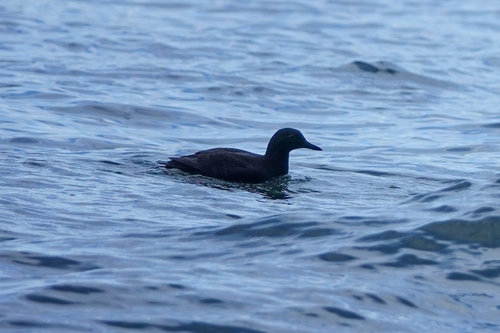 Arao Colombino
 Arao Común
En breve
La marca de campo más confiable entre el Arao Colombino y el Arao Común es el patrón de las alas: el Arao Colombino (de todas las edades) muestra una audaz mancha blanca en el ala interrumpida por una cuña oscura, mientras que el Arao Común tiene alas completamente oscuras sin mancha blanca. En vuelo, este contraste es inconfundible. En el agua o posado, el Arao Colombino es más pequeño, robusto y se sienta más erguido, con patas y pies de un brillante color rojo, mientras que el Arao Común es más grande, más esbelto y tiene patas oscuras. Las diferencias estacionales en el plumaje pueden causar confusión, pero el patrón de las alas y el color de las patas siguen siendo pistas fuertes durante todo el año. Los juveniles y los inmaduros se separan mejor por el patrón de las alas y la estructura general.
Consejos de identificación
- Mancha blanca en el ala (todas las edades): El Arao Colombino siempre muestra una mancha blanca en el ala, interrumpida por una cuña oscura, visible en vuelo y a menudo en reposo. Las alas del Arao Común son completamente oscuras, sin mancha blanca a ninguna edad o estación.
- Contraste juvenil/inmaduro: Incluso los juveniles de Arao Colombino tienen una mancha blanca en el ala reducida pero aún visible; los juveniles de Arao Común carecen de cualquier blanco en el ala.
- Color de las patas: El Arao Colombino tiene patas y pies de un brillante color rojo (gris-marrón en juveniles), obvios cuando está posado o nadando. Las patas del Arao Común son de color gris oscuro.
- Estructura del pico: El Arao Colombino tiene un pico largo, delgado y negro; el pico del Arao Común también es delgado y puntiagudo pero proporcionalmente más largo en relación con el tamaño de la cabeza, y siempre oscuro.
- Forma del cuerpo y postura: El Arao Colombino es compacto y se sienta erguido, a menudo sobre sus tarsos. El Arao Común es más grande, más alargado y se sienta más bajo en el suelo o el agua.
- Plumaje de cría: El Arao Colombino es de color marrón oscuro con un brillo negro, mientras que el Arao Común es negro (o marrón oscuro en algunas poblaciones del sur) por encima y blanco por debajo, con un límite de color nítido.
- Plumaje no reproductor: El Arao Colombino se vuelve moteado por encima pero mantiene la mancha blanca en el ala; la cara del Arao Común se vuelve blanca con un espolón ocular oscuro, pero las alas permanecen oscuras.
- Patrón de la cabeza: En no reproducción, el Arao Común puede mostrar una cara blanca con una línea oscura detrás del ojo (la morfología 'bridled'), pero nunca un anillo ocular blanco. El Arao Colombino tiene un delgado y continuo anillo ocular blanco en todos los plumajes.
- Estilo de vuelo: El Arao Colombino tiene alas más cortas y redondeadas y un batir de alas rápido, reflejando su especialización para el buceo. Las alas del Arao Común son más largas y puntiagudas, y parece menos ágil en vuelo.
- Contexto del hábitat: El Arao Colombino se ve generalmente cerca de costas rocosas, solo o en parejas. El Arao Común es más probable que se encuentre en grandes grupos, especialmente en alta mar o en colonias en acantilados.
- Tamaño en contexto: Si se ven juntos, el Arao Común es mucho más grande y pesado, pero cuidado con los efectos de distancia cuando está solo.
- Color de los pies en vuelo: Los pies rojos del Arao Colombino pueden ser visibles detrás en vuelo, una buena pista a corta distancia.
- Vocalizaciones: Si se escucha, los llamados gruñidos del Arao Común son distintivos en las colonias, pero la voz rara vez es útil en el mar.
- Temporización estacional: Ambas especies cambian de plumaje estacionalmente, pero el patrón de las alas y el color de las patas permanecen confiables durante todo el año.
- Trampas comunes: Cuidado con aves distantes o en silueta donde el tamaño y el color son difíciles de juzgar; confíe en el patrón de las alas y el color de las patas siempre que sea posible.
Tamaño
El Arao Colombino es claramente más pequeño y ligero: 30–37 cm de longitud y 450–550 g de peso [wikipedia]. El Arao Común es más grande y pesado: 38–46 cm de largo, pesando 775–1250 g, a menudo el doble de la masa del Arao Colombino [wikipedia]. Esta diferencia de tamaño es visible cuando se ven juntos, pero puede ser sutil a distancia o solo. El Arao Colombino también parece más compacto y de cuello corto, mientras que el Arao Común es de cuerpo más largo y más alargado.
Plumaje
- Juvenil/Primer invierno: Los juveniles de Arao Colombino se asemejan a los adultos invernales pero tienen partes inferiores con puntas marrones (dando un aspecto de rayas), más marrón en las partes superiores y una mancha blanca en el ala más pequeña. Su mancha en el ala, aunque reducida, sigue presente y es diagnóstica. Los juveniles de Arao Común se parecen a los adultos invernales, sin mancha blanca en el ala en absoluto; sus alas son uniformemente oscuras.
- Adulto en cría: El Arao Colombino es marrón oscuro con un brillo negro y una prominente mancha blanca en el ala interrumpida por una cuña oscura. El Arao Común es negro (o marrón oscuro en aves del sur) por encima y blanco por debajo, con alas completamente oscuras y sin mancha blanca. Ambos tienen cabezas oscuras, pero la del Arao Común está más claramente demarcada de las partes inferiores blancas.
- Adulto no reproductor: El Arao Colombino desarrolla partes superiores moteadas de gris y negro y partes inferiores blancas, pero la mancha blanca en el ala permanece. La cara del Arao Común se vuelve blanca con una línea oscura detrás del ojo, pero las alas permanecen uniformemente oscuras. Las patas y pies del Arao Colombino son siempre rojos (gris-marrón en juveniles), mientras que los del Arao Común son de color gris oscuro.
Comportamiento
El Arao Colombino a menudo se sienta erguido en rocas o en el agua, a veces descansando sobre sus tarsos, y camina bien en tierra. Es un fuerte nadador y buceador, utilizando tanto alas como pies para la propulsión. Despega con dificultad en condiciones calmadas, pero es rápido en vuelo una vez en el aire. El Arao Común es menos erguido, más alargado en postura, y típicamente cría en densas colonias en acantilados. Pasa más tiempo en el mar y es menos probable que se vea caminando o de pie erguido en tierra. Ambas especies bucean en busca de alimento, pero el Arao Colombino se ve más frecuentemente cerca de la costa y en grupos más pequeños.
Hábitat
El Arao Colombino se encuentra principalmente a lo largo de costas rocosas, islas y aguas costeras del Pacífico Norte. A menudo se ve solo o en parejas, cerca de la costa, y anida en grietas o debajo de rocas. El Arao Común cría en grandes y densas colonias en acantilados marinos empinados tanto en el Atlántico Norte como en el Pacífico Norte, y pasa la mayor parte de su vida en alta mar. Lejos de las colonias, el Arao Común se ve generalmente en grandes balsas en el mar abierto, rara vez cerca de la costa excepto durante la cría.
Voz
El Arao Común es muy vocal en las colonias, con un fuerte gruñido "murrrr" y los polluelos emitiendo un silbido agudo. La voz del Arao Colombino no se describe en las notas proporcionadas, por lo que no es un separador confiable aquí.