

Ornate Sunbird vs Black-throated Sunbird
Cinnyris ornatus contro Aethopyga saturata
Fai un quiz con Ornate Sunbird e Black-throated Sunbird
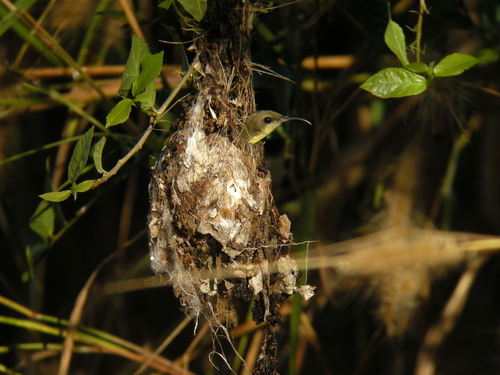 Ornate Sunbird
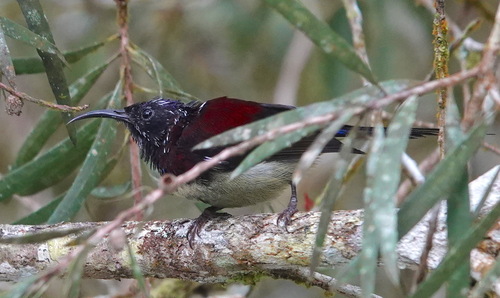 Black-throated Sunbird
In breve
Il segno di campo più affidabile per separare l'Ornate Sunbird dal Black-throated Sunbird è la gola e il petto del maschio: i maschi di Ornate Sunbird mostrano una gola e un petto blu-neri iridescenti con parti inferiori gialle, mentre i maschi di Black-throated Sunbird hanno una gola nera distintiva ma mancano di un ventre giallo brillante. Le femmine sono più difficili da distinguere, ma le femmine di Ornate Sunbird hanno un supercilium giallo e parti superiori verde-oliva, mentre le femmine di Black-throated Sunbird sono generalmente più scure e mancano di un forte sopracciglio giallo. Dimensioni e struttura non sono fortemente diagnostiche sul campo, ma il Black-throated Sunbird è leggermente più leggero. Entrambe le specie si sovrappongono nel sud-est asiatico, quindi prestare attenzione al piumaggio è essenziale, specialmente in stormi misti o habitat di margine forestale.
Consigli di identificazione
- Colore della gola e del petto del maschio: Il maschio di Ornate Sunbird ha una gola e un petto blu-neri iridescenti, mentre il maschio di Black-throated Sunbird ha una gola nera semplice senza la lucentezza blu-nera iridescente. Questo è il segno di campo più affidabile per i maschi adulti.
- Parti inferiori del maschio: I maschi di Ornate Sunbird hanno parti inferiori gialle brillanti, in netto contrasto con la gola scura. I maschi di Black-throated Sunbird sono generalmente più scuri sotto e mancano di un forte ventre giallo.
- Lucentezza della fronte del maschio: I maschi di Ornate Sunbird possono mostrare una lucentezza viola-nera sulla fronte, che è assente nel Black-throated Sunbird.
- Punta della coda: I maschi di Ornate Sunbird hanno una coda nera con una punta bianca, che può essere visibile in buone viste. Il Black-throated Sunbird manca di questa forte punta bianca.
- Supercilium femminile: La femmina di Ornate Sunbird ha un supercilium giallo (sopracciglio), che manca nelle femmine di Black-throated Sunbird. Questo è un segno chiave per separare femmine e immaturi.
- Parti superiori femminili: Le femmine di Ornate Sunbird sono verde-olive sopra, mentre le femmine di Black-throated Sunbird sono generalmente più scure e meno olive.
- Parti inferiori femminili: Le femmine di Ornate Sunbird hanno parti inferiori gialle, mentre le femmine di Black-throated Sunbird sono più opache e meno gialle.
- Schema alare: Non sono descritti segni distintivi per il pattern dell'ala superiore o del volo per nessuna delle due specie, quindi non fare affidamento su pannelli alari o bordi posteriori.
- Dimensioni: L'Ornate Sunbird è leggermente più pesante, ma questo non è un segno di campo affidabile sul campo.
- Habitat: Nelle aree in cui entrambe si trovano, il Black-throated Sunbird può essere più comune in altitudini più elevate o in foreste più dense, mentre l'Ornate Sunbird è più diffuso in habitat di pianura e di margine. Tuttavia, c'è una considerevole sovrapposizione.
- Distribuzione geografica: Se ti trovi nel subcontinente indiano (India, Nepal, Bhutan, Bangladesh), stai quasi certamente vedendo il Black-throated Sunbird. In Giava, Borneo o nelle Piccole Isole della Sonda, si trova solo l'Ornate Sunbird.
- Comportamento: Entrambe le specie si comportano in modo simile, quindi non fare affidamento sullo stile di alimentazione o di volo per la separazione.
- Dimorfismo sessuale: Entrambe le specie sono dimorfiche sessualmente, quindi considera sempre il sesso quando identifichi. I maschi sono più facili da separare rispetto alle femmine.
- Trappole: Le femmine e gli immaturi sono i più probabili da confondere. Concentrati sulla presenza o assenza del supercilium giallo e sul tono delle parti inferiori.
- Stormi misti: Negli stormi di specie miste, controlla attentamente ogni sunbird, poiché entrambe possono trovarsi insieme in alcune regioni.
Taglia
L'Ornate Sunbird è leggermente più pesante (maschio 6.7–11.9 g, femmina 6–10 g) rispetto al Black-throated Sunbird (circa 5.3 g) [wikipedia][wikidata]. Tuttavia, questa differenza è sottile e non facilmente giudicabile sul campo. Entrambi sono sunbirds piccoli e attivi, e la dimensione da sola non è un separatore affidabile a meno che non siano visti fianco a fianco.
Piumaggio
- Maschi adulti: I maschi di Ornate Sunbird mostrano parti superiori olive, remiganti nere con bordi verdi, una coda nera con una punta bianca e una gola e un petto blu-neri iridescenti. Le parti inferiori sono gialle brillanti. La fronte ha una lucentezza viola-nera. Al contrario, i maschi di Black-throated Sunbird hanno una gola nera (come suggerisce il nome), ma mancano del ventre giallo brillante e del petto blu-neri iridescenti di Ornate. Le loro parti superiori e inferiori sono generalmente più scure e meno contrastanti.
- Femmine adulte: Le femmine di Ornate Sunbird sono verde-olive sopra, con un supercilium giallo e parti inferiori gialle. Le femmine di Black-throated Sunbird sono generalmente più scure, mancano del supercilium giallo e hanno meno giallo sotto.
- Piumaggio immaturo/giovanile: Non è descritto alcun specifico pattern alare giovanile o di primo inverno per nessuna delle due specie nelle fonti. Pertanto, la separazione si basa sulla colorazione generale e sul supercilium nelle femmine e negli immaturi.
- Pattern alare in volo: Non sono descritti segni distintivi per il pattern dell'ala superiore o del volo per nessuna delle due specie, quindi questo non è un segno di campo utile.
- Coda: I maschi di Ornate Sunbird hanno una coda nera con una punta bianca; questa può essere visibile in buone viste ed è meno pronunciata nel Black-throated Sunbird.
Comportamento
Entrambe le specie sono sunbirds attivi che si nutrono di nettare, spesso viste svolazzare tra i fiori. Non sono notate forti differenze comportamentali nelle fonti. Entrambe possono essere trovate singolarmente, in coppie o in stormi di specie miste, specialmente ai margini delle foreste o nei giardini.
Habitat
L'Ornate Sunbird è endemico del sud-est asiatico continentale, Sumatra, Giava, Borneo e delle Piccole Isole della Sonda, ed è spesso trovato in una gamma di habitat che vanno dalle foreste di pianura ai giardini [wikipedia]. Il Black-throated Sunbird ha un'area di distribuzione più ampia, che include il subcontinente indiano e gran parte del sud-est asiatico, ed è trovato sia in foreste umide di pianura che montane. Nelle aree di sovrapposizione (ad es., Thailandia, Malesia), entrambe le specie possono essere presenti, ma il Black-throated Sunbird è più probabile che si trovi a altitudini più elevate o in foreste più dense.
Ornate Sunbird · Black-throated Sunbird · I miei uccelli difficili