

Malayan Night Heron vs Javan Pond-Heron
Gorsachius melanolophus contro Ardeola speciosa
Fai un quiz con Malayan Night Heron e Javan Pond-Heron
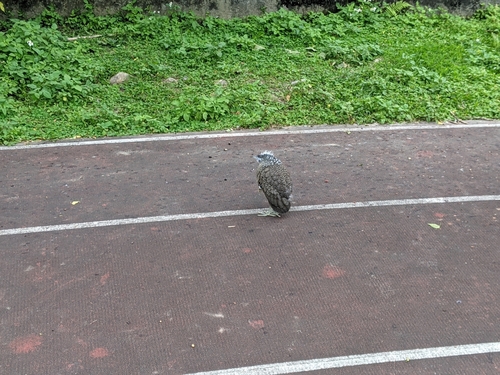 Malayan Night Heron
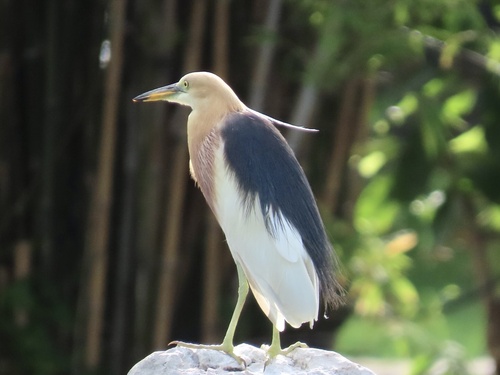 Javan Pond-Heron
In breve
Il segno di campo più affidabile per separare il Malayan Night Heron dal Javan Pond-Heron è la colorazione delle ali e del corpo, specialmente negli uccelli non in riproduzione e immaturi. I giovani Malayan Night Heron sono grigiastro-rossicci con pesanti macchie e vermicolazioni, mentre il Javan Pond-Heron in piumaggio non riproduttivo o immaturo è marrone e macchiato di bianco, somigliando molto ad altri aironi di palude. Negli adulti, il Malayan Night Heron mostra un collo e un petto rossicci con striature, parti superiori castanee e una corona nera, mentre il Javan Pond-Heron in piumaggio di riproduzione è arancione, ardesia e bianco con ali bianche straordinariamente bianche. Le differenze strutturali sono sottili, ma il Malayan Night Heron è più robusto con un becco più corto. L'habitat e il comportamento possono aiutare: il Malayan Night Heron è solitamente solitario e terrestre, spesso in parchi boschivi o urbani, mentre il Javan Pond-Heron è più probabile trovarlo in zone umide aperte.
Consigli di identificazione
- Juvenile/immature plumage: I giovani Malayan Night Heron sono pesantemente macchiati e vermiculati, con un tono grigiastro-rossiccio; i giovani Javan Pond-Heron sono marroni e macchiati di bianco, privi di forti macchie. Questo è il segno più affidabile per gli immaturi, specialmente in volo o a distanza.
- Adult breeding plumage: Il Malayan Night Heron mostra un collo e un petto rossicci con striature scure, parti superiori castanee e vermiculati, corona nera e piume di volo nerastre. Il Javan Pond-Heron in piumaggio di riproduzione è arancione, ardesia e bianco con ali bianche brillanti—le ali sono particolarmente diagnostiche in volo.
- Adult non-breeding plumage: Il Malayan Night Heron mantiene il suo aspetto rossiccio e striato, mentre il Javan Pond-Heron diventa marrone e macchiato di bianco, somigliando ad altri aironi di palude e mancando dell'aspetto rossiccio/vermicolato.
- Flight views: Il Malayan Night Heron mostra piume di volo nerastre e un profilo robusto e con collo corto. Il Javan Pond-Heron mostra ali bianche in piumaggio di riproduzione e una forma più tipica di airone di palude.
- Bill color: Il Malayan Night Heron ha un becco nero; il Javan Pond-Heron ha un becco giallo con una punta nera (soprattutto evidente in piumaggio di riproduzione).
- Leg color: Il Malayan Night Heron ha zampe verdastre; il Javan Pond-Heron ha zampe gialle.
- Crown and face: Il Malayan Night Heron ha una corona nera e un mento bianco; il Javan Pond-Heron non ha una corona nera.
- Eye color: Entrambi hanno occhi gialli, quindi questo non è utile per la separazione.
- Structure: Il Malayan Night Heron è più robusto e con becco più corto; il Javan Pond-Heron è più snello e con becco più lungo, ma questo è sottile e meglio utilizzato in combinazione con il piumaggio.
- Behavior: Il Malayan Night Heron è solitamente solitario e terrestre, spesso lontano dall'acqua; il Javan Pond-Heron è più probabile vederlo in gruppi e in zone umide.
- Habitat: Il Malayan Night Heron in parchi boschivi, giardini o aree urbane; il Javan Pond-Heron in zone umide aperte, risaie o paludi.
- Voice: Se senti un profondo 'oo' o un rauco gracidare, sospetta il Malayan Night Heron. Il Javan Pond-Heron è solitamente silenzioso.
- Season: Il Javan Pond-Heron è migratorio e mostra i suoi colori più brillanti nella stagione di riproduzione (giugno-settembre); il Malayan Night Heron non ha un cambiamento stagionale così drammatico.
- Sexual differences: I maschi del Malayan Night Heron possono mostrare lore blu più scuri e una cresta più lunga durante la riproduzione, ma questo è sottile e raramente utile sul campo.
- Pitfalls: Il Javan Pond-Heron non in riproduzione è estremamente simile ad altri aironi di palude e può essere confuso con essi, ma non mostra mai il forte motivo rossiccio, striato e vermicolato del Malayan Night Heron a qualsiasi età.
Taglia
Malayan Night Heron is slightly larger and heavier (body mass ~415g, length 48 cm, wingspan 86 cm) than Javan Pond-Heron (length ~45 cm; mass not specified but generally lighter than Malayan Night Heron). Malayan Night Heron is also stockier with a shorter beak, while Javan Pond-Heron is more slender and typical of pond herons. However, size alone is not a reliable field mark unless both species are seen side by side.
Piumaggio
-
Juvenile/immature birds: Malayan Night Heron juveniles are greyish to rufous, heavily spotted and vermiculated overall, with a distinctive streaked rufous neck and breast. Javan Pond-Heron juveniles and non-breeding birds are brown and flecked with white, lacking the heavy spotting and vermiculation of Malayan Night Heron, and are virtually indistinguishable from other pond herons (Chinese, Indian) in this plumage.
-
Adult breeding plumage: Malayan Night Heron adults have a rufous neck and breast with dark streaks, chestnut and vermiculated upperparts, blackish flight feathers, a black crown, white chin, and yellow eyes. Javan Pond-Heron adults in breeding plumage have orange, slaty, and white body coloration with bright white wings, a yellow bill with a black tip, yellow eyes, and yellow legs.
-
Adult non-breeding plumage: Malayan Night Heron remains rufous and streaked, while Javan Pond-Heron becomes brown and flecked with white, closely resembling other pond herons and lacking the strong rufous and vermiculated pattern of Malayan Night Heron.
-
Flight feathers: Malayan Night Heron has blackish flight feathers, while Javan Pond-Heron has white wings (especially obvious in flight in breeding plumage).
Comportamento
Il Malayan Night Heron è solitario, spesso cerca cibo da solo in aree aperte, parchi o ambienti boschivi, ed è più terrestre, a volte visto nutrirsi di lombrichi e rane in contesti urbani. Si riposa sugli alberi ma è raramente visto in gruppi. Il Javan Pond-Heron è più tipico degli aironi di palude, spesso trovato in zone umide poco profonde, a volte in gruppi sciolti, ed è più probabile vederlo guadare in acqua per insetti, pesci e granchi. Il Malayan Night Heron è meno probabile vederlo in habitat aperti e umidi frequentati dal Javan Pond-Heron.
Habitat
Il Malayan Night Heron preferisce aree boschive, parchi urbani e a volte si nutre in aree erbose aperte, spesso lontano dall'acqua aperta. È solitamente solitario e può essere trovato a nidificare vicino a edifici in aree urbane. Il Javan Pond-Heron è fortemente associato a zone umide fresche e salate poco profonde, risaie e paludi, ed è raramente trovato lontano dall'acqua. L'habitat è un indizio utile: un airone in un parco boschivo o lontano dall'acqua è più probabile sia un Malayan Night Heron, mentre uno in una zona umida è probabilmente un Javan Pond-Heron.
Voce
Il richiamo territoriale del Malayan Night Heron è una nota profonda 'oo', con ulteriori gracidii rauchi e suoni 'arh, arh, arh'. Nessuna vocalizzazione distintiva è descritta per il Javan Pond-Heron in queste note, quindi la voce è utile solo se si sentono i profondi richiami del Malayan Night Heron.
Malayan Night Heron · Javan Pond-Heron · I miei uccelli difficili