

Martinete Malayo vs Garcilla Indonesia
Gorsachius melanolophus frente a Ardeola speciosa
Juega un quiz con Martinete Malayo y Garcilla Indonesia
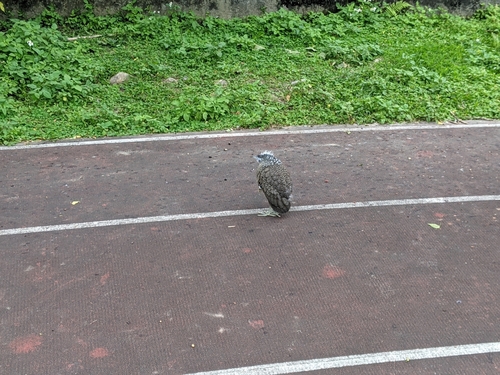 Martinete Malayo
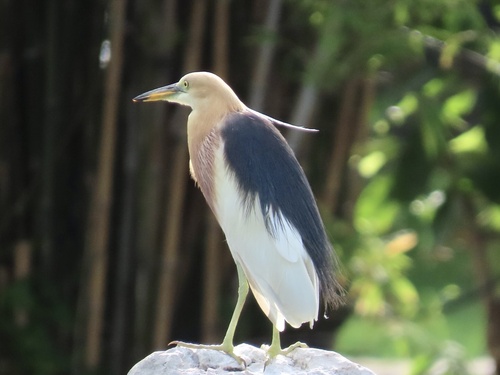 Garcilla Indonesia
En breve
La marca de campo más confiable para separar el Martinete Malayo de la Garcilla Indonesia es la coloración de las alas y el cuerpo, especialmente en aves no reproductoras e inmaduras. Los juveniles de Martinete Malayo son grisáceos a rufo con manchas y vermiculaciones pesadas, mientras que la Garcilla Indonesia en plumaje no reproductor o inmaduro es marrón y salpicada de blanco, asemejándose a otras garzas de estanque. En los adultos, el Martinete Malayo muestra un cuello y pecho rufo con rayas, partes superiores castañas y una corona negra, mientras que la Garcilla Indonesia en plumaje de cría es naranja, pizarra y blanca con alas notablemente blancas. Las diferencias estructurales son sutiles, pero el Martinete Malayo es más robusto con un pico más corto. El hábitat y el comportamiento pueden ayudar: el Martinete Malayo es generalmente solitario y terrestre, a menudo en parques urbanos o boscosos, mientras que la Garcilla Indonesia es más probable que se encuentre en humedales abiertos.
Consejos de identificación
- Plumaje juvenil/inmaduro: Los juveniles de Martinete Malayo están fuertemente manchados y vermiculados, con un tono grisáceo a rufo; los juveniles de la Garcilla Indonesia son marrones y salpicados de blanco, careciendo de manchas fuertes. Esta es la marca más confiable para inmaduros, especialmente en vuelo o a distancia.
- Plumaje de cría de adultos: El Martinete Malayo muestra un cuello y pecho rufos con rayas oscuras, partes superiores castañas y vermiculadas, corona negra y plumas de vuelo negruzcas. La Garcilla Indonesia en plumaje de cría es naranja, pizarra y blanca con alas blancas brillantes—las alas son especialmente diagnósticas en vuelo.
- Plumaje no reproductor de adultos: El Martinete Malayo mantiene su apariencia rufo y rayada, mientras que la Garcilla Indonesia se vuelve marrón y salpicada de blanco, asemejándose a otras garzas de estanque y careciendo del aspecto rufo/vermiculado.
- Vistas de vuelo: El Martinete Malayo muestra plumas de vuelo negruzcas y un perfil robusto y de cuello corto. La Garcilla Indonesia muestra alas blancas en plumaje de cría y una forma más típica de garza de estanque.
- Color del pico: El Martinete Malayo tiene un pico negro; la Garcilla Indonesia tiene un pico amarillo con una punta negra (especialmente obvio en plumaje de cría).
- Color de las patas: El Martinete Malayo tiene patas verdosas; la Garcilla Indonesia tiene patas amarillas.
- Corona y cara: El Martinete Malayo tiene una corona negra y barbilla blanca; la Garcilla Indonesia carece de una corona negra.
- Color de los ojos: Ambos tienen ojos amarillos, por lo que esto no es útil para la separación.
- Estructura: El Martinete Malayo es más robusto y de pico más corto; la Garcilla Indonesia es más esbelta y de pico más largo, pero esto es sutil y se debe usar mejor en combinación con el plumaje.
- Comportamiento: El Martinete Malayo es generalmente solitario y terrestre, a menudo lejos del agua; la Garcilla Indonesia es más probable que se vea en grupos y en humedales.
- Hábitat: El Martinete Malayo en parques boscosos, jardines o áreas urbanas; la Garcilla Indonesia en humedales abiertos, arrozales o pantanos.
- Voz: Si escuchas un profundo 'oo' o un croar áspero, sospecha del Martinete Malayo. La Garcilla Indonesia generalmente es silenciosa.
- Temporada: La Garcilla Indonesia es migratoria y muestra sus colores más brillantes en la temporada de cría (junio-septiembre); el Martinete Malayo no tiene un cambio estacional tan dramático.
- Diferencias sexuales: Los machos de Martinete Malayo pueden mostrar lore más azul profundo y una cresta más larga durante la cría, pero esto es sutil y rara vez útil en el campo.
- Trampas: La Garcilla Indonesia no reproductora es extremadamente similar a otras garzas de estanque y puede confundirse con ellas, pero nunca muestra el fuerte patrón rufo, rayado y vermiculado del Martinete Malayo a ninguna edad.
Tamaño
Martinete Malayo is slightly larger and heavier (body mass ~415g, length 48 cm, wingspan 86 cm) than Garcilla Indonesia (length ~45 cm; mass not specified but generally lighter than Martinete Malayo). Martinete Malayo is also stockier with a shorter beak, while Garcilla Indonesia is more slender and typical of pond herons. However, size alone is not a reliable field mark unless both species are seen side by side.
Plumaje
-
Juvenile/immature birds: Martinete Malayo juveniles are greyish to rufous, heavily spotted and vermiculated overall, with a distinctive streaked rufous neck and breast. Garcilla Indonesia juveniles and non-breeding birds are brown and flecked with white, lacking the heavy spotting and vermiculation of Martinete Malayo, and are virtually indistinguishable from other pond herons (Chinese, Indian) in this plumage.
-
Adult breeding plumage: Martinete Malayo adults have a rufous neck and breast with dark streaks, chestnut and vermiculated upperparts, blackish flight feathers, a black crown, white chin, and yellow eyes. Garcilla Indonesia adults in breeding plumage have orange, slaty, and white body coloration with bright white wings, a yellow bill with a black tip, yellow eyes, and yellow legs.
-
Adult non-breeding plumage: Martinete Malayo remains rufous and streaked, while Garcilla Indonesia becomes brown and flecked with white, closely resembling other pond herons and lacking the strong rufous and vermiculated pattern of Martinete Malayo.
-
Flight feathers: Martinete Malayo has blackish flight feathers, while Garcilla Indonesia has white wings (especially obvious in flight in breeding plumage).
Comportamiento
El Martinete Malayo es solitario, a menudo buscando alimento solo en áreas abiertas, parques o entornos boscosos, y es más terrestre, a veces visto alimentándose de lombrices y ranas en entornos urbanos. Se posan en árboles pero rara vez se ven en grupos. La Garcilla Indonesia es más típica de las garzas de estanque, a menudo encontrada en humedales poco profundos, a veces en grupos sueltos, y es más probable que se vea hurgando en el agua en busca de insectos, peces y cangrejos. El Martinete Malayo es menos probable que se vea en hábitats húmedos abiertos frecuentados por la Garcilla Indonesia.
Hábitat
El Martinete Malayo prefiere áreas boscosas, parques urbanos y a veces se alimenta en áreas abiertas de hierba, a menudo lejos del agua abierta. Generalmente es solitario y se puede encontrar anidando cerca de edificios en áreas urbanas. La Garcilla Indonesia está fuertemente asociada con humedales de agua dulce y salada poco profundos, arrozales y pantanos, y rara vez se encuentra lejos del agua. El hábitat es una pista útil: una garza en un parque boscoso o lejos del agua es más probable que sea un Martinete Malayo, mientras que una en un humedal es probablemente una Garcilla Indonesia.
Voz
El llamado territorial del Martinete Malayo es una nota profunda de 'oo', con croares ásperos adicionales y sonidos de 'arh, arh, arh'. No se describe ninguna vocalización distintiva para la Garcilla Indonesia en estas notas, por lo que la voz solo es útil si se escuchan los profundos llamados del Martinete Malayo.