

Greater Coucal vs Chestnut-winged Cuckoo
Centropus sinensis contro Clamator coromandus
Fai un quiz con Greater Coucal e Chestnut-winged Cuckoo
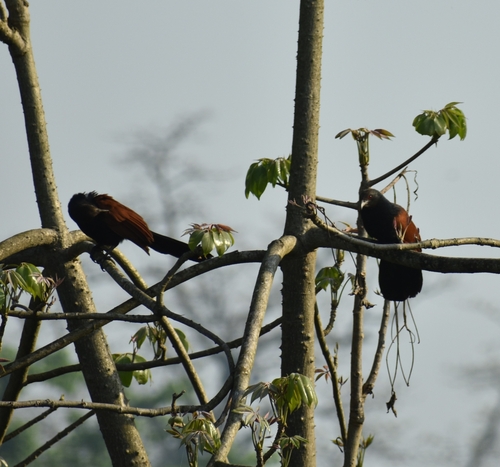 Greater Coucal
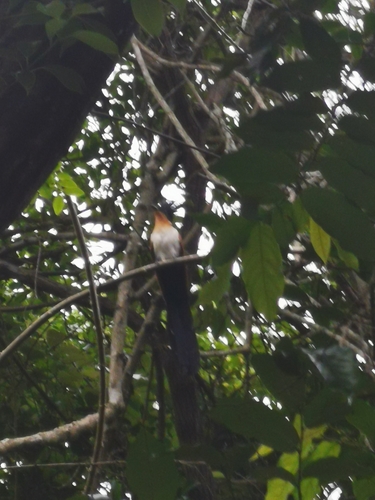 Chestnut-winged Cuckoo
In breve
Il segno distintivo più affidabile per separare il Greater Coucal dal Chestnut-winged Cuckoo è la struttura generale e la forma della coda: il Greater Coucal è molto più pesante con un corpo robusto e una coda larga e lunga e non ha cresta, mentre il Chestnut-winged Cuckoo è più snello, ha una cresta nera prominente e una coda lunga e graduata con punte bianche sottili. I giovani Greater Coucal mostrano parti inferiori e coda barrate, mentre i giovani Chestnut-winged Cuckoo sono scuri con un aspetto squamoso delle penne alari. Negli adulti, il Greater Coucal ha una testa e parti inferiori nere profonde con ali castagne brillanti, ma senza collare bianco, mentre il Chestnut-winged Cuckoo mostra un colletto nuchale bianco e una gola ruggine. Entrambi possono mostrare ali castagne, ma il contesto, la struttura e il motivo della testa sono fondamentali. Fai attenzione al portamento pesante e simile a un corvo del Coucal e al profilo più snello e crestato del Cuckoo.
Consigli di identificazione
- Overall structure: Il Greater Coucal è molto più massiccio e pesante, con una struttura robusta simile a un corvo e una coda larga; il Chestnut-winged Cuckoo è snello, più leggero e più agile, con una coda lunga, stretta e graduata.
- Crest: Il Chestnut-winged Cuckoo ha una cresta nera lucida prominente; il Greater Coucal non ha alcuna cresta e ha una testa arrotondata.
- Tail shape: La coda del Coucal è larga e con bordi dritti, non evidentemente graduata; la coda del Cuckoo è lunga e distintamente graduata (le penne esterne sono molto più corte di quelle centrali), spesso con punte bianche sottili (non così evidenti come nel Jacobin Cuckoo).
- Head and collar: Il Chestnut-winged Cuckoo mostra un colletto nuchale bianco stretto che separa la testa nera dalla schiena, e una gola ruggine; il Greater Coucal ha una testa e una gola uniformemente nere (a volte con riflessi viola/blu) senza collare bianco.
- Eye color: Il Greater Coucal ha occhi rossi rubino sorprendenti, visibili da vicino; il colore degli occhi del Chestnut-winged Cuckoo non è diagnostico.
- Wing color: Entrambi mostrano ali castagne, ma quelle del Coucal sono più larghe e l'uccello appare più pesante in volo; le ali del Cuckoo sono più snelle e l'uccello è più aerodinamico.
- Juvenile plumage: Il giovane Coucal (razze settentrionali) ha parti inferiori e coda barrate, e macchie sulla corona; i giovani Coucal meridionali sono privi di segni sotto. Il giovane Chestnut-winged Cuckoo è scuro complessivamente con un aspetto squamoso delle penne alari, privo delle barre del Coucal.
- Bill: Il becco del Coucal è pesante e leggermente ricurvo, adatto per cercare cibo a terra; il becco del Cuckoo è più snello e più tipico dei cuculi arboricoli.
- Behavior: Il Coucal è spesso visto camminare a terra o muoversi goffamente in copertura densa; il Cuckoo è più arboricolo, spesso posandosi in luoghi aperti o unendosi a stormi misti.
- Habitat: Il Coucal è comune in giardini, campi e margini urbani; il Cuckoo è più legato ai margini forestali, alla crescita secondaria e ai siti di sosta migratoria.
- Voice: Il Coucal emette richiami profondi, rimbombanti e ripetitivi; il Cuckoo emette note doppie flautate, ripetute con brevi intervalli. Se ascoltati bene, questi sono diagnostici.
- Flight style: Il Coucal vola con battiti d'ali lenti e pesanti e spesso atterra goffamente; il Cuckoo è più diretto e agile in volo.
- Season: Il Chestnut-winged Cuckoo è migratorio e può apparire nel sud dell'India e nello Sri Lanka principalmente in inverno; il Coucal è residente tutto l'anno.
- Sexes: Entrambe le specie sono simili nel piumaggio tra i sessi; la femmina del Coucal è leggermente più grande, ma questo non è utile sul campo.
- Pitfalls: Entrambi possono mostrare ali castagne e corpi scuri, ma solo il Cuckoo combina una cresta, un collare nuchale bianco, una gola ruggine e una coda graduata. Controlla sempre la combinazione di struttura, motivo della testa e forma della coda.
Taglia
Il Greater Coucal è drammaticamente più pesante e massiccio (massa corporea ~283 g) rispetto al molto più leggero Chestnut-winged Cuckoo (~76 g) [wikidata]. Entrambe le specie sono simili in lunghezza complessiva (Coucal ~48 cm, Cuckoo ~47 cm), ma il corpo del Coucal è molto più robusto e la sua coda è più larga e meno graduata. Il Chestnut-winged Cuckoo è snello, con una struttura visibilmente più leggera e una coda lunga, stretta e graduata. Sul campo, il Coucal appare spesso quasi simile a un corvo, mentre il Cuckoo è più snello e agile.
Piumaggio
- Juveniles: I giovani Greater Coucal sono di un nero più opaco con macchie sulla corona e barre bianche sul lato inferiore e sulla coda; le razze settentrionali mostrano parti inferiori barrate, mentre i giovani meridionali (parroti) hanno parti inferiori di un nero opaco senza segni e ali castagne scure. I giovani Chestnut-winged Cuckoo sono complessivamente scuri con un aspetto squamoso delle penne alari, privi delle barre o delle macchie del Coucal.
- Adults: Gli adulti del Greater Coucal hanno una testa nera, un mantello superiore e parti inferiori con riflessi viola/blu, con un dorso e ali castagne ricche; nessun collare bianco o cresta. Gli adulti del Chestnut-winged Cuckoo mostrano una testa nera lucida con una cresta prominente, un colletto nuchale bianco stretto (che separa la testa nera dalla schiena), ali castagne, gola ruggine, parti inferiori scure e una lunga coda nera graduata con punte bianche sottili. Gli occhi del Coucal sono rossi rubino, mentre il colore degli occhi del Cuckoo non è notato come distintivo.
- In flight: Entrambi mostrano ali castagne, ma le ali del Coucal sono più larghe e l'uccello appare più pesante; le ali del Cuckoo sono più strette e la coda è più evidentemente graduata.
Comportamento
Il Greater Coucal è spesso visto camminare o muoversi furtivamente in vegetazione densa, giardini o campi aperti, muovendosi pesantemente e talvolta goffamente. Tende a essere solitario o in coppie, spesso cercando cibo a terra o vicino al suolo. Il Chestnut-winged Cuckoo è più arboricolo, di solito visto singolarmente e talvolta unendosi a stormi misti di specie. È più probabile che venga visto in volo attivo o posato in luoghi aperti, specialmente durante la migrazione quando può apparire in luoghi insoliti, talvolta esausto. Il movimento del Coucal è lento e deliberato, mentre il Cuckoo è più agile e all'erta.
Habitat
Il Greater Coucal è un residente diffuso nel subcontinente indiano e nel sud-est asiatico, trovato in una vasta gamma di habitat che vanno dalla giungla densa a terreni coltivati e giardini urbani. È un generalista dell'habitat, spesso vicino all'abitazione umana. Il Chestnut-winged Cuckoo nidifica lungo l'Himalaya e migra a sud in inverno verso lo Sri Lanka, il sud dell'India e il sud-est asiatico, inclusi Indonesia, Thailandia e Filippine. È più strettamente associato ai margini forestali, alla crescita secondaria e alle aree boschive, ed è meno probabile trovarlo in giardini urbani o coltivazioni aperte rispetto al Coucal. Durante la migrazione, il Cuckoo può apparire in habitat atipici.
Voce
Il canto del Greater Coucal varia a seconda della razza ma è generalmente una serie profonda, risonante e ripetitiva di 'coop-coop-coop' o 'whoop', spesso emessa da un riparo. Il Chestnut-winged Cuckoo emette note doppie flautate, ripetute con brevi intervalli, ed è meno probabile che venga sentito emettere i profondi richiami rimbombanti del Coucal. Le vocalizzazioni sono distintive se ascoltate bene, ma potrebbero non essere sempre diagnostiche in incontri brevi.
Greater Coucal · Chestnut-winged Cuckoo · I miei uccelli difficili