
Common Nighthawk vs Succiacapre
Chordeiles minor contro Caprimulgus europaeus
Fai un quiz con Common Nighthawk e Succiacapre
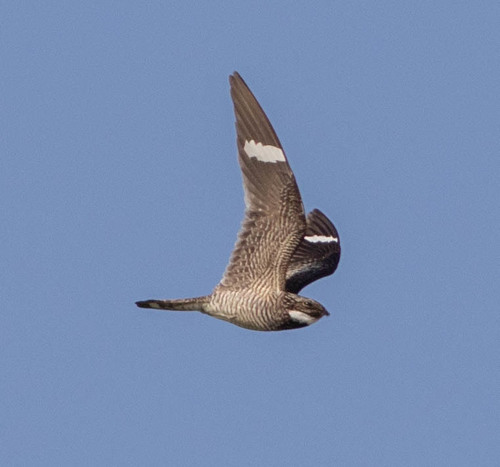 Common Nighthawk
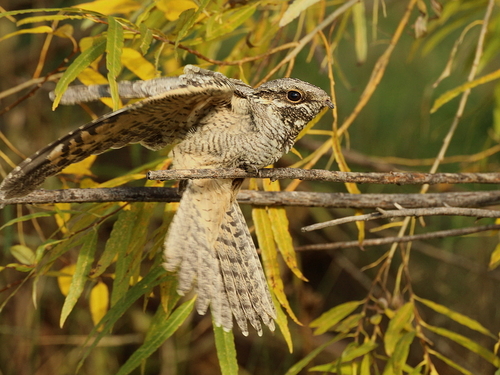 Succiacapre
In breve
Il segno di campo più affidabile tra Common Nighthawk e Succiacapre è la presenza e il modello di macchie bianche sulle ali e sulla coda, specialmente in volo e per i maschi adulti. Il Common Nighthawk di tutte le età mostra una audace macchia bianca sulle ali (più piccola nei giovani), mentre il maschio adulto Succiacapre ha una macchia bianca sulle ali e angoli bianchi sulla coda, ma le femmine e i giovani mancano di queste aree bianche. Anche la struttura aiuta: il Common Nighthawk è più snello, con ali più lunghe e appuntite e una coda incisa, e spesso appare più erratico in volo. Entrambe le specie sono criptiche quando sono posate, ma il Succiacapre è più robusto e manca del caratteristico lampo bianco delle ali del nighthawk (eccetto nei maschi adulti). Le vocalizzazioni sono abbastanza diverse, con il nighthawk che emette un acuto 'peent' e il nightjar un lungo trill cinguettante.
Consigli di identificazione
- White wing patch in flight: Il Common Nighthawk di tutte le età e sessi mostra una audace macchia bianca sulle primarie, visibile come un grande lampo in volo. I maschi del Succiacapre hanno una macchia bianca più piccola (su tre primarie), ma le femmine e i giovani mancano di qualsiasi bianco sulle ali. Se vedi un grande e ovvio lampo bianco sulle ali, specialmente su un uccello snello e che vola in modo erratico, è un nighthawk.
- Tail pattern: Il maschio del Succiacapre ha punte bianche sulle due piume esterne della coda, visibili in volo; le femmine e i giovani mancano di questo. Il Common Nighthawk ha una coda incisa ma nessun angolo bianco sulla coda.
- Juvenile confusion: I giovani nighthawk sono più chiari e hanno una macchia bianca più piccola sulle ali, ma mostrano comunque un po' di bianco. Il giovane Succiacapre manca di bianco sulle ali/coda e somiglia alla femmina adulta del nightjar—uniformemente criptico, brownish-grey.
- Structure in flight: Il Common Nighthawk è più snello, con ali lunghe e appuntite e una coda incisa, dando una silhouette più angolare, simile a un falco. Il Succiacapre è più robusto, con ali più larghe e un corpo più rotondo.
- Flight style: Il volo del nighthawk è rimbalzante, erratico e spesso alto sopra la testa. Il volo del Succiacapre è più morbido, più rimbalzante e silenzioso, spesso più vicino al suolo.
- Perched posture: Entrambi si posano orizzontalmente, ma le ali del nighthawk si estendono oltre la coda e spesso scelgono posatoi aperti ed esposti (ad es., tetti, pali). Il Succiacapre è più probabile che si trovi a terra o su rami bassi in copertura densa.
- Facial features: Il Succiacapre ha un collare sul collo posteriore di un buff pallido e una linea moustachiale bianca, ma questi sono sottili e non sempre visibili. Il nighthawk ha una grande testa appiattita con grandi occhi e manca di setole rictali.
- Plumage details: Entrambi sono intricatamente decorati, ma solo il nighthawk ha una costante macchia bianca sulle ali. Il nightjar è più uniformemente grigio-bruno con barrature di buff e marrone sotto.
- Vocalization: Ascolta il chiaro richiamo 'peent' del nighthawk, specialmente al crepuscolo. Il canto del maschio del Succiacapre è un lungo trill meccanico e continuo, spesso da un posatoio.
- Sex differences: Solo il maschio del Succiacapre mostra bianco sulle ali e sulla coda; le femmine e i giovani mancano di questi segni. Entrambi i sessi del nighthawk hanno la macchia bianca sulle ali.
- Seasonal molt: Entrambe le specie completano la loro muta principale nei luoghi di svernamento, ma questo non è un segno di campo.
- Habitat context: Se nelle Americhe, solo il Common Nighthawk è possibile; in Europa/Palearctico, il Succiacapre è il default. Tuttavia, controlla sempre i segni di campo in caso di vagabondaggio.
- Behavior at rest: Il nighthawk è più probabile che venga visto posato in aperto, il nightjar è più segreto e mimetizzato.
- Size impression: Entrambi sono simili in dimensioni, ma il nighthawk appare più snello e angolare, il nightjar più robusto e rotondo.
- Pitfalls: La femmina e il giovane Succiacapre possono essere scambiati per nighthawk se la macchia bianca sulle ali non viene controllata; i giovani nighthawk hanno una macchia bianca ridotta ma ancora visibile.
Taglia
Entrambe le specie sono simili in massa, con il Common Nighthawk che pesa in media circa 79 g [wikidata], e i maschi del Succiacapre che variano da 51 a 101 g e le femmine da 67 a 95 g [wikipedia]. Il Succiacapre è leggermente più lungo (24,5–28 cm) rispetto al Common Nighthawk (22–25 cm), ma le loro aperture alari si sovrappongono (nighthawk: 51–61 cm, nightjar: 52–59 cm). Sul campo, il nighthawk può apparire più snello e angolare a causa delle sue ali lunghe e appuntite e della coda incisa, mentre il nightjar è più robusto e rotondo.
Piumaggio
- Juvenile/immature birds: Il giovane Common Nighthawk è più chiaro nel complesso e mostra una macchia bianca più piccola sulle ali rispetto agli adulti, ma ha comunque un po' di bianco visibile in volo. Il giovane Succiacapre somiglia alle femmine adulte, mancando di qualsiasi bianco sulle ali o sulla coda, rendendoli più uniformemente criptici e grigio-bruni sopra con barrature di buff e marrone sotto.
- Adult males: I maschi adulti di entrambe le specie mostrano bianco sulle ali, ma il modello differisce. Il Common Nighthawk (tutte le età/sessi) ha una audace macchia bianca sulle primarie, visibile come un grande lampo in volo. Il maschio del Succiacapre ha una macchia bianca più piccola (su tre primarie) e punte bianche sulle piume esterne della coda, ma la macchia sulle ali è meno estesa e il bianco sulla coda è diagnostico solo per i maschi.
- Adult females: La femmina del Succiacapre manca di qualsiasi bianco sulle ali o sulla coda, mentre la femmina del Common Nighthawk mostra ancora la macchia bianca sulle ali. Entrambe le specie sono decorate in modo intricato con barrature criptiche e maculature, ma solo il nighthawk ha un lampo bianco costante sulle ali in tutte le età e sessi.
- Perched birds: Entrambi sono molto criptici, ma le ali del nighthawk si estendono oltre la sua coda incisa, e spesso si posano orizzontalmente su superfici aperte. Il Succiacapre è più robusto e mostra un collare sul collo posteriore di un buff pallido e una linea moustachiale bianca, ma questi sono sottili sul campo.
Comportamento
Il Common Nighthawk è più evidente nel volo rimbalzante ed erratico, spesso alto sopra la testa, ed è meno frequentemente visto a terra. Si posa orizzontalmente su rami, pali o superfici piatte, a volte sui tetti. Il Succiacapre è anche crepuscolare/notturno ma tende a volare più in basso, con un volo più morbido, più rimbalzante e silenzioso. I nightjar sono più difficili da spaventare e osservare, facendo molto affidamento sulla mimetizzazione quando sono posati. Entrambi sono difficili da individuare durante il giorno, ma il nighthawk è più probabile che venga visto volare al crepuscolo o all'alba.
Habitat
Il Common Nighthawk si trova in tutto il continente americano, spesso in habitat aperti, città e tetti. Il Succiacapre nidifica in tutta Europa e nel Palearctico, preferendo boschi aperti, brughiere e cespugli. Sebbene entrambe le specie preferiscano habitat aperti o semi-aperti per foraggiare, i loro areali non si sovrappongono, e il Succiacapre non si trova mai nelle Americhe. L'habitat da solo non è diagnostico se l'osservatore si trova in una regione in cui si verifica solo una specie.
Voce
Il Common Nighthawk emette un distintivo e acuto richiamo 'peent', spesso udito al crepuscolo o durante i tuffi di esibizione. Il maschio del Succiacapre produce un lungo trill cinguettante continuo da un posatoio, a volte per un massimo di 10 minuti, con occasionali trill gorgoglianti e battiti d'ali. Il canto del nightjar è ventriloquo e può essere confuso con grilli talpa, mentre il richiamo del nighthawk è breve e facilmente distinguibile. Entrambe le specie hanno richiami di allerta e minaccia, ma questi sono meno probabili da essere diagnostici sul campo.