
Añapero Yanqui vs Chotacabras Europeo
Chordeiles minor frente a Caprimulgus europaeus
Juega un quiz con Añapero Yanqui y Chotacabras Europeo
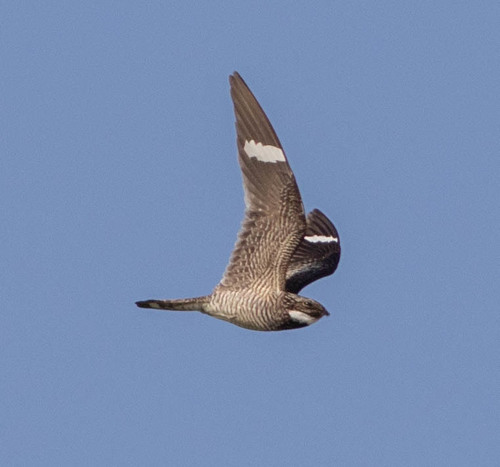 Añapero Yanqui
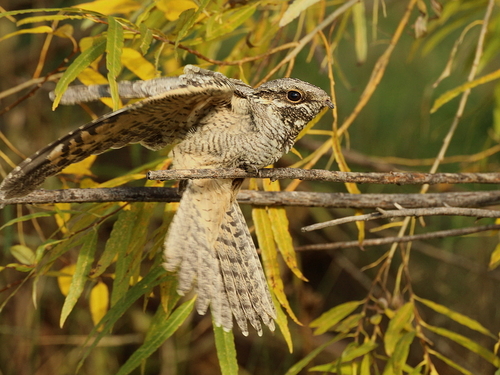 Chotacabras Europeo
En breve
La marca de campo más confiable entre el Añapero Yanqui y el Chotacabras Europeo es la presencia y el patrón de manchas blancas en las alas y la cola, especialmente en vuelo y para los machos adultos. El Añapero Yanqui de todas las edades muestra una audaz mancha blanca en el ala (más pequeña en los juveniles), mientras que el macho adulto del Chotacabras Europeo tiene una mancha blanca en el ala y esquinas blancas en la cola, pero las hembras y los juveniles carecen de estas áreas blancas. La estructura también ayuda: el Añapero Yanqui es más delgado, con alas más largas y puntiagudas y una cola muesca, y a menudo parece más errático en vuelo. Ambas especies son crípticas cuando están posadas, pero el Chotacabras Europeo es más robusto y carece del distintivo destello blanco del ala del añapero (excepto en machos adultos). Las vocalizaciones son bastante diferentes, con el añapero emitiendo un agudo peent y el chotacabras un largo trino de churring.
Consejos de identificación
- Mancha blanca en el ala en vuelo: El Añapero Yanqui de todas las edades y sexos muestra una audaz mancha blanca a través de las primarias, visible como un gran destello en vuelo. Los machos del Chotacabras Europeo tienen una mancha blanca más pequeña (a través de tres primarias), pero las hembras y los juveniles carecen de cualquier blanco en las alas. Si ves un gran y obvio destello blanco en el ala, especialmente en un ave delgada y de vuelo errático, es un añapero.
- Patrón de la cola: El macho del Chotacabras Europeo tiene puntas blancas en las dos plumas exteriores de la cola, visibles en vuelo; las hembras y los juveniles carecen de esto. El Añapero Yanqui tiene una cola muesca pero no tiene esquinas blancas en la cola.
- Confusión juvenil: Los añaperos juveniles son más pálidos y tienen una mancha blanca en el ala más pequeña, pero aún muestran algo de blanco. El Chotacabras Europeo juvenil carece de blanco en las alas/cola y se asemeja a la hembra adulta del chotacabras—uniformemente críptico, marrón grisáceo.
- Estructura en vuelo: El Añapero Yanqui es más delgado, con alas largas y puntiagudas y una cola muesca, dando una silueta más angular, similar a la de un halcón. El Chotacabras Europeo es más robusto, con alas más anchas y un cuerpo más redondeado.
- Estilo de vuelo: El vuelo del añapero es ligero, errático y a menudo alto en el cielo. El vuelo del Chotacabras Europeo es más suave, más ligero y silencioso, a menudo más cerca del suelo.
- Postura posada: Ambas especies se posan horizontalmente, pero las alas del añapero se extienden más allá de la cola y a menudo elige posaderos abiertos y expuestos (por ejemplo, techos, postes). El Chotacabras Europeo es más probable que se encuentre en el suelo o en ramas bajas en cubierta densa.
- Características faciales: El Chotacabras Europeo tiene un collar de nuca pálido y una línea bigotera blanca, pero estas son sutiles y no siempre visibles. El añapero tiene una cabeza grande y aplanada con ojos grandes y carece de bristles rictales.
- Detalles del plumaje: Ambas especies tienen patrones intrincados, pero solo el añapero tiene una mancha blanca consistente en el ala. El chotacabras es más uniformemente marrón grisáceo con barrado de color canela y marrón por debajo.
- Vocalización: Escucha el agudo llamado 'peent' del añapero, especialmente al atardecer. La canción del macho del Chotacabras Europeo es un largo, mecánico trino de churring, a menudo desde un posadero.
- Diferencias sexuales: Solo el macho del Chotacabras Europeo muestra blanco en las alas y la cola; las hembras y los juveniles carecen de estas marcas. Ambos sexos del añapero tienen la mancha blanca en el ala.
- Muda estacional: Ambas especies completan su muda principal en los terrenos de invernada, pero esto no es una marca de campo.
- Contexto de hábitat: Si estás en las Américas, solo es posible el Añapero Yanqui; en Europa/Palearctic, el Chotacabras Europeo es el predeterminado. Sin embargo, siempre verifica las marcas de campo en caso de vagancia.
- Comportamiento en reposo: Es más probable que se vea al añapero posado en lugares abiertos, el chotacabras es más secreto y camuflado.
- Impresión de tamaño: Ambas son similares en tamaño, pero el añapero parece más delgado y angular, el chotacabras más robusto y redondeado.
- Trampas: La hembra y el juvenil del Chotacabras Europeo pueden confundirse con el añapero si no se verifica la mancha blanca en el ala; los añaperos juveniles tienen una mancha blanca reducida pero aún visible.
Tamaño
Ambas especies son similares en masa, con el Añapero Yanqui promediando alrededor de 79 g [wikidata], y los machos del Chotacabras Europeo variando de 51 a 101 g y las hembras de 67 a 95 g [wikipedia]. El Chotacabras Europeo es ligeramente más largo (24.5–28 cm) que el Añapero Yanqui (22–25 cm), pero sus envergaduras se superponen (añapero: 51–61 cm, chotacabras: 52–59 cm). En el campo, el añapero puede parecer más delgado y angular debido a sus alas largas y puntiagudas y cola muesca, mientras que el chotacabras es más robusto y redondeado.
Plumaje
- Aves juveniles/inmaduras: El Añapero Yanqui juvenil es más pálido en general y muestra una mancha blanca en el ala más pequeña que los adultos, pero aún tiene algo de blanco visible en vuelo. El Chotacabras Europeo juvenil se asemeja a las hembras adultas, careciendo de cualquier blanco en las alas o la cola, haciéndolos más uniformemente crípticos y marrón grisáceo por encima con barrado de color canela y marrón por debajo.
- Machos adultos: Ambos machos adultos de las especies muestran blanco en las alas, pero el patrón difiere. El Añapero Yanqui (todas las edades/sexos) tiene una audaz mancha blanca a través de las primarias, visible como un gran destello en vuelo. El macho del Chotacabras Europeo tiene una mancha blanca más pequeña (a través de tres primarias) y puntas blancas en las plumas exteriores de la cola, pero la mancha del ala es menos extensa y el blanco de la cola es diagnóstico solo para machos.
- Hembras adultas: La hembra del Chotacabras Europeo carece de cualquier blanco en las alas o la cola, mientras que la hembra del Añapero Yanqui aún muestra la mancha blanca en el ala. Ambas especies tienen patrones intrincados con barrado y moteado críptico, pero solo el añapero tiene un destello blanco consistente en el ala en todas las edades y sexos.
- Aves posadas: Ambas son muy crípticas, pero las alas del añapero se extienden más allá de su cola muesca, y a menudo se posan horizontalmente en superficies abiertas. El Chotacabras Europeo es más robusto y muestra un collar de nuca pálido y una línea bigotera blanca, pero estas son sutiles en el campo.
Comportamiento
El Añapero Yanqui es más conspicuo en vuelo ligero y errático, a menudo alto en el cielo, y se ve con menos frecuencia en el suelo. Se posa horizontalmente en ramas, postes o superficies planas, a veces en techos. El Chotacabras Europeo también es crepuscular/nocturno pero tiende a volar más bajo, con un vuelo más suave, más ligero y silencioso. Los chotacabras son más difíciles de asustar y observar, confiando en gran medida en el camuflaje cuando están posados. Ambas son difíciles de detectar durante el día, pero el añapero es más probable que se vea volando al atardecer o al amanecer.
Hábitat
El Añapero Yanqui se encuentra en toda América, a menudo en hábitats abiertos, ciudades y techos. El Chotacabras Europeo cría en Europa y el Palearctic, favoreciendo bosques abiertos, brezales y matorrales. Si bien ambas prefieren hábitats abiertos o semi-abiertos para forrajear, sus rangos no se superponen, y el Chotacabras Europeo nunca se encuentra en las Américas. El hábitat por sí solo no es diagnóstico si el observador está en una región donde solo ocurre una especie.
Voz
El Añapero Yanqui emite un distintivo y agudo llamado 'peent', a menudo escuchado al atardecer o durante los vuelos de exhibición. El macho del Chotacabras Europeo produce un largo y continuo trino de churring desde un posadero, a veces durante hasta 10 minutos, con trinos burbujeantes ocasionales y aleteo. La canción del chotacabras es ventriloquial y puede confundirse con grillos topo, mientras que el llamado del añapero es corto y fácilmente distinguible. Ambas especies tienen llamados de alarma y amenaza, pero estos son menos propensos a ser diagnósticos en el campo.