

Black-capped Petrel vs Hawaiian Petrel
Pterodroma hasitata contro Pterodroma sandwichensis
Fai un quiz con Black-capped Petrel e Hawaiian Petrel
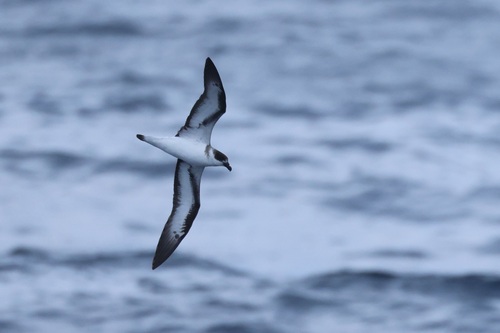 Black-capped Petrel
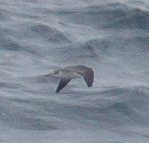 Hawaiian Petrel
In breve
Il segno distintivo più affidabile per separare il Black-capped Petrel dall'Hawaiian Petrel è la presenza di un cappello nero distinto sul Black-capped Petrel, che spesso si estende fino o sotto l'occhio, in contrasto con il suo altrimenti bianco nape e coda. L'Hawaiian Petrel manca di questo cappello ben definito, mostrando invece una testa e parti superiori di un grigio-marrone scuro più uniforme. Entrambi sono grandi petrelli con ali lunghe e simili proporzioni, ma il Black-capped Petrel tende a mostrare una coda e un nape bianchi più brillanti in volo, mentre l'Hawaiian Petrel appare complessivamente più scuro e uniforme sopra. Sul campo, concentrati sul pattern della testa e sul contrasto tra le parti superiori e la coda per la migliore separazione, specialmente in uccelli lontani o in rapido movimento.
Consigli di identificazione
- Cappello nero (Black-capped Petrel): Cerca un cappello nero ben definito che può estendersi sotto l'occhio, in contrasto con un nape e una coda bianchi. Questo è il segno distintivo più affidabile per tutte le età e morfologie del Black-capped Petrel.
- Pattern della testa (Hawaiian Petrel): L'Hawaiian Petrel manca di un cappello nero distintivo; la sua testa e le parti superiori sono di un grigio-marrone scuro più uniforme, fondendosi con la schiena senza un forte contrasto.
- Contrasto tra coda e nape: Il Black-capped Petrel mostra una coda e un nape bianchi brillanti, specialmente evidenti in volo, mentre la coda dell'Hawaiian Petrel è meno distintamente bianca e si fonde di più con la schiena.
- Marcature sotto le ali: Entrambe le specie hanno alcune marcature scure sotto le ali, ma queste non sono descritte come diagnostiche tra le due nelle fonti.
- Colore delle parti superiori: Il Black-capped Petrel ha una schiena e ali grigio-marroni con una coda bianca, creando un forte contrasto; l'Hawaiian Petrel è più scuro e uniforme sopra, con ali e coda fuligginose.
- Pattern facciale: Anche nella morfologia con faccia bianca del Black-capped Petrel, il cappello è presente; il volto dell'Hawaiian Petrel non è mai così nettamente marcato.
- Silhouette in volo: Entrambi hanno ali lunghe e planano in archi alti; la silhouette da sola non è un separatore affidabile.
- Dimensione: Il Black-capped Petrel è leggermente più pesante, ma questa non è rilevabile sul campo; entrambi appaiono simili in grandezza e con ali lunghe.
- Becco e piedi: Non sono state notate differenze diagnostiche nelle fonti disponibili.
- Vocalizzazioni: I richiami non sono utili per la separazione in mare; entrambi sono per lo più silenziosi lontano dai luoghi di nidificazione.
- Habitat e gamma: Se visti nei Caraibi o nell'Atlantico occidentale, ci si aspetta il Black-capped Petrel; nel Pacifico centrale o vicino alle Hawaii, ci si aspetta l'Hawaiian Petrel. I record fuori dalla gamma sono estremamente rari ma possibili.
- Comportamento al nido: Entrambi sono notturni e riservati nei siti di nidificazione, muovendosi verso i loro rifugi; questo non è un separatore.
- Morfologie di colore: Il Black-capped Petrel ha morfologie con faccia scura e faccia bianca, ma entrambe mantengono il cappello nero. L'Hawaiian Petrel non mostra tale variazione.
- Confusione giovanile/immatura: Non sono stati descritti segni specifici di pattern delle ali superiori o di volo per età specifiche per nessuna delle due specie; concentrati sul contrasto tra testa e coda per tutte le età.
- Trappole: Visioni lontane o in condizioni di scarsa illuminazione possono offuscare il cappello o il contrasto della coda; in tali casi, la gamma e l'impressione complessiva (nitido vs. uniforme) diventano più importanti.
Taglia
Entrambe le specie sono grandi petrelli Pterodroma con ali lunghe e strette e aperture alari simili (Black-capped Petrel: ~94 cm, Hawaiian Petrel: ~91 cm). Il Black-capped Petrel è leggermente più pesante (massa corporea ~455 g), ma questa differenza non è affidabilmente discernibile sul campo. Strutturalmente, entrambe appaiono con ali lunghe e robuste, senza forti differenze di jizz o silhouette notate nelle fonti disponibili.
Piumaggio
- Piumaggio giovanile/immaturo: Non sono stati descritti pattern specifici delle ali superiori o distinzioni giovanili/di primo inverno per nessuna delle due specie nelle fonti, quindi l'attenzione rimane sul piumaggio di tipo adulto.
- Black-capped Petrel: Mostra un cappello nero sorprendente che può raggiungere sotto l'occhio, un nape e una coda bianchi, e parti inferiori per lo più bianche con alcune marcature scure sotto le ali. La schiena e le ali sono grigio-marroni, creando un forte contrasto con la coda e il nape bianchi in volo. Esistono due morfologie di colore (con faccia scura e con faccia bianca), ma entrambe mantengono la caratteristica del cappello nero.
- Hawaiian Petrel: Manca di un cappello nero ben definito; la testa e le parti superiori sono di un grigio-marrone scuro più uniforme, con ali e coda descritte come fuligginose. La coda non è così distintamente bianca, e l'impressione complessiva è più scura e meno contrastante rispetto al Black-capped. Le parti inferiori sono bianche, ma la testa si fonde più gradualmente nelle parti superiori.
- Contrasto chiave: Il cappello nero del Black-capped Petrel e la coda/nape bianchi brillanti sono i migliori segni distintivi sul campo; l'Hawaiian Petrel è più uniforme e manca del pattern facciale nitido.
Comportamento
Entrambe le specie sono notturne nei siti di nidificazione e trascorrono la maggior parte del loro tempo in mare. In volo, entrambe mostrano archi alti e ripidi e planate tipiche dei petrelli Pterodroma. Non ci sono menzioni di differenze nel foraggiamento o nello stile di volo tra le due nelle fonti disponibili. A terra, entrambe sono goffe e si muovono verso i loro rifugi, non camminando bene.
Habitat
Il Black-capped Petrel nidifica nelle Indie Occidentali, principalmente a Hispaniola, ed è visto in mare nei Caraibi e nell'Atlantico occidentale. L'Hawaiian Petrel è endemico delle Isole Hawaii, nidificando su alte pendici vulcaniche e foraggiando ampiamente nel Nord Pacifico. La gamma è il principale separatore di habitat: il Black-capped non è mai atteso nel Pacifico centrale, e l'Hawaiian Petrel non si trova nei Caraibi. Entrambi nidificano in rifugi o crepe rocciose su isole remote, boscose o montuose.
Voce
Entrambe le specie sono per lo più silenziose in mare. Nei luoghi di nidificazione, il Black-capped Petrel è noto per i suoi gracchi e richiami strani di notte, mentre l'Hawaiian Petrel emette un distintivo lamento "oo-ah-oo" e una varietà di yaps, abbaiare e squeals nei rifugi. Queste vocalizzazioni sono improbabili da sentire in mare e non sono utili per la separazione nella maggior parte delle situazioni sul campo.
Black-capped Petrel · Hawaiian Petrel · I miei uccelli difficili