

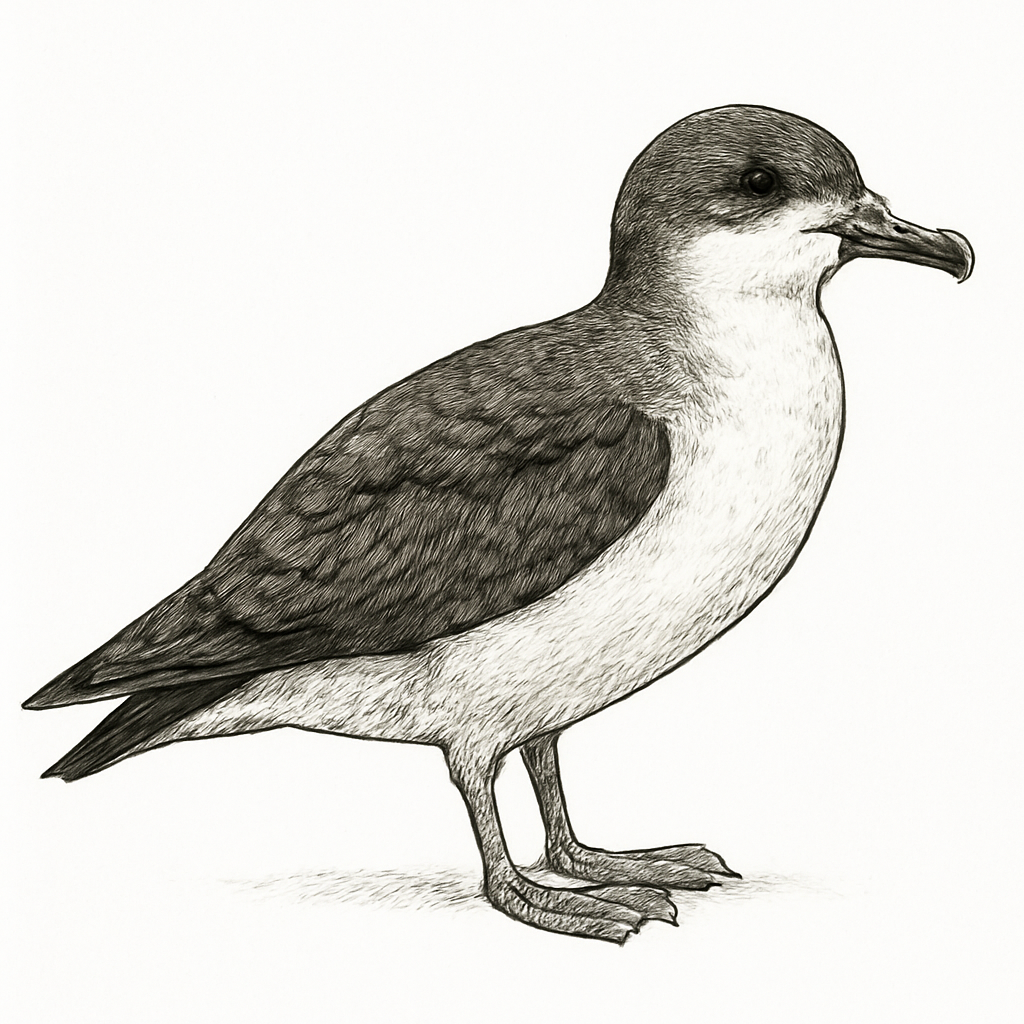
Hawaiian Petrel
Pterodroma sandwichensis
Shearwaters and Petrels (Procellariidae) · Procellariiformes · Petrelli, Berta e Petrelli tuffatori
Fai un quiz con Hawaiian Petrel e specie simili
Vedi tutte le foto, i video e i suoni
Revisione necessaria
Motmot è un progetto della community, e molte foto aspettano ancora un controllo umano. Se conosci questo uccello, puoi aiutare rivedendo le immagini.

O-o, i crediti IA sono finiti. Sviluppo Motmot nel tempo libero, e al momento non c’è finanziamento. Se vuoi aiutare a farlo crescere, scrivimi a info@motmot.club.
Come riconoscere Hawaiian Petrel
Sto scrivendo le note di identificazione…
Cerca note di identificazione in fonti aperte, poi chiede al modello di scriverle. Può richiedere un minuto.
Accedi per generare note di identificazione per questo uccello.
Spesso confuso con
Nei quiz i giocatori confondono più spesso Hawaiian Petrel con questi uccelli: o questa specie è stata scelta per errore, o il contrario.
| Specie | Confusioni |
|---|---|
| Bonin Petrel Pterodroma hypoleuca | 5 |
| Trindade Petrel Pterodroma arminjoniana | 4 |
| Black-capped Petrel Pterodroma hasitata | 4 |
| Berta dell'Atlantico Ardenna gravis | 4 |
| Uccello delle tempeste di Wilson Oceanites oceanicus | 2 |
Famiglia
The family Procellariidae is a group of seabirds that comprises the fulmarine petrels, the gadfly petrels, the diving petrels, the prions, and the shearwaters. This family is part of the bird order Procellariiformes (or tubenoses), which also includes the albatrosses and the storm petrels. The procellariids are the most numerous family of tubenoses, and the most diverse.
Ordine
Procellariiformes is an order of seabirds that comprises four families; the albatrosses, the petrels and shearwaters, and two families of storm petrels. Formerly called Tubinares and still called tubenoses in English, Procellariiformes are often referred to collectively as the petrels, a term that has been applied to all members of the order, or more commonly all the families except the albatrosses. They are almost exclusively pelagic (feeding in the open ocean), and have a cosmopolitan distribution across the world's oceans, …