

Motmot

ズグロシロハラミズナギドリ 対 ハワイシロハラミズナギドリ

Pterodroma hasitata 対 Pterodroma sandwichensis

ズグロシロハラミズナギドリとハワイシロハラミズナギドリのクイズ
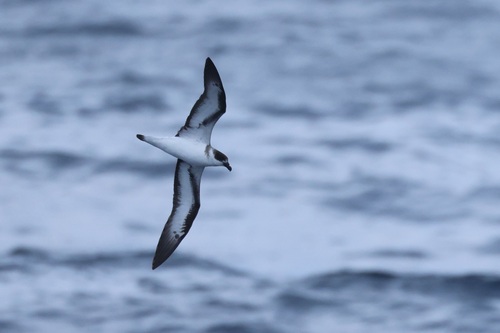
ズグロシロハラミズナギドリ (Pterodroma hasitata) ズグロシロハラミズナギドリ
ハワイシロハラミズナギドリ (Pterodroma sandwichensis) ハワイシロハラミズナギドリ

メディア

読み込み中…

要点

ブラックキャップペトレルとハワイペトレルを区別する最も信頼できるフィールドマークは、ブラックキャップペトレルの目の上または下まで伸びることがある明確な黒いキャップの存在です。これは、他の部分が白い後頭部と尾と対照的です。ハワイペトレルにはこの明確に定義されたキャップがなく、代わりにより均一な暗い灰褐色の頭部と上面を示します。両者は大きく、長い翼を持つガドフライペトレルで、同様の比率ですが、ブラックキャップペトレルは飛行中に明るい白い尾と後頭部を示す傾向があり、ハワイペトレルは全体的により暗く、上面が均一に見えます。フィールドでは、最良の区別のために頭のパターンと上面と尾の対比に焦点を当ててください。特に遠くのまたは速く動く鳥において。

識別のコツ

  1. ブラックキャップ (ブラックキャップペトレル): 目の下まで伸びることがある明確に定義された黒いキャップを探してください。これは、すべての年齢と形態のブラックキャップペトレルにとって最も信頼できるフィールドマークです。
  2. 頭のパターン (ハワイペトレル): ハワイペトレルには明確な黒いキャップがなく、頭部と上面はより均一な暗い灰褐色で、強い対比なしに背中に溶け込んでいます。
  3. 尾と後頭部の対比: ブラックキャップペトレルは明るい白い尾と後頭部を示し、特に飛行中に明らかですが、ハワイペトレルの尾はあまり明確に白くなく、背中とより溶け込んでいます。
  4. 翼の下の模様: 両種は暗い翼の下の模様を持っていますが、これらは情報源で両者の間の診断として説明されていません。
  5. 上面の色: ブラックキャップペトレルは灰褐色の背中と翼を持ち、白い尾を持ち、強い対比を生み出します。ハワイペトレルはより暗く、上面が均一で、すすけた翼と尾を持っています。
  6. 顔のパターン: ブラックキャップペトレルの白い顔の形態でも、キャップは存在します。ハワイペトレルの顔は決してそれほど明確にマークされていません。
  7. 飛行のシルエット: 両者は長い翼を持ち、高い弧を描いて滑空します。シルエットだけでは信頼できる区別にはなりません。
  8. サイズ: ブラックキャップペトレルはわずかに重いですが、これはフィールドで検出可能ではありません。両者は同様に大きく、長い翼を持っているように見えます。
  9. くちばしと足: 利用可能な情報源では診断上の違いは記載されていません。
  10. 鳴き声: 海上での区別には鳴き声は役立ちません。両者は繁殖地から離れるとほとんど静かです。
  11. 生息地と範囲: カリブ海または西大西洋で見られた場合、ブラックキャップペトレルが期待されます。中央太平洋またはハワイ近くではハワイペトレルが期待されます。範囲外の記録は非常に稀ですが可能です。
  12. 巣での行動: 両者は繁殖地で夜行性で秘密主義的であり、巣穴に移動します。これは区別にはなりません。
  13. 色の形態: ブラックキャップペトレルには暗い顔と白い顔の形態がありますが、両者は黒いキャップを保持しています。ハワイペトレルにはそのような変異は見られません。
  14. 幼鳥/未熟な混乱: 両種に特定の年齢に関連する上翼や飛行パターンのマークは記載されていません。すべての年齢で頭と尾の対比に焦点を当ててください。
  15. 落とし穴: 遠くのまたは光が不十分な視界ではキャップや尾の対比が隠れる可能性があります。その場合、範囲と全体的な印象(明確 vs. 均一)がより重要になります。

大きさ

両種は大きなPterodromaペトレルで、長く狭い翼と同様の翼幅を持っています(ブラックキャップペトレル: ~94 cm、ハワイペトレル: ~91 cm)。ブラックキャップペトレルはわずかに重い(体重 ~455 g)ですが、この違いはフィールドで信頼できるようには認識できません。構造的には、両者は長い翼を持ち、頑丈に見え、利用可能な情報源では明確な違いは記載されていません。

羽色

行動

両種は繁殖地で夜行性であり、ほとんどの時間を海で過ごします。飛行中、両者はPterodromaペトレル特有の高く急なバンクの弧を描いて滑空します。利用可能な情報源では、両者の間の採餌や飛行スタイルの違いについては言及されていません。陸上では、両者は不器用で巣穴に移動し、うまく歩くことはありません。

生息環境

ブラックキャップペトレルは西インド諸島、主にヒスパニョーラで繁殖し、カリブ海と西大西洋で海上に見られます。ハワイペトレルはハワイ諸島に特有で、高い火山の斜面で繁殖し、北太平洋全体で広く採餌します。範囲が主な生息地の区別です:ブラックキャップは中央太平洋では決して期待されず、ハワイペトレルはカリブ海では見られません。両者は遠隔地の森林や山の島々の巣穴や岩の隙間に巣を作ります。

声

両種は海上ではほとんど静かです。繁殖地では、ブラックキャップペトレルは夜に奇妙な鳴き声や呼び声で知られ、ハワイペトレルは特徴的なうめき声「ウーアウー」と巣穴でのさまざまな鳴き声、吠え声、悲鳴を発します。これらの鳴き声は海上では聞こえにくく、ほとんどのフィールド状況での区別には役立ちません。

より良い説明を送る

比較と同じ項目を使ってください。文章はすぐに公開されます。

The most reliable field mark to separate Black-capped Petrel from Hawaiian Petrel is the presence of a distinct black cap on the Black-capped Petrel, which often extends to or below the eye, contrasting with its otherwise white nape and rump. Hawaiian Petrel lacks this sharply defined cap, instead showing a more uniformly dark gray-brown head and upperparts. Both are large, long-winged gadfly petrels with similar proportions, but the Black-capped Petrel tends to show a brighter white rump and nape in flight, while the Hawaiian Petrel appears overall duskier and more uniform above. In the field, focus on the head pattern and contrast between upperparts and rump for the best separation, especially in distant or fast-moving birds.

  1. Black cap (Black-capped Petrel): Look for a sharply defined black cap that may extend below the eye, contrasting with a white nape and rump. This is the most reliable field mark for all ages and morphs of Black-capped Petrel.
  2. Head pattern (Hawaiian Petrel): Hawaiian Petrel lacks a distinct black cap; its head and upperparts are more uniformly dark gray-brown, blending into the back without strong contrast.
  3. Rump and nape contrast: Black-capped Petrel shows a bright white rump and nape, especially obvious in flight, while Hawaiian Petrel's rump is less distinctly white and blends more with the back.
  4. Underwing markings: Both species have some dark underwing markings, but these are not described as diagnostic between the two in the sources.
  5. Upperparts color: Black-capped Petrel has a grey-brown back and wings with a white rump, creating a strong contrast; Hawaiian Petrel is duskier and more uniform above, with sooty wings and tail.
  6. Facial pattern: Even in the white-faced morph of Black-capped Petrel, the cap is present; Hawaiian Petrel's face is never as crisply marked.
  7. Flight silhouette: Both are long-winged and glide in high arcs; silhouette alone is not a reliable separator.
  8. Size: Black-capped Petrel is slightly heavier, but this is not field-detectable; both appear similarly large and long-winged.
  9. Bill and feet: No diagnostic differences noted in the available sources.
  10. Vocalizations: Calls are not useful for separation at sea; both are mostly silent away from breeding grounds.
  11. Habitat and range: If seen in the Caribbean or western Atlantic, Black-capped Petrel is expected; in the central Pacific or near Hawaii, expect Hawaiian Petrel. Out-of-range records are extremely rare but possible.
  12. Behavior at nest: Both are nocturnal and secretive at breeding sites, shuffling to burrows; this is not a separator.
  13. Color morphs: Black-capped Petrel has dark-faced and white-faced morphs, but both retain the black cap. Hawaiian Petrel does not show such variation.
  14. Juvenile/immature confusion: No age-specific upperwing or flight pattern marks are described for either species; focus on head and rump contrast for all ages.
  15. Pitfalls: Distant or poor-light views may obscure the cap or rump contrast; in such cases, range and overall impression (crisp vs. uniform) become more important.

Both species are large Pterodroma petrels with long, narrow wings and similar wingspans (Black-capped Petrel: ~94 cm, Hawaiian Petrel: ~91 cm). The Black-capped Petrel is slightly heavier (body mass ~455 g), but this difference is not reliably discernible in the field. Structurally, both appear long-winged and robust, with no strong differences in jizz or silhouette noted in the available sources.

  • Juvenile/immature plumage: No specific age-related upperwing patterns or juvenile/first-winter distinctions are described for either species in the sources, so focus remains on adult-type plumage.
  • Black-capped Petrel: Shows a striking black cap that may reach below the eye, a white nape and rump, and mostly white underparts with some dark underwing markings. The back and wings are grey-brown, creating strong contrast with the white rump and nape in flight. Two color morphs exist (dark-faced and white-faced), but both retain the black cap feature.
  • Hawaiian Petrel: Lacks a sharply defined black cap; the head and upperparts are more uniformly dark gray-brown, with the wings and tail described as sooty. The rump is not as distinctly white, and the overall impression is duskier and less contrasting than Black-capped. Underparts are white, but the head blends more gradually into the upperparts.
  • Key contrast: The Black-capped Petrel's black cap and bright white rump/nape are the best field marks; Hawaiian Petrel is more uniform and lacks the crisp head pattern.

Both species are nocturnal at breeding sites and spend most of their time at sea. In flight, both show high, steeply banked arcs and glides typical of Pterodroma petrels. There is no mention of differences in foraging or flight style between the two in the available sources. On land, both are awkward and shuffle to their burrows, not walking well.

Black-capped Petrel breeds in the West Indies, mainly Hispaniola, and is seen at sea in the Caribbean and western Atlantic. Hawaiian Petrel is endemic to the Hawaiian Islands, breeding on high volcanic slopes and foraging widely across the North Pacific. Range is the main habitat separator: Black-capped is never expected in the central Pacific, and Hawaiian Petrel is not found in the Caribbean. Both nest in burrows or rock crevices on remote, forested or mountainous islands.

Both species are mostly silent at sea. On breeding grounds, Black-capped Petrel is known for odd-sounding croaks and calls at night, while Hawaiian Petrel gives a distinctive moaning "oo-ah-oo" and a variety of yaps, barks, and squeals at burrows. These vocalizations are unlikely to be heard at sea and are not useful for separation in most field situations.

変更を破棄しますか?

保存していない編集があります。今離れると失われます。

ズグロシロハラミズナギドリ · ハワイシロハラミズナギドリ · 苦手な鳥