

Ashy Drongo vs Hair-crested Drongo
Dicrurus leucophaeus contro Dicrurus hottentottus
Fai un quiz con Ashy Drongo e Hair-crested Drongo
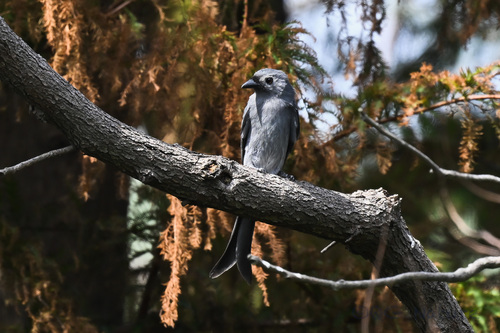 Ashy Drongo
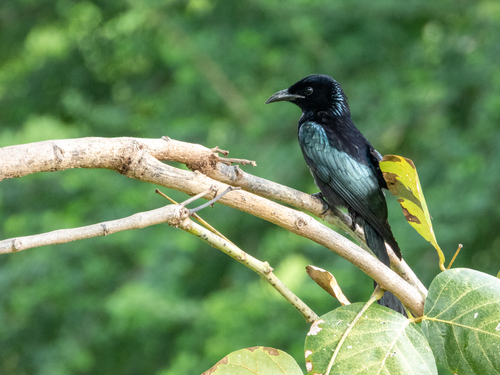 Hair-crested Drongo
In breve
Il modo più affidabile per separare l'Ashy Drongo dall'Hairy-crested Drongo è attraverso il colore e la struttura complessivi: l'Ashy Drongo è un uccello più snello, principalmente di colore grigio scuro (a volte con marcature facciali bianche), mentre l'Hairy-crested Drongo ha un corpo molto più pesante e tipicamente di un nero lucido. La coda dell'Ashy Drongo è lunga, profondamente biforcuta e meno aperta rispetto a quella dell'Hairy-crested, e si posiziona molto eretta quando è appollaiato. Gli Ashy Drongos giovani sono di un grigio-bruno opaco, mai lucido, mentre l'Hairy-crested Drongo è costantemente di un colore nerastro. Se vedi un drongo con una macchia bianca attorno all'occhio o un viso pallido, è un Ashy Drongo. In volo, l'Ashy Drongo appare più snello e privo dell'aspetto pesante e cresta dell'Hairy-crested.
Consigli di identificazione
- Colore complessivo: L'Ashy Drongo è grigio scuro (a volte molto scuro, ma mai veramente nero), mentre l'Hairy-crested Drongo è di un nero lucido. Questo è il segno di campo più consistente per gli adulti.
- Marcature facciali: Se vedi una macchia bianca attorno all'occhio o sul viso, è un Ashy Drongo (non tutti gli Ashy Drongos hanno questo, ma l'Hairy-crested Drongo non lo ha mai).
- Forma della coda: La coda dell'Ashy Drongo è lunga, profondamente biforcuta e meno aperta rispetto a quella dell'Hairy-crested Drongo. Anche la coda dell'Hairy-crested è lunga e biforcuta, ma appare più pesante e più aperta.
- Struttura: L'Ashy Drongo è più snello e più delicato, con una corporatura più leggera e zampe più corte. L'Hairy-crested Drongo è molto più massiccio e pesante.
- Postura in appollaiamento: L'Ashy Drongo si posiziona molto eretto e spesso si appollaia in alto e in modo prominente; l'Hairy-crested Drongo è più pesante e potrebbe non apparire così eretto.
- Piumaggio giovanile: I giovani Ashy Drongos sono di un grigio-bruno opaco, mai nerastro o lucido. Se vedi un drongo immaturo di colore bruno, è un Ashy Drongo. Gli immaturi dell'Hairy-crested Drongo non sono descritti come bruni.
- Lucentezza: L'Ashy Drongo manca della lucentezza blu-nera dell'Hairy-crested Drongo. Se l'uccello appare lucido o scintillante, non è un Ashy Drongo.
- Colore dell'iride: L'Ashy Drongo ha un'iride cremisi (almeno nel gruppo indiano longicaudatus), mentre il colore dell'iride per l'Hairy-crested Drongo non è descritto; usare con cautela.
- Macchia rictale bianca: L'Ashy Drongo manca di una macchia rictale bianca; non è descritta per l'Hairy-crested Drongo, quindi non è fortemente diagnostica.
- Silhouette in volo: L'Ashy Drongo appare più snello e meno cresta in volo, con una coda più lunga e più stretta. L'Hairy-crested Drongo appare più pesante e potrebbe mostrare un contorno più cresta.
- Voce: Se senti un 'drangh gip' nasale e squillante o la mimica di altri uccelli, è probabile che sia un Ashy Drongo. La voce dell'Hairy-crested Drongo non è descritta qui.
- Habitat: Nei boschi collinari, specialmente in inverno o durante la migrazione, è più probabile vedere un Ashy Drongo. L'habitat dell'Hairy-crested Drongo non è specificato, quindi usa questo solo come prova di supporto.
- Dimensione del gruppo: L'Ashy Drongo è solitamente visto singolarmente o in piccoli gruppi, a volte in piccoli stormi durante la migrazione. Le abitudini sociali dell'Hairy-crested Drongo non sono descritte, quindi questo è solo debolmente diagnostico.
- Impressione di dimensione: Se l'uccello appare molto robusto e pesante, sospetta l'Hairy-crested Drongo; se è snello e delicato, sospetta l'Ashy Drongo.
- Attenzione alla variazione delle sottospecie: Alcuni Ashy Drongos (ad es., longicaudatus) sono molto scuri e possono apparire quasi neri, ma controlla sempre per una corporatura più snella, mancanza di lucentezza e possibili marcature facciali bianche.
Taglia
L'Ashy Drongo è significativamente più leggero (38g) rispetto all'Hairy-crested Drongo (77g) [wikidata], rendendo quest'ultimo quasi due volte più pesante. Questa differenza di dimensione è spesso evidente sul campo: l'Hairy-crested Drongo appare più massiccio e robusto, mentre l'Ashy Drongo è visibilmente più snello e delicato nel complesso. La lunghezza della coda è lunga in entrambi, ma quella dell'Ashy Drongo è proporzionalmente più lunga e meno aperta.
Piumaggio
- Uccelli giovanili/immaturi: Gli immaturi dell'Ashy Drongo sono di un grigio-bruno opaco, privi di lucentezza, mentre gli immaturi dell'Hairy-crested Drongo non sono descritti come bruni e sono generalmente nerastri fin da una giovane età. Non è notato alcun modello distintivo della parte superiore dell'ala per nessuna delle due specie nelle fonti.
- Adulti: L'Ashy Drongo è principalmente di colore grigio scuro (l'ombra varia a seconda della sottospecie), a volte con macchie bianche attorno all'occhio o al viso (notabilmente in alcune forme del sud-est asiatico). La sua coda è lunga, profondamente biforcuta e meno aperta rispetto a quella dell'Hairy-crested. L'Hairy-crested Drongo è di un nero lucido nel complesso, con un aspetto più pesante e robusto e un aspetto distintivo 'hair-crested' (non descritto in dettaglio nelle fonti, ma implicato dal nome e dal contrasto con l'Ashy Drongo). L'Ashy Drongo manca della lucentezza blu-nera dell'Hairy-crested e non appare mai veramente nera.
- Marcature facciali: Solo l'Ashy Drongo mostra bianco sul viso o attorno all'occhio in alcune sottospecie; l'Hairy-crested Drongo non lo fa mai.
Comportamento
L'Ashy Drongo tende a posarsi molto eretto e in modo prominente, spesso in alto sugli alberi, e si nutre lanciandosi per insetti o raccogliendo dai tronchi. Di solito è visto singolarmente, in coppie o in piccoli gruppi, e le popolazioni migratorie possono formare piccoli stormi. Il comportamento dell'Hairy-crested Drongo non è dettagliato nelle fonti, ma è generalmente più robusto e potrebbe apparire più pesante in volo e a riposo.
Habitat
L'Ashy Drongo predilige le foreste alte ed è particolarmente affezionato alle foreste collinari in inverno. È più probabile trovarlo in habitat montani o boschivi, specialmente durante la migrazione. L'habitat dell'Hairy-crested Drongo non è descritto nelle note fornite, quindi l'habitat è solo debolmente diagnostico a meno che tu non sia in un'area di svernamento nota per l'Ashy Drongo.
Voce
Il richiamo dell'Ashy Drongo è descritto come un 'drangh gip' nasale e squillante o 'gip-gip-drangh.' È anche un abile mimetista, a volte imitando le note fischianti di altri uccelli come l'iora comune. Nessun dettaglio vocale è fornito per l'Hairy-crested Drongo nelle fonti, quindi la voce è utile solo se senti il distintivo richiamo o la mimica dell'Ashy Drongo.
Ashy Drongo · Hair-crested Drongo · I miei uccelli difficili