

Graudrongo vs Haarbuschdrongo
Dicrurus leucophaeus gegen Dicrurus hottentottus
Ein Quiz mit Graudrongo und Haarbuschdrongo spielen
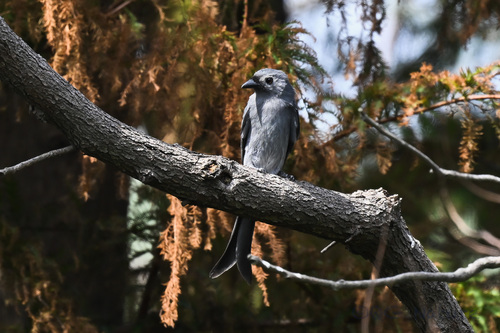 Graudrongo
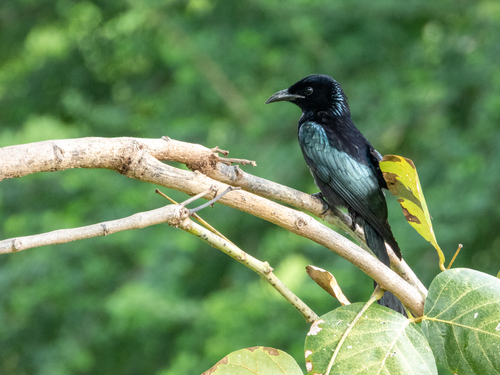 Haarbuschdrongo
Kurz gesagt
Die zuverlässigste Möglichkeit, Graudrongo von Haarbuschdrongo zu unterscheiden, ist die allgemeine Farbe und Struktur: Graudrongo ist ein schlanker, hauptsächlich dunkelgrauer Vogel (manchmal mit weißen Gesichtsmarkierungen), während Haarbuschdrongo einen viel schwereren Körper hat und typischerweise glänzender schwarz ist. Der Schwanz des Graudrongo ist lang, tief gegabelt und weniger gespreizt als der von Haarbuschdrongo, und er sitzt sehr aufrecht, wenn er sitzt. Juvenile Graudrongos sind matt braun-grau, niemals glänzend, während Haarbuschdrongo konstant schwärzlich ist. Wenn Sie einen Drongo mit einem weißen Augenfleck oder einem blassen Gesicht sehen, ist es ein Graudrongo. Im Flug wirkt Graudrongo schlanker und hat nicht das schwere, gekrönte Aussehen von Haarbuschdrongo.
Bestimmungstipps
- Allgemeine Farbe: Graudrongo ist dunkelgrau (manchmal sehr dunkel, aber niemals wirklich schwarz), während Haarbuschdrongo glänzend schwarz ist. Dies ist das konsistenteste Feldmerkmal für Erwachsene.
- Gesichtsmarkierungen: Wenn Sie einen weißen Fleck um das Auge oder im Gesicht sehen, ist es Graudrongo (nicht alle Graudrongos haben dies, aber Haarbuschdrongo hat es niemals).
- Schwanzform: Der Schwanz des Graudrongo ist lang, tief gegabelt und weniger gespreizt als der von Haarbuschdrongo. Der Schwanz von Haarbuschdrongo ist ebenfalls lang und gegabelt, wirkt aber schwerer und gespreizter.
- Struktur: Graudrongo ist schlanker und zarter, mit einer leichteren Statur und kürzeren Beinen. Haarbuschdrongo ist viel massiver und schwerer.
- Sitzhaltung: Graudrongo sitzt sehr aufrecht und sitzt oft hoch und prominent; Haarbuschdrongo ist schwerer und wirkt möglicherweise nicht so aufrecht.
- Juveniles Gefieder: Junge Graudrongos sind matt braun-grau, niemals schwärzlich oder glänzend. Wenn Sie einen braunartigen unreifen Drongo sehen, ist es Graudrongo. Haarbuschdrongo-Jungvögel werden nicht als braunartig beschrieben.
- Glanz: Graudrongo fehlt der blau-schwarze Glanz von Haarbuschdrongo. Wenn der Vogel glänzend oder gefleckt aussieht, ist es kein Graudrongo.
- Irisfarbe: Graudrongo hat eine karminrote Iris (zumindest in der indischen longicaudatus-Gruppe), während die Irisfarbe von Haarbuschdrongo nicht beschrieben ist; mit Vorsicht verwenden.
- Weißer Rictal-Fleck: Graudrongo hat keinen weißen Rictal-Fleck; für Haarbuschdrongo nicht beschrieben, daher nicht stark diagnostisch.
- Flug-Silhouette: Graudrongo erscheint im Flug schlanker und weniger gekrönt, mit einem längeren, schmaleren Schwanz. Haarbuschdrongo sieht schwerer aus und kann eine gekröntere Silhouette zeigen.
- Stimme: Wenn Sie einen nasalen, zwitschernden 'drangh gip' oder Nachahmungen anderer Vögel hören, ist es wahrscheinlich Graudrongo. Die Stimme von Haarbuschdrongo wird hier nicht beschrieben.
- Lebensraum: In Hügelwäldern, insbesondere im Winter oder während der Migration, ist Graudrongo wahrscheinlicher. Der Lebensraum von Haarbuschdrongo ist nicht spezifiziert, daher verwenden Sie dies nur als unterstützenden Beweis.
- Gruppengröße: Graudrongo wird normalerweise einzeln oder in kleinen Gruppen gesehen, manchmal in kleinen Schwärmen während der Migration. Die sozialen Gewohnheiten von Haarbuschdrongo sind nicht beschrieben, daher ist dies nur schwach diagnostisch.
- Größeindruck: Wenn der Vogel sehr robust und schwer erscheint, vermuten Sie Haarbuschdrongo; wenn schlank und zart, vermuten Sie Graudrongo.
- Achten Sie auf Unterartenvariation: Einige Graudrongos (z.B. longicaudatus) sind sehr dunkel und können fast schwarz aussehen, aber überprüfen Sie immer die schlankere Statur, den Mangel an Glanz und mögliche weiße Gesichtsmarkierungen.
Größe
Graudrongo ist signifikant leichter (38g) als Haarbuschdrongo (77g) [wikidata], was letzterem fast doppelt so schwer macht. Dieser Größenunterschied ist oft im Feld offensichtlich: Haarbuschdrongo erscheint massiver und robuster, während Graudrongo insgesamt deutlich schlanker und zarter ist. Die Schwanzlänge ist bei beiden lang, aber der Schwanz des Graudrongo ist verhältnismäßig länger und weniger gespreizt.
Gefieder
- Juvenile/unreife Vögel: Graudrongo-Jungvögel sind matt braun-grau, ohne Glanz, während Haarbuschdrongo-Jungvögel nicht als braunartig beschrieben werden und im Allgemeinen von früh an schwärzlich sind. Für keine der beiden Arten wird ein charakteristisches Oberflügelmuster in den Quellen erwähnt.
- Erwachsene: Graudrongo ist hauptsächlich dunkelgrau (der Farbton variiert je nach Unterart), manchmal mit weißen Flecken um das Auge oder Gesicht (insbesondere bei einigen südostasiatischen Formen). Sein Schwanz ist lang, tief gegabelt und weniger gespreizt als der von Haarbuschdrongo. Haarbuschdrongo ist insgesamt glänzend schwarz, mit einem schwereren, robusteren Aussehen und einem charakteristischen 'haarbuschigen' Aussehen (in den Quellen nicht detailliert beschrieben, aber durch den Namen und den Kontrast zu Graudrongo angedeutet). Graudrongo fehlt der blau-schwarze Glanz von Haarbuschdrongo und erscheint niemals wirklich schwarz.
- Gesichtsmarkierungen: Nur Graudrongo zeigt Weiß im Gesicht oder um das Auge in einigen Unterarten; Haarbuschdrongo tut dies niemals.
Verhalten
Graudrongo neigt dazu, sehr aufrecht und prominent zu sitzen, oft hoch in Bäumen, und sucht nach Insekten, indem er herausfliegt oder von Stämmen abliest. Er wird normalerweise einzeln, in Paaren oder kleinen Gruppen gesehen, und wandernde Populationen können kleine Schwärme bilden. Das Verhalten von Haarbuschdrongo wird in den Quellen nicht detailliert beschrieben, aber er ist im Allgemeinen robuster und kann im Flug und im Ruhezustand schwerer erscheinen.
Lebensraum
Graudrongo bevorzugt hohe Wälder und ist besonders im Winter an Hügelwäldern interessiert. Er ist wahrscheinlicher in Hochland- oder bewaldeten Lebensräumen zu finden, insbesondere während der Migration. Der Lebensraum von Haarbuschdrongo ist in den bereitgestellten Notizen nicht beschrieben, daher ist der Lebensraum nur schwach diagnostisch, es sei denn, Sie befinden sich in einem bekannten Überwinterungsgebiet von Graudrongo.
Stimme
Der Ruf von Graudrongo wird als nasales, zwitscherndes 'drangh gip' oder 'gip-gip-drangh' beschrieben. Er ist auch ein geschickter Nachahmer und imitiert manchmal die pfeifenden Töne anderer Vögel wie den gewöhnlichen Iora. Keine vokalen Details werden für Haarbuschdrongo in den Quellen angegeben, daher ist die Stimme nur hilfreich, wenn Sie den charakteristischen Ruf oder die Nachahmung von Graudrongo hören.