

Pijuí Ceniciento vs Pijuí Coronirrojo
Synallaxis cinerascens frente a Synallaxis ruficapilla
Juega un quiz con Pijuí Ceniciento y Pijuí Coronirrojo
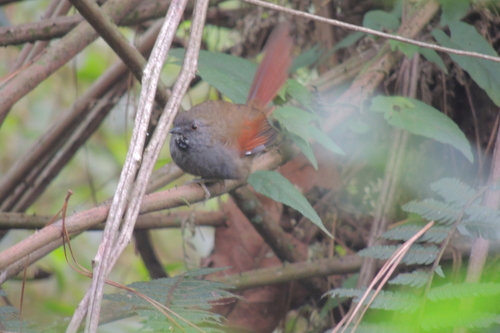 Pijuí Ceniciento
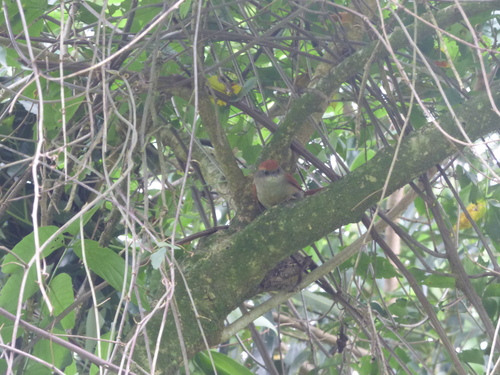 Pijuí Coronirrojo
En breve
La marca de campo más confiable para separar el Pijuí Ceniciento del Pijuí Coronirrojo es el patrón de la cabeza: el Pijuí Ceniciento tiene una corona oscura, marrón grisáceo que se mezcla con una cara marrón grisácea con lore negro y solo una débil línea gris detrás del ojo, mientras que el Pijuí Coronirrojo muestra una corona y nuca de un brillante color naranja-rufous con un supercilio color crema audaz. Las diferencias juveniles son sutiles pero presentes, con el Pijuí Ceniciento mostrando un parche de garganta menos distintivo y el Pijuí Coronirrojo una corona más apagada. Ambas especies tienen colas y alas castañas, pero los patrones de las partes inferiores y la garganta difieren. Las preferencias de hábitat y la altura de forrajeo también pueden ayudar, ya que el Pijuí Ceniciento prefiere interiores de bosques densos y forrajeo más bajo, mientras que el Pijuí Coronirrojo se encuentra más a menudo en los bordes del bosque y en cañaverales.
Consejos de identificación
- Color y patrón de la corona (todas las edades): El Pijuí Coronirrojo siempre muestra una brillante corona y nuca de color naranja-rufous, contrastando fuertemente con el resto de la cabeza. El Pijuí Ceniciento tiene una corona y frente marrón grisáceo oscuro, que se mezcla con la cara, nunca es de un brillante color rufous.
- Supercilio (adultos y la mayoría de los juveniles): El Pijuí Coronirrojo tiene un amplio supercilio color crema que destaca en perfil. El Pijuí Ceniciento carece de un fuerte supercilio, mostrando solo una débil línea gris detrás del ojo.
- Lores y cara: El Pijuí Ceniciento tiene lores negros y una cara marrón grisácea, mientras que los lores y cobertores auriculares del Pijuí Coronirrojo son de un marrón grisáceo oscuro pero menos contrastantes debido al audaz supercilio.
- Patrón de la garganta: El Pijuí Ceniciento muestra un mentón blanquecino, la parte superior de la garganta moteada de negro y gris pálido, y una parte inferior de la garganta negra sólida. El Pijuí Coronirrojo tiene un pequeño punto de mentón color canela (a veces ausente en juveniles), con el resto del mentón y la garganta blanquecinos y débilmente estriados de gris—nunca completamente negros.
- Partes inferiores: Las partes inferiores del Pijuí Ceniciento son principalmente de un gris marrón con un centro de vientre más pálido y grisáceo y flancos/cola más marrones. El Pijuí Coronirrojo es más pálido y color crema por debajo, especialmente en el vientre y el pecho inferior.
- Estructura de la cola: Ambos tienen colas castañas, pero la del Pijuí Ceniciento es más oscura, con puntas espinosas (las puntas de las plumas carecen de barbas), mientras que la cola del Pijuí Coronirrojo es graduada y las plumas son puntiagudas pero no espinosas.
- Diferencias juveniles: El juvenil Pijuí Ceniciento muestra un parche de garganta menos distintivo y más moteado por debajo; los juveniles del Pijuí Coronirrojo tienen una corona más apagada, poco o ningún punto de mentón, y un lavado más marrón en las partes inferiores. Estas son sutiles y se deben usar mejor en combinación con el patrón de la cabeza.
- Color de las alas: Ambos tienen alas castañas o castañas rojizas, no son un fuerte separador.
- Color del pico: Ambas especies tienen un pico negro, con el Pijuí Coronirrojo mostrando a veces una mandíbula gris con una punta oscura; no es una marca de campo confiable.
- Iris y patas: Ambos tienen iris marrón rojizo y patas/pies gris verdoso; no son útiles para la separación.
- Altura y contexto de forrajeo: Es más probable que el Pijuí Ceniciento se vea en o cerca del suelo en interiores de bosques densos, mientras que el Pijuí Coronirrojo se encuentra a menudo más alto en el sotobosque, en los bordes, o en cañaverales, y es más probable que se una a bandadas mixtas.
- Hábitat: Si se ve en cañaverales o en el borde del bosque, es más probable que sea un Pijuí Coronirrojo; un bosque interior profundo con poco bambú sugiere un Pijuí Ceniciento.
- Voz: Escuche la canción muy alta y de dos notas del Pijuí Ceniciento frente a la canción más baja, trilled o rattled del Pijuí Coronirrojo. Si solo se escuchan llamadas, use con precaución.
- Distribución: Ambas especies se superponen ampliamente, pero solo el Pijuí Ceniciento se encuentra en Uruguay.
- Tamaño y estructura: Ambas son similares en tamaño y masa; la estructura no es un separador confiable en el campo.
Para obtener los mejores resultados, concéntrese en el color de la corona y el supercilio, luego en la garganta y las partes inferiores, y finalmente en el hábitat y el contexto de forrajeo. Las aves juveniles se identifican mejor por el patrón de la cabeza y las diferencias sutiles en la garganta y las partes inferiores.
Tamaño
Ambas especies son muy cercanas en tamaño y masa, con el Pijuí Ceniciento promediando 13.8 g y el Pijuí Coronirrojo 14.0 g [wikidata]. La longitud se superpone: el Pijuí Ceniciento mide 13.5–15 cm, el Pijuí Coronirrojo 13–17 cm [wikipedia]. En el campo, el tamaño no es un separador confiable.
Plumaje
- Juveniles: Los juveniles del Pijuí Ceniciento tienen un parche de garganta menos distintivo y partes inferiores más pálidas y moteadas. Los juveniles del Pijuí Coronirrojo muestran una corona más apagada (menos naranja), poco o ningún punto de mentón, y un lavado ocre o marrón por debajo. Estas diferencias son sutiles y se ven mejor a corta distancia.
- Adultos: El Pijuí Ceniciento tiene una frente y corona de un marrón grisáceo oscuro, lores negros, una débil línea gris detrás del ojo, y una cara marrón grisácea. La garganta está moteada de negro y gris pálido arriba, negra abajo, y las partes inferiores son de un gris marrón con un centro de vientre más pálido y grisáceo. El Pijuí Coronirrojo tiene una brillante corona y nuca de color naranja-rufous, un amplio supercilio color crema, lores y cobertores auriculares de un marrón grisáceo oscuro, y un pequeño punto de mentón color canela. Su garganta es mayormente blanquecina con débiles estrías grises, y las partes inferiores son de un marrón más pálido y color crema. Ambos tienen colas y alas castañas, pero la cola del Pijuí Ceniciento es más oscura y con puntas espinosas, mientras que la del Pijuí Coronirrojo es graduada y puntiaguda.
Comportamiento
Ambas especies forrajean en parejas y principalmente obtienen artrópodos de la vegetación baja. El Pijuí Ceniciento tiende a permanecer más cerca del suelo (en el suelo o hasta 2 m), mientras que el Pijuí Coronirrojo forrajea en el sotobosque y a veces en el medio sotobosque, a menudo uniéndose a bandadas de especies mixtas. El Pijuí Coronirrojo también forrajea con más frecuencia en cañaverales y es más probable que se vea en los bordes del bosque.
Hábitat
El Pijuí Ceniciento se encuentra más a menudo en el interior de bosques densos de coníferas y de montaña y en bosques secundarios maduros, evitando los bordes. El Pijuí Coronirrojo es más flexible, habitando el sotobosque y los bordes de varios tipos de bosques, tanto primarios como secundarios, y está fuertemente asociado con el bambú Chusquea. Ambas especies se superponen en su distribución (Argentina, Brasil, Paraguay), pero el Pijuí Ceniciento se extiende a Uruguay y está más restringido a bosques interiores, mientras que el Pijuí Coronirrojo es más probable que se encuentre en bordes y parches de bambú.
Voz
El Pijuí Ceniciento emite un 'weeet-sweet' muy alto y penetrante, con la primera nota más alta que la segunda. La canción del Pijuí Coronirrojo es más variada y de tono más bajo, descrita como un rápido nasal 'di-di-di-réét', 'tdrrrWit', o un 'drrrrrt wee' suave e insistente, con un distintivo trino de tono bajo o un seco golpe como llamada. Estas diferencias son útiles si la canción se escucha claramente, pero ambas pueden pasarse por alto en bandadas mixtas.