

Copetón Viajero vs Copetón Tiranillo
Myiarchus crinitus frente a Myiarchus tyrannulus
Juega un quiz con Copetón Viajero y Copetón Tiranillo
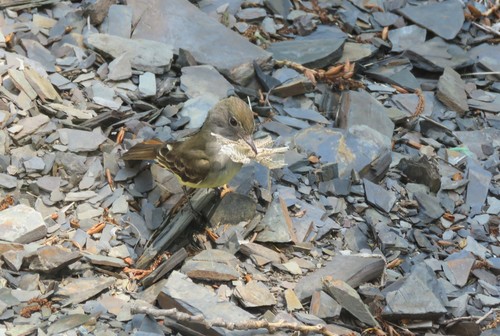 Copetón Viajero
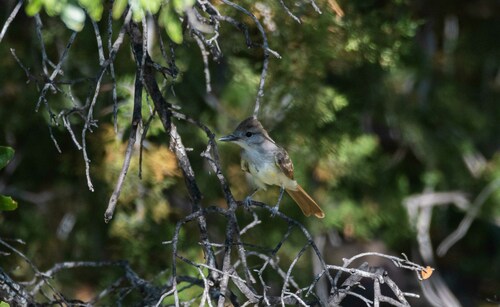 Copetón Tiranillo
En breve
La marca de campo más confiable para separar el Copetón Viajero del Copetón Tiranillo es el color y patrón de la cola y los bordes de las alas: el Copetón Viajero muestra una cola larga y rica en rufous y menos rufous en las alas, mientras que el Copetón Tiranillo (especialmente la subespecie del suroeste de EE. UU.) tiene una cola más oscura con rufous principalmente en las plumas internas y un borde rufous más extenso en las alas. Ambas especies tienen vientres amarillos y pechos grises, pero diferencias sutiles en el color de la corona y la cara, así como el contraste de las barras alares, ayudan en buena luz. La estructura y el tamaño pueden superponerse, pero el Copetón Tiranillo es generalmente más robusto y con un pico más grande, especialmente en el suroeste de EE. UU. La voz es distintiva pero no siempre se escucha. Presta atención a la variación regional en el Copetón Tiranillo, que puede complicar la identificación en zonas de superposición.
Consejos de identificación
- Color y patrón de la cola: El Copetón Viajero muestra una cola larga y rica en rufous arriba y abajo, mientras que la cola del Copetón Tiranillo es más oscura (marrón grisáceo a negro marrón) con rufous limitado a las plumas internas excepto el par más interno. Esto es más confiable en adultos y jóvenes mayores.
- Rufous en las alas: El Copetón Tiranillo tiene un borde rufous más extenso en las alas, especialmente en todas menos las primarias más externas. El rufous del Copetón Viajero es menos pronunciado y principalmente limitado a la cola.
- Barras alares: El Copetón Tiranillo a menudo muestra dos barras alares pálidas y más contrastantes (cobertoras mayores y medianas), mientras que las barras alares del Copetón Viajero son más pálidas pero menos definidas.
- Corona y cara: El Copetón Tiranillo (especialmente M. t. magister/cooperi) tiene una corona marrón grisácea con ejes de plumas más oscuros y una cara de gris medio; la corona del Copetón Viajero es marrón y menos marcada, con una cresta espesa.
- Partes superiores: El Copetón Viajero es marrón arriba; el Copetón Tiranillo es de un gris marrón más claro a gris oliva oscuro, a veces con un tinte rufous en las cobertoras de la cola. Algunas subespecies de Copetón Tiranillo son más oscuras en general.
- Garganta y pecho: Ambas tienen gargantas y pechos grises, pero el gris del Copetón Tiranillo puede ser más pálido y extenderse a los lados; el gris del Copetón Viajero está más claramente demarcado del vientre amarillo.
- Vientre: Ambas especies tienen vientres amarillos brillantes, pero el Copetón Tiranillo puede mostrar un lavado gris claro en los lados.
- Pico: El Copetón Tiranillo (especialmente en EE. UU.) tiene un pico más robusto y largo, a veces con una base más pálida; el pico del Copetón Viajero es completamente oscuro y ligeramente más delgado.
- Tamaño y estructura: El Copetón Tiranillo es generalmente más grande y robusto, especialmente en el suroeste de EE. UU. (M. t. magister), pero ten cuidado con la superposición con subespecies más pequeñas de Copetón Tiranillo más al sur. El Copetón Viajero es ligeramente más pequeño y más delgado en general.
- Color del iris: El Copetón Tiranillo generalmente tiene un iris marrón; el color del iris del Copetón Viajero es menos distintivo en el campo.
- Piernas y pies: Ambas especies tienen piernas y pies negros; no es una marca de campo útil.
- Vocalizaciones: El fuerte 'whee-eep' del Copetón Viajero es distintivo y no es igualado por el Copetón Tiranillo. Usa la voz como un separador principal cuando se escuche.
- Hábitat: En EE. UU., el Copetón Viajero se encuentra en bosques orientales, el Copetón Tiranillo en bosques áridos del suroeste y zonas ribereñas. La superposición es rara pero posible en Texas/norte de México.
- Comportamiento: Ambos saltan desde perchas altas, pero el Copetón Tiranillo puede parecer más robusto y deliberado. No es un separador fuerte.
- Variación de subespecies: Ten en cuenta que las subespecies de Copetón Tiranillo más al sur pueden ser más pequeñas y más oscuras, complicando la identificación. Concéntrate en el rufous de la cola y las alas, y la voz, en zonas de superposición.
Tamaño
El Copetón Viajero promedia 17–21 cm de longitud con una envergadura de alrededor de 34 cm y pesa 27–40 g. El Copetón Tiranillo es generalmente más grande, especialmente en el suroeste de EE. UU. (M. t. magister), alcanzando 18–23 cm y 36–54 g, pero otras subespecies pueden ser tan pequeñas como 21 g. En EE. UU., el Copetón Tiranillo suele ser más robusto y con un pico más largo, pero la superposición de tamaño es posible, especialmente con subespecies más pequeñas de Copetón Tiranillo más al sur. Ambas especies muestran poco o ningún dimorfismo sexual en tamaño.
Plumaje
- Plumaje juvenil/inmaduro: No se describen diferencias específicas de patrón de ala superior por edad en las fuentes para ninguna de las especies, por lo que el enfoque está en aves similares a adultos.
- Adultos: El Copetón Viajero tiene partes superiores marrón, una cresta espesa y una cola larga que es rica en rufous arriba y abajo. Las alas son marrones con solo un borde rufous modesto, y las barras alares no son fuertemente contrastantes. La garganta y el pecho son grises, claramente separados del vientre amarillo brillante. El Copetón Tiranillo (M. t. magister y M. t. cooperi) tiene una corona marrón grisácea con ejes más oscuros, una cara de gris medio y partes superiores que son de gris marrón claro a gris oliva oscuro, a menudo con un tinte rufous en las cobertoras de la cola. La cola es más oscura (marrón gris oscuro a negro marrón) con rufous solo en las plumas internas excepto el par más interno, y las alas muestran un borde rufous más extenso y dos barras alares pálidas, a menudo más contrastantes. El pecho inferior y el vientre son amarillos brillantes, pero los lados pueden tener un lavado gris. La variación de subespecies en el Copetón Tiranillo puede afectar el color de la cola y las partes superiores, con algunas (por ejemplo, M. t. cozumelae) siendo más oscuras y marrones en general.
Comportamiento
Ambas especies son nidificadoras en cavidades y pasan la mayor parte de su tiempo en el dosel medio a superior, rara vez bajando al suelo. El Copetón Viajero es más probable que se vea saltando desde perchas altas en bosques orientales, mientras que el Copetón Tiranillo a menudo se asocia con hábitats más abiertos o áridos (incluyendo cactus en el suroeste). Ambas son cazadoras activas, pero el Copetón Tiranillo puede parecer ligeramente más robusto y deliberado en postura. Ambas especies son monógamas socialmente y ambos sexos participan en la selección del sitio del nido, aunque la construcción del nido es mayormente realizada por la hembra.
Hábitat
El Copetón Viajero se encuentra en bosques deciduos o mixtos maduros del este y medio oeste de América del Norte, a menudo en las copas de los árboles. El Copetón Tiranillo ocupa un rango más amplio, incluyendo bosques áridos, zonas ribereñas, bosques abiertos e incluso grandes cactus en el suroeste de EE. UU. y hacia el sur a través de América Central y del Sur. En EE. UU., el Copetón Tiranillo es más probable que se encuentre en el suroeste, mientras que el Copetón Viajero es una especie del este. La superposición es rara pero posible en Texas y el norte de México.
Voz
El Copetón Viajero emite un fuerte 'whee-eep' ascendente y una canción de amanecer de tres partes con dos silbidos y un suave churr. Otros llamados incluyen un rápido 'huit, huit, huit' de emoción y raspados ásperos de alarma. El Copetón Tiranillo tiene una voz diferente (no detallada en las notas proporcionadas), pero generalmente se describe en otras fuentes como de tono más bajo y menos enfático que el Copetón Viajero. En el campo, el 'whee-eep' del Copetón Viajero es un fuerte separador si se escucha.