

Ticotico Cabecinegro vs Ticotico Cejiblanco
Philydor atricapillus frente a Anabacerthia amaurotis
Juega un quiz con Ticotico Cabecinegro y Ticotico Cejiblanco
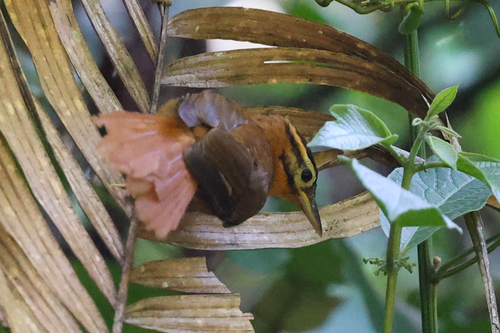 Ticotico Cabecinegro
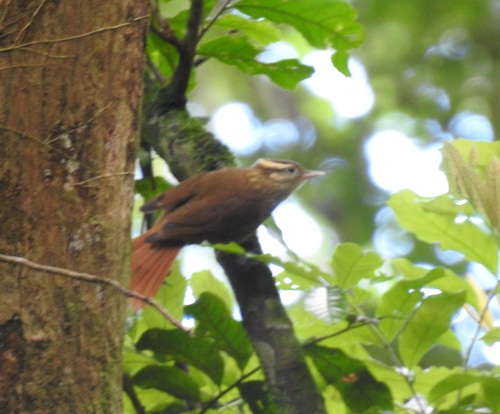 Ticotico Cejiblanco
En breve
La marca de campo más confiable entre Ticotico Cabecinegro y Ticotico Cejiblanco es el dramático patrón facial: Ticotico Cabecinegro muestra un anillo ocular y supercilio de color buff pálido, ancho y audaz, con una banda marrón negruzca detrás del ojo, mientras que Ticotico Cejiblanco tiene un supercilio buff-blanco ancho pero una cara menos contrastante y estriada. Ticotico Cabecinegro es ligeramente más grande y de un rufo más rico por debajo, con un cuerpo inferior de un rufo naranja liso, en comparación con el pecho estriado y marrón más pálido del Ticotico Cejiblanco y su garganta cremosa. En vuelo o posado, la cola y las cobertoras de la parte superior del Ticotico Cabecinegro, de un rufo naranja más brillante, destacan frente a los tonos marrones más apagados y rufo del Ticotico Cejiblanco. Ambas especies tienen una estructura similar, pero el color del pico y las marcas faciales son clave en vistas con binoculares.
Consejos de identificación
- El patrón facial es el separador más rápido: Ticotico Cabecinegro muestra un anillo ocular y supercilio de color buff pálido, ancho y audaz (naranja-rufoso hacia la parte trasera), con una banda marrón negruzca afilada detrás del ojo y cobertoras de oído buff pálido distintas bordeadas de marrón negruzco. El supercilio del Ticotico Cejiblanco es ancho y buff-blanco, pero la cara está menos marcada, con solo un leve bigote marrón y un ligero moteado/estriado.
- Coloración de las partes inferiores: Ticotico Cabecinegro es liso, de un rico rufo naranja oscuro desde la garganta hasta el vientre, con flancos solo ligeramente más apagados. Ticotico Cejiblanco tiene una garganta cremosa blanquecina, un pecho marrón claro con amplias pero borrosas rayas buff pálido, y un vientre marrón claro sin estrías. Si ves estrías en el pecho, favorece al Ticotico Cejiblanco.
- Cola y cobertoras de la parte superior: La cola y las cobertoras de la parte superior del Ticotico Cabecinegro son de un brillante rufo naranja, a menudo luciendo más vibrantes y uniformes. La cola del Ticotico Cejiblanco es rufo pero menos brillante, y las puntas de las plumas pueden mostrar ejes desnudos, dando un aspecto ligeramente más desaliñado.
- Cima y nuca: La cima del Ticotico Cabecinegro es marrón oscuro con manchas y rayas centrales tenues; la del Ticotico Cejiblanco es marrón, con plumas blancas bordeadas de negro en el centro de la espalda y un collar estrecho de buff pálido en los lados del cuello.
- Sombra de las partes superiores: La espalda del Ticotico Cabecinegro es de un rufo-marrón más rico, mientras que la del Ticotico Cejiblanco es de un marrón más medio; las cobertoras de la parte superior son más brillantes en el Ticotico Cabecinegro.
- Color del pico: Ticotico Cabecinegro tiene una mandíbula superior negruzca y una inferior de color gris pálido/verdoso, mientras que el pico del Ticotico Cejiblanco es de cuerno pálido con algo de gris pálido. Esto es sutil pero puede ayudar en buena luz.
- Marcas juveniles/inmaduras: Si ves un ave con bordes marrón oscuro en las plumas de las partes inferiores, es un juvenil Ticotico Cabecinegro. Los juveniles del Ticotico Cejiblanco no están descritos pero probablemente se asemejan a los adultos.
- Patrón del pecho: Las partes inferiores lisas (excepto por un leve moteado juvenil) apuntan al Ticotico Cabecinegro; amplias y borrosas rayas buff pálido en el pecho apuntan al Ticotico Cejiblanco.
- Color de la garganta: Garganta de un ligero rufo naranja en el Ticotico Cabecinegro frente a una garganta cremosa blanquecina en el Ticotico Cejiblanco.
- Color de las patas: Las patas del Ticotico Cabecinegro son de un amarillo ocre más pálido a gris olivo; las del Ticotico Cejiblanco son de un crema marrón a olivo, pero esto rara vez es visible en el campo.
- Vocalización: Si escuchas un trino agudo y descendente de 6–8 notas altas, es Ticotico Cabecinegro. La falta de descripción vocal para el Ticotico Cejiblanco significa que el silencio no es diagnóstico.
- Tamaño y estructura: Ticotico Cabecinegro es ligeramente más grande y largo, pero esta no es una marca de campo confiable a menos que ambos estén juntos.
- Hábitat: Ambos pueden ocurrir en el Bosque Atlántico, pero el Ticotico Cejiblanco está más restringido a este bioma; el Ticotico Cabecinegro puede encontrarse en un rango más amplio, incluyendo regiones adyacentes.
- Patrón de alas: No se describen marcas distintivas específicas de edad en las alas superiores para ninguna de las especies; en su lugar, observa los patrones faciales y de las partes inferiores.
- Contexto: Si estás en un Bosque Atlántico maduro y no perturbado, considera al Ticotico Cejiblanco, pero no te bases solo en el hábitat para la separación.
Tamaño
Ticotico Cabecinegro es marginalmente más grande (16–17 cm, 22 g) que Ticotico Cejiblanco (15–16 cm, sin masa dada pero ligeramente más corto en longitud). Esta diferencia es sutil en el campo y no suele ser diagnóstica a menos que ambos se vean uno al lado del otro. Ambos son ticoticos de tamaño mediano con proporciones similares.
Plumaje
- Marcas juveniles/inmaduras: Los juveniles de Ticotico Cabecinegro son como los adultos pero tienen bordes marrón oscuro en las plumas de las partes inferiores, lo que puede hacer que las partes inferiores parezcan ligeramente más moteadas; los juveniles de Ticotico Cejiblanco no están específicamente descritos, pero los adultos ya tienen un pecho estriado y una cara moteada, por lo que los inmaduros pueden parecer similares a los adultos.
- Patrón facial: Ticotico Cabecinegro tiene una cara muy audaz: anillo ocular buff pálido ancho, supercilio fuerte (naranja-rufoso hacia la parte trasera), banda post-ocular marrón negruzca y cobertoras de oído buff pálido con bordes marrón negruzco. El supercilio del Ticotico Cejiblanco es buff-blanco y ancho, pero la cara está menos marcada, con un leve bigote marrón y un ligero estriado/moteado.
- Cima y nuca: La cima del Ticotico Cabecinegro es marrón oscuro con manchas y rayas tenues; la del Ticotico Cejiblanco es marrón con plumas blancas bordeadas de negro en el centro de la espalda y un collar estrecho de buff pálido que se extiende hacia el cuello.
- Partes superiores: La espalda del Ticotico Cabecinegro es de un rico rufo-marrón, el rabadilla es más pálido pero más rufo, y las cobertoras de la parte superior son de un brillante rufo naranja. La espalda del Ticotico Cejiblanco es de un marrón medio rico, la rabadilla ligeramente más pálida, las cobertoras de la parte superior son rufo pero menos brillantes.
- Cola: La cola del Ticotico Cabecinegro es de un brillante rufo; la del Ticotico Cejiblanco es rufo con ejes desnudos en el extremo (puede parecer más desgastada o puntiaguda).
- Alas: Ambas especies tienen alas marrones ricas, pero las cobertoras del Ticotico Cabecinegro son más oscuras y las plumas de vuelo tienen puntas fuscus oscuras. Las alas del Ticotico Cejiblanco son de un marrón medio con cobertoras primarias más oscuras.
- Partes inferiores: Ticotico Cabecinegro es de un oscuro rufo naranja liso en el pecho y el vientre, con flancos ligeramente más apagados y cobertoras de la parte inferior brillantes y rufosas. Ticotico Cejiblanco tiene una garganta cremosa blanquecina, un pecho marrón claro con amplias pero borrosas rayas buff pálido, un vientre marrón claro sin estrías, y flancos/cobertoras de la parte inferior marrón más oscuro con un tinte rufo.
- Pico, patas, ojos: Ticotico Cabecinegro tiene una maxila negruzca y una mandíbula gris pálido/verdosa; el pico del Ticotico Cejiblanco es de cuerno pálido con algo de gris pálido. Los colores de las patas e iris son similares, pero las patas del Ticotico Cabecinegro son de un amarillo ocre más pálido a gris olivo, las del Ticotico Cejiblanco son de un crema marrón a olivo.
Comportamiento
No se observan diferencias de comportamiento fuertes entre estas dos especies en las fuentes. Ambas son ticoticos típicos, forrajeando activamente en un denso follaje. No se describe diferencia en el estilo de vuelo o en la forma de forrajear.
Hábitat
Ambas especies ocurren en la región del Bosque Atlántico, pero el Ticotico Cabecinegro se extiende a Argentina, Brasil y Paraguay, mientras que el Ticotico Cejiblanco está restringido al Bosque Atlántico. En áreas de superposición, el hábitat no es un separador confiable, pero el Ticotico Cejiblanco puede estar más estrictamente ligado al Bosque Atlántico maduro.
Voz
La canción del Ticotico Cabecinegro es un trino rápido y agudo de 6–8 notas altas, comenzando más bajo y terminando ligeramente más bajo aún. Sus llamadas incluyen notas chirriantes, 'pit-wit', y un 'zic' metálico muy alto. No se proporciona descripción vocal para el Ticotico Cejiblanco en las fuentes, por lo que la voz solo es diagnóstica si se escucha la distintiva canción del Ticotico Cabecinegro.
Ticotico Cabecinegro · Ticotico Cejiblanco · Mis aves difíciles