

Motmot

White-browed Crake vs Pale-vented Bush-hen

Poliolimnas cinereus versus Amaurornis moluccana

Play a quiz with White-browed Crake and Pale-vented Bush-hen
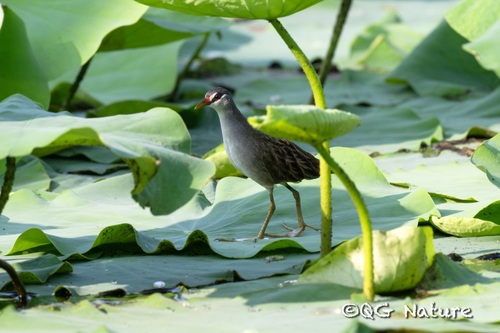
White-browed Crake (Poliolimnas cinereus) White-browed Crake
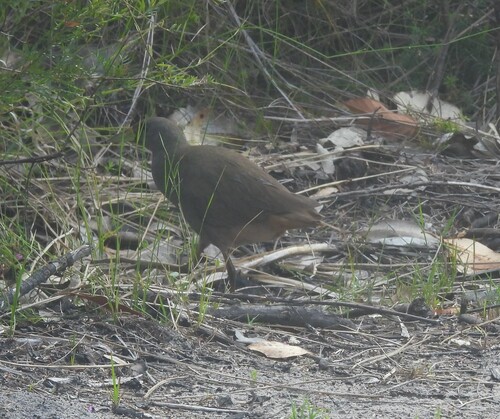
Pale-vented Bush-hen (Amaurornis moluccana) Pale-vented Bush-hen

Media

Loading…

In short

The most reliable field mark to separate White-browed Crake from Pale-vented Bush-hen is the presence of a bold white eyebrow and much paler, contrasting face on the crake, versus the uniform blue-grey face and body of the bush-hen. In all plumages, the bush-hen shows a distinctive buff or rufous vent and undertail, which is lacking in the crake. The crake is smaller, slimmer, and often appears more delicate, while the bush-hen is bulkier with a heavier bill and a more robust jizz. Both may be secretive in dense wetland vegetation, but careful attention to facial pattern, undertail color, and structure will separate them in the field.

Identification tips

  1. White eyebrow (supercilium): Only the White-browed Crake shows a bold white eyebrow and pale face; the bush-hen’s face is uniform blue-grey. This is visible in all ages and is the most reliable mark at rest.
  2. Buff/rufous vent and undertail: The Pale-vented Bush-hen always shows a distinctly pale buff or rufous undertail and vent, which contrasts with its blue-grey body. The crake’s undertail is plain and not contrasting.
  3. Overall coloration: The crake is paler below with more contrast between face and body; the bush-hen is uniform blue-grey with brown wings and tail.
  4. Bill color and shape: The bush-hen has a heavier, longer bill, lime green with an orange-red frontal shield in breeding adults (duller in non-breeding); the crake’s bill is greenish but slimmer and lacks a frontal shield.
  5. Size and structure: The bush-hen is noticeably larger and bulkier, with a heavier build and thicker legs; the crake is smaller, slimmer, and more delicate.
  6. Juvenile plumage: Juvenile bush-hens are paler but still have the same blue-grey and buff vent pattern; juvenile crakes retain the white eyebrow and pale face.
  7. Tail and undertail pattern: The bush-hen’s tail is brown and the undertail is always pale or rufous; the crake’s tail and undertail lack this contrast.
  8. Leg color: Bush-hen legs are olive-yellow; crake’s leg color is not specified but is generally less robust.
  9. Habitat context: In mangrove forests, crake is more likely; in dense lowland forest or forest edge, bush-hen is more likely. Overlap can occur in some wetlands.
  10. Behavior: Crake moves more lightly and quickly through reeds or mangroves; bush-hen is heavier and more deliberate in movement.
  11. Sexual dimorphism: Neither species shows strong sexual dimorphism in plumage; both sexes look alike.
  12. Flight views: No distinctive upperwing or flight marks are described for either species; separation relies on perched or walking birds.
  13. Pitfalls: In poor light, the bush-hen’s vent may look less rufous, but the lack of a white eyebrow and the uniform face remain reliable. The crake’s smaller size and paler face are consistent even in brief views.
  14. Voice: Not described in the provided notes; do not rely on vocalizations for separation based on current information.
  15. Seasonal variation: The bush-hen’s bill may show more red in breeding season, but this is not always visible; plumage marks are reliable year-round.

Size

Pale-vented Bush-hen is the larger and heavier of the two, with a body length of 25–30 cm, wing length of 140–155 mm, and weight between 150–210 g [wikipedia]. The White-browed Crake is distinctly smaller and lighter, giving a noticeably more delicate impression in the field. The bush-hen also has a proportionally heavier, longer bill and more robust legs, while the crake is slimmer overall.

Plumage

Juvenile and adult Pale-vented Bush-hens are mainly dull blue-grey with brown wings and tail, and always show a pale to rufous vent and undertail, which is a key field mark at all ages. Juveniles are paler but retain the same overall pattern. The White-browed Crake, in contrast, has a much paler face with a bold white supercilium (eyebrow) and lacks the bush-hen’s rufous or buff undertail; its underparts are paler and more contrasting with the upperparts. The crake’s bill is usually greenish, lacking the bush-hen’s orange-red frontal shield in breeding adults. The bush-hen’s blue-grey coloration is more uniform, with no strong facial contrast, and the undertail is always distinctly buff or rufous, unlike the crake’s plain undertail. No distinctive upperwing or flight marks are described for either species, so separation relies on perched or walking birds.

Behaviour

Both species are secretive and prefer dense wetland or forest edge vegetation, often skulking and rarely venturing far into the open. However, the Pale-vented Bush-hen is more robust in its movements and may appear bulkier and less agile than the more delicate White-browed Crake. The crake may be seen climbing through reeds or mangroves with a lighter, quicker gait, while the bush-hen moves more heavily and deliberately.

Habitat

White-browed Crake favors subtropical or tropical mangrove forests and associated wetlands, often in coastal or brackish environments [wikipedia]. Pale-vented Bush-hen is more typical of moist lowland forests, forest edges, and dense riparian vegetation, and is less tied to mangroves. Both can occur in overlapping wetland habitats in Australia and New Guinea, but the crake is more likely in mangroves, while the bush-hen prefers dense, moist forest or swampy thickets.

Submit a better description

Use the same sections as the comparison. Your text is published immediately.

The most reliable field mark to separate White-browed Crake from Pale-vented Bush-hen is the presence of a bold white eyebrow and much paler, contrasting face on the crake, versus the uniform blue-grey face and body of the bush-hen. In all plumages, the bush-hen shows a distinctive buff or rufous vent and undertail, which is lacking in the crake. The crake is smaller, slimmer, and often appears more delicate, while the bush-hen is bulkier with a heavier bill and a more robust jizz. Both may be secretive in dense wetland vegetation, but careful attention to facial pattern, undertail color, and structure will separate them in the field.

  1. White eyebrow (supercilium): Only the White-browed Crake shows a bold white eyebrow and pale face; the bush-hen’s face is uniform blue-grey. This is visible in all ages and is the most reliable mark at rest.
  2. Buff/rufous vent and undertail: The Pale-vented Bush-hen always shows a distinctly pale buff or rufous undertail and vent, which contrasts with its blue-grey body. The crake’s undertail is plain and not contrasting.
  3. Overall coloration: The crake is paler below with more contrast between face and body; the bush-hen is uniform blue-grey with brown wings and tail.
  4. Bill color and shape: The bush-hen has a heavier, longer bill, lime green with an orange-red frontal shield in breeding adults (duller in non-breeding); the crake’s bill is greenish but slimmer and lacks a frontal shield.
  5. Size and structure: The bush-hen is noticeably larger and bulkier, with a heavier build and thicker legs; the crake is smaller, slimmer, and more delicate.
  6. Juvenile plumage: Juvenile bush-hens are paler but still have the same blue-grey and buff vent pattern; juvenile crakes retain the white eyebrow and pale face.
  7. Tail and undertail pattern: The bush-hen’s tail is brown and the undertail is always pale or rufous; the crake’s tail and undertail lack this contrast.
  8. Leg color: Bush-hen legs are olive-yellow; crake’s leg color is not specified but is generally less robust.
  9. Habitat context: In mangrove forests, crake is more likely; in dense lowland forest or forest edge, bush-hen is more likely. Overlap can occur in some wetlands.
  10. Behavior: Crake moves more lightly and quickly through reeds or mangroves; bush-hen is heavier and more deliberate in movement.
  11. Sexual dimorphism: Neither species shows strong sexual dimorphism in plumage; both sexes look alike.
  12. Flight views: No distinctive upperwing or flight marks are described for either species; separation relies on perched or walking birds.
  13. Pitfalls: In poor light, the bush-hen’s vent may look less rufous, but the lack of a white eyebrow and the uniform face remain reliable. The crake’s smaller size and paler face are consistent even in brief views.
  14. Voice: Not described in the provided notes; do not rely on vocalizations for separation based on current information.
  15. Seasonal variation: The bush-hen’s bill may show more red in breeding season, but this is not always visible; plumage marks are reliable year-round.

Pale-vented Bush-hen is the larger and heavier of the two, with a body length of 25–30 cm, wing length of 140–155 mm, and weight between 150–210 g [wikipedia]. The White-browed Crake is distinctly smaller and lighter, giving a noticeably more delicate impression in the field. The bush-hen also has a proportionally heavier, longer bill and more robust legs, while the crake is slimmer overall.

Juvenile and adult Pale-vented Bush-hens are mainly dull blue-grey with brown wings and tail, and always show a pale to rufous vent and undertail, which is a key field mark at all ages. Juveniles are paler but retain the same overall pattern. The White-browed Crake, in contrast, has a much paler face with a bold white supercilium (eyebrow) and lacks the bush-hen’s rufous or buff undertail; its underparts are paler and more contrasting with the upperparts. The crake’s bill is usually greenish, lacking the bush-hen’s orange-red frontal shield in breeding adults. The bush-hen’s blue-grey coloration is more uniform, with no strong facial contrast, and the undertail is always distinctly buff or rufous, unlike the crake’s plain undertail. No distinctive upperwing or flight marks are described for either species, so separation relies on perched or walking birds.

Both species are secretive and prefer dense wetland or forest edge vegetation, often skulking and rarely venturing far into the open. However, the Pale-vented Bush-hen is more robust in its movements and may appear bulkier and less agile than the more delicate White-browed Crake. The crake may be seen climbing through reeds or mangroves with a lighter, quicker gait, while the bush-hen moves more heavily and deliberately.

White-browed Crake favors subtropical or tropical mangrove forests and associated wetlands, often in coastal or brackish environments [wikipedia]. Pale-vented Bush-hen is more typical of moist lowland forests, forest edges, and dense riparian vegetation, and is less tied to mangroves. Both can occur in overlapping wetland habitats in Australia and New Guinea, but the crake is more likely in mangroves, while the bush-hen prefers dense, moist forest or swampy thickets.

Discard your changes?

You have unsaved edits. If you leave now, those changes will be lost.

White-browed Crake · Pale-vented Bush-hen · My Tricky Birds