

Motmot

マミジロクイナ 対 アカオクイナ

Poliolimnas cinereus 対 Amaurornis moluccana

マミジロクイナとアカオクイナのクイズ
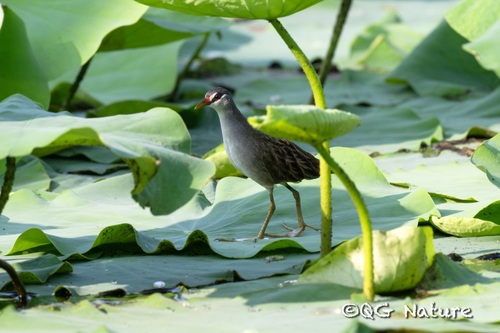
マミジロクイナ (Poliolimnas cinereus) マミジロクイナ
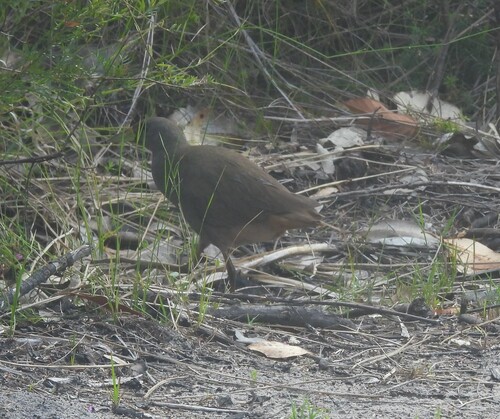
アカオクイナ (Amaurornis moluccana) アカオクイナ

メディア

読み込み中…

要点

ホワイトブロウドクレイクとアカオクイナを区別する最も信頼できるフィールドマークは、クレイクの存在する太い白い眉と非常に淡い対照的な顔であり、対してアカオクイナは均一な青灰色の顔と体を持っています。すべての羽色において、アカオクイナは特徴的なバフまたはルフスの腹部と尾羽を示し、クレイクにはこれが欠けています。クレイクは小さく、スリムで、しばしばより繊細に見えますが、アカオクイナはより大きく、重いくちばしとより頑丈な印象を持っています。どちらも密な湿地の植生の中では秘密主義的ですが、顔のパターン、尾羽の色、構造に注意を払えば、フィールドで区別できます。

識別のコツ

  1. 白い眉(スーペルシリウム): ホワイトブロウドクレイクだけが太い白い眉と淡い顔を示し、アカオクイナの顔は均一な青灰色です。これはすべての年齢で見られ、休息時の最も信頼できるマークです。
  2. バフ/ルフスの腹部と尾羽: アカオクイナは常に明確に淡いバフまたはルフスの尾羽と腹部を示し、青灰色の体と対照的です。クレイクの尾羽は平坦で対照的ではありません。
  3. 全体の色合い: クレイクは下側がより淡く、顔と体の間により対照があります。アカオクイナは青灰色が均一で、茶色の翼と尾を持っています。
  4. くちばしの色と形: アカオクイナは重く、長いくちばしを持ち、繁殖期の成鳥ではライムグリーンにオレンジレッドの前頭シールドがあります(非繁殖期では鈍い)。クレイクのくちばしは緑がかっていますが、スリムで前頭シールドが欠けています。
  5. サイズと構造: アカオクイナは明らかに大きく、重く、より頑丈な体型と太い脚を持っています。クレイクは小さく、スリムで、より繊細です。
  6. 幼鳥の羽色: 幼鳥のアカオクイナはより淡いですが、同じ青灰色とバフの腹部パターンを保持しています。幼鳥のクレイクは白い眉と淡い顔を保持します。
  7. 尾と尾羽のパターン: アカオクイナの尾は茶色で、尾羽は常に淡いまたはルフスです。クレイクの尾と尾羽にはこの対照が欠けています。
  8. 脚の色: アカオクイナの脚はオリーブイエローです。クレイクの脚の色は指定されていませんが、一般的により頑丈ではありません。
  9. 生息地の文脈: マングローブの森ではクレイクがより可能性が高く、密な低地の森や森の端ではアカオクイナがより可能性があります。一部の湿地では重複が発生することがあります。
  10. 行動: クレイクは葦やマングローブの中をより軽やかに素早く動きますが、アカオクイナはより重く、意図的に動きます。
  11. 性差の二形性: どちらの種も羽色において強い性差の二形性を示さず、両性は似ています。
  12. 飛行時の視点: どちらの種にも特有の上翼や飛行マークは記載されておらず、区別は止まっているか歩いている鳥に依存します。
  13. 落とし穴: 照明が悪い場合、アカオクイナの腹部はルフスに見えないことがありますが、白い眉の欠如と均一な顔は信頼できます。クレイクの小さいサイズと淡い顔は、短い視界でも一貫しています。
  14. 声: 提供されたメモには記載されていません。現在の情報に基づいて分離のために声に依存しないでください。
  15. 季節変動: アカオクイナのくちばしは繁殖期により赤く見えることがありますが、これは常に見えるわけではありません。羽色のマークは年間を通じて信頼できます。

大きさ

アカオクイナは二つの中でより大きく、重いもので、体長は25–30 cm、翼長は140–155 mm、体重は150–210 gです [wikipedia]。ホワイトブロウドクレイクは明らかに小さく、軽いので、フィールドでより繊細な印象を与えます。アカオクイナはまた、相対的に重く、長いくちばしとより頑丈な脚を持ち、クレイクは全体的にスリムです。

羽色

幼鳥と成鳥のアカオクイナは主に鈍い青灰色で、茶色の翼と尾を持ち、常に淡いからルフスの腹部と尾羽を示し、これはすべての年齢での重要なフィールドマークです。幼鳥はより淡いですが、同じ全体のパターンを保持しています。対照的に、ホワイトブロウドクレイクは非常に淡い顔を持ち、太い白いスーペルシリウム(眉)を持ち、アカオクイナのルフスまたはバフの尾羽が欠けています。クレイクの下部はより淡く、上部との対照が強いです。クレイクのくちばしは通常緑がかっており、繁殖期の成鳥におけるアカオクイナのオレンジレッドの前頭シールドが欠けています。アカオクイナの青灰色の色合いはより均一で、強い顔の対照がなく、尾羽は常に明確にバフまたはルフスであり、クレイクの平坦な尾羽とは異なります。どちらの種にも特有の上翼や飛行マークは記載されていないため、区別は止まっているか歩いている鳥に依存します。

行動

どちらの種も秘密主義的で、密な湿地や森林の端の植生を好み、しばしば隠れており、開けた場所に遠く出ることは稀です。しかし、アカオクイナはその動きにおいてより頑丈で、より大きく、より敏捷性が低いように見えることがあります。クレイクは葦やマングローブの中をより軽やかに素早く登っているのが見られることがありますが、アカオクイナはより重く、意図的に動きます。

生息環境

ホワイトブロウドクレイクは亜熱帯または熱帯のマングローブの森と関連する湿地を好み、しばしば沿岸または塩水環境に生息しています [wikipedia]。アカオクイナは湿った低地の森、森林の端、密な河川植生に典型的で、マングローブにあまり依存しません。両者はオーストラリアとニューギニアの重複する湿地生息地に出現することがありますが、クレイクはマングローブでより可能性が高く、アカオクイナは密で湿った森や湿地の茂みを好みます。

より良い説明を送る

比較と同じ項目を使ってください。文章はすぐに公開されます。

The most reliable field mark to separate White-browed Crake from Pale-vented Bush-hen is the presence of a bold white eyebrow and much paler, contrasting face on the crake, versus the uniform blue-grey face and body of the bush-hen. In all plumages, the bush-hen shows a distinctive buff or rufous vent and undertail, which is lacking in the crake. The crake is smaller, slimmer, and often appears more delicate, while the bush-hen is bulkier with a heavier bill and a more robust jizz. Both may be secretive in dense wetland vegetation, but careful attention to facial pattern, undertail color, and structure will separate them in the field.

  1. White eyebrow (supercilium): Only the White-browed Crake shows a bold white eyebrow and pale face; the bush-hen’s face is uniform blue-grey. This is visible in all ages and is the most reliable mark at rest.
  2. Buff/rufous vent and undertail: The Pale-vented Bush-hen always shows a distinctly pale buff or rufous undertail and vent, which contrasts with its blue-grey body. The crake’s undertail is plain and not contrasting.
  3. Overall coloration: The crake is paler below with more contrast between face and body; the bush-hen is uniform blue-grey with brown wings and tail.
  4. Bill color and shape: The bush-hen has a heavier, longer bill, lime green with an orange-red frontal shield in breeding adults (duller in non-breeding); the crake’s bill is greenish but slimmer and lacks a frontal shield.
  5. Size and structure: The bush-hen is noticeably larger and bulkier, with a heavier build and thicker legs; the crake is smaller, slimmer, and more delicate.
  6. Juvenile plumage: Juvenile bush-hens are paler but still have the same blue-grey and buff vent pattern; juvenile crakes retain the white eyebrow and pale face.
  7. Tail and undertail pattern: The bush-hen’s tail is brown and the undertail is always pale or rufous; the crake’s tail and undertail lack this contrast.
  8. Leg color: Bush-hen legs are olive-yellow; crake’s leg color is not specified but is generally less robust.
  9. Habitat context: In mangrove forests, crake is more likely; in dense lowland forest or forest edge, bush-hen is more likely. Overlap can occur in some wetlands.
  10. Behavior: Crake moves more lightly and quickly through reeds or mangroves; bush-hen is heavier and more deliberate in movement.
  11. Sexual dimorphism: Neither species shows strong sexual dimorphism in plumage; both sexes look alike.
  12. Flight views: No distinctive upperwing or flight marks are described for either species; separation relies on perched or walking birds.
  13. Pitfalls: In poor light, the bush-hen’s vent may look less rufous, but the lack of a white eyebrow and the uniform face remain reliable. The crake’s smaller size and paler face are consistent even in brief views.
  14. Voice: Not described in the provided notes; do not rely on vocalizations for separation based on current information.
  15. Seasonal variation: The bush-hen’s bill may show more red in breeding season, but this is not always visible; plumage marks are reliable year-round.

Pale-vented Bush-hen is the larger and heavier of the two, with a body length of 25–30 cm, wing length of 140–155 mm, and weight between 150–210 g [wikipedia]. The White-browed Crake is distinctly smaller and lighter, giving a noticeably more delicate impression in the field. The bush-hen also has a proportionally heavier, longer bill and more robust legs, while the crake is slimmer overall.

Juvenile and adult Pale-vented Bush-hens are mainly dull blue-grey with brown wings and tail, and always show a pale to rufous vent and undertail, which is a key field mark at all ages. Juveniles are paler but retain the same overall pattern. The White-browed Crake, in contrast, has a much paler face with a bold white supercilium (eyebrow) and lacks the bush-hen’s rufous or buff undertail; its underparts are paler and more contrasting with the upperparts. The crake’s bill is usually greenish, lacking the bush-hen’s orange-red frontal shield in breeding adults. The bush-hen’s blue-grey coloration is more uniform, with no strong facial contrast, and the undertail is always distinctly buff or rufous, unlike the crake’s plain undertail. No distinctive upperwing or flight marks are described for either species, so separation relies on perched or walking birds.

Both species are secretive and prefer dense wetland or forest edge vegetation, often skulking and rarely venturing far into the open. However, the Pale-vented Bush-hen is more robust in its movements and may appear bulkier and less agile than the more delicate White-browed Crake. The crake may be seen climbing through reeds or mangroves with a lighter, quicker gait, while the bush-hen moves more heavily and deliberately.

White-browed Crake favors subtropical or tropical mangrove forests and associated wetlands, often in coastal or brackish environments [wikipedia]. Pale-vented Bush-hen is more typical of moist lowland forests, forest edges, and dense riparian vegetation, and is less tied to mangroves. Both can occur in overlapping wetland habitats in Australia and New Guinea, but the crake is more likely in mangroves, while the bush-hen prefers dense, moist forest or swampy thickets.

変更を破棄しますか?

保存していない編集があります。今離れると失われます。

マミジロクイナ · アカオクイナ · 苦手な鳥