

franga-d'água-de-sobrancelha-branca vs pale-vented bush-hen
Poliolimnas cinereus versus Amaurornis moluccana
Jogue um quiz com franga-d'água-de-sobrancelha-branca e pale-vented bush-hen
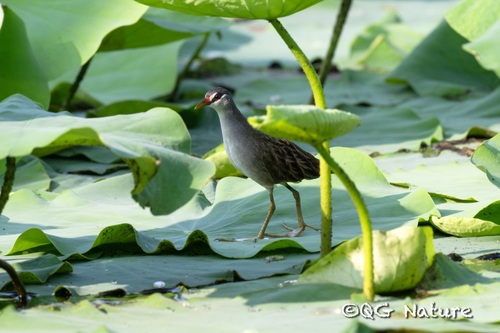 franga-d'água-de-sobrancelha-branca
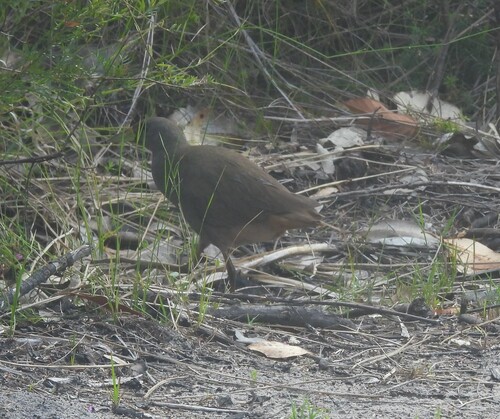 pale-vented bush-hen
Em resumo
A marca de campo mais confiável para separar a franga-d'água-de-sobrancelha-branca da pale-vented bush-hen é a presença de uma sobrancelha branca ousada e um rosto muito mais pálido e contrastante na franga, em comparação com o rosto e corpo azul-acinzentado uniforme da bush-hen. Em todas as plumagens, a bush-hen apresenta um vent e subcauda distintivos em cor creme ou ruivo, que estão ausentes na franga. A franga é menor, mais esbelta e muitas vezes parece mais delicada, enquanto a bush-hen é mais robusta, com um bico mais pesado e uma aparência mais robusta. Ambas podem ser secretivas em vegetação densa de áreas úmidas, mas a atenção cuidadosa ao padrão facial, cor da subcauda e estrutura as separará em campo.
Dicas de identificação
- Sobrancelha branca (supercílios): Apenas a franga-d'água-de-sobrancelha-branca apresenta uma sobrancelha branca ousada e um rosto pálido; o rosto da bush-hen é azul-acinzentado uniforme. Isso é visível em todas as idades e é a marca mais confiável em repouso.
- Vent e subcauda creme/ruivo: A pale-vented bush-hen sempre apresenta um subcauda e vent distintivamente pálidos em cor creme ou ruivo, que contrastam com seu corpo azul-acinzentado. O subcauda da franga é liso e não contrastante.
- Coloração geral: A franga é mais pálida na parte inferior, com mais contraste entre o rosto e o corpo; a bush-hen é azul-acinzentada uniforme com asas e cauda marrons.
- Cor e forma do bico: A bush-hen tem um bico mais pesado e longo, verde-lima com um escudo frontal laranja-vermelho em adultos em época de reprodução (mais opaco fora da época de reprodução); o bico da franga é esverdeado, mas mais esbelto e carece de um escudo frontal.
- Tamanho e estrutura: A bush-hen é visivelmente maior e mais robusta, com uma construção mais pesada e pernas mais grossas; a franga é menor, mais esbelta e mais delicada.
- Plumagem juvenil: As juvenis de bush-hen são mais pálidas, mas ainda têm o mesmo padrão azul-acinzentado e vent creme; as juvenis de franga mantêm a sobrancelha branca e o rosto pálido.
- Padrão da cauda e subcauda: A cauda da bush-hen é marrom e o subcauda é sempre pálido ou ruivo; a cauda e o subcauda da franga carecem desse contraste.
- Cor das pernas: As pernas da bush-hen são amarelo-oliva; a cor das pernas da franga não é especificada, mas geralmente é menos robusta.
- Contexto do habitat: Em florestas de mangue, a franga é mais provável; em florestas densas de planície ou borda de floresta, a bush-hen é mais provável. A sobreposição pode ocorrer em algumas áreas úmidas.
- Comportamento: A franga se move de forma mais leve e rápida através de juncos ou manguezais; a bush-hen é mais pesada e mais deliberada em seu movimento.
- Dimorfismo sexual: Nenhuma das espécies apresenta um forte dimorfismo sexual na plumagem; ambos os sexos se parecem.
- Visões de voo: Nenhuma marca distintiva de asa superior ou de voo é descrita para qualquer uma das espécies; a separação depende de aves empoleiradas ou caminhando.
- Armadilhas: Em luz fraca, o vent da bush-hen pode parecer menos ruivo, mas a falta de uma sobrancelha branca e o rosto uniforme permanecem confiáveis. O tamanho menor da franga e o rosto mais pálido são consistentes mesmo em visões breves.
- Voz: Não descrita nas notas fornecidas; não confie em vocalizações para separação com base nas informações atuais.
- Variação sazonal: O bico da bush-hen pode apresentar mais vermelho na época de reprodução, mas isso nem sempre é visível; as marcas da plumagem são confiáveis durante todo o ano.
Tamanho
A pale-vented bush-hen é a maior e mais pesada das duas, com um comprimento corporal de 25–30 cm, comprimento de asa de 140–155 mm e peso entre 150–210 g [wikipedia]. A franga-d'água-de-sobrancelha-branca é distintamente menor e mais leve, dando uma impressão visivelmente mais delicada em campo. A bush-hen também tem um bico proporcionalmente mais pesado e longo e pernas mais robustas, enquanto a franga é mais esbelta em geral.
Plumagem
As juvenis e adultas de pale-vented bush-hen são principalmente azul-acinzentadas opacas com asas e cauda marrons, e sempre apresentam um vent e subcauda pálidos a ruivos, que são uma marca de campo chave em todas as idades. As juvenis são mais pálidas, mas mantêm o mesmo padrão geral. A franga-d'água-de-sobrancelha-branca, em contraste, tem um rosto muito mais pálido com um supercílios branco ousado (sobrancelha) e carece do subcauda ruivo ou creme da bush-hen; suas partes inferiores são mais pálidas e contrastantes com as partes superiores. O bico da franga é geralmente esverdeado, sem o escudo frontal laranja-vermelho da bush-hen em adultos em época de reprodução. A coloração azul-acinzentada da bush-hen é mais uniforme, sem um forte contraste facial, e o subcauda é sempre distintivamente creme ou ruivo, ao contrário do subcauda liso da franga. Nenhuma marca distintiva de asa superior ou de voo é descrita para qualquer uma das espécies, então a separação depende de aves empoleiradas ou caminhando.
Comportamento
Ambas as espécies são secretivas e preferem vegetação densa de áreas úmidas ou bordas de florestas, muitas vezes se escondendo e raramente se aventurando longe do aberto. No entanto, a pale-vented bush-hen é mais robusta em seus movimentos e pode parecer mais volumosa e menos ágil do que a mais delicada franga-d'água-de-sobrancelha-branca. A franga pode ser vista subindo por juncos ou manguezais com um andar mais leve e rápido, enquanto a bush-hen se move de forma mais pesada e deliberada.
Habitat
A franga-d'água-de-sobrancelha-branca prefere florestas de mangue subtropicais ou tropicais e áreas úmidas associadas, frequentemente em ambientes costeiros ou salobros [wikipedia]. A pale-vented bush-hen é mais típica de florestas de planície úmidas, bordas de florestas e vegetação ripária densa, e está menos ligada a manguezais. Ambas podem ocorrer em habitats úmidos sobrepostos na Austrália e na Nova Guiné, mas a franga é mais provável em manguezais, enquanto a bush-hen prefere florestas densas e úmidas ou arbustos pantanosos.
franga-d'água-de-sobrancelha-branca · pale-vented bush-hen · Minhas aves difíceis