

White-browed Crake vs Pale-vented Bush-hen
Poliolimnas cinereus contro Amaurornis moluccana
Fai un quiz con White-browed Crake e Pale-vented Bush-hen
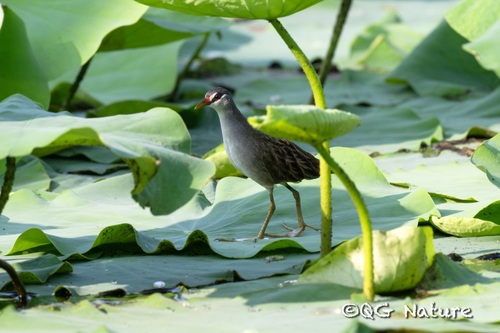 White-browed Crake
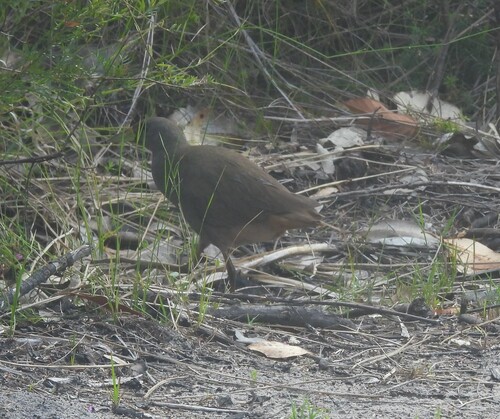 Pale-vented Bush-hen
In breve
Il segno distintivo più affidabile per separare il White-browed Crake dal Pale-vented Bush-hen è la presenza di un audace sopracciglio bianco e di un volto molto più chiaro e contrastante sul crake, rispetto al volto e al corpo blu-grigio uniforme del bush-hen. In tutte le livree, il bush-hen mostra un ventriglio e un sottocoda distintivi di color crema o ruggine, che mancano nel crake. Il crake è più piccolo, più snello e spesso appare più delicato, mentre il bush-hen è più robusto con un becco più pesante e un aspetto più robusto. Entrambi possono essere riservati nella densa vegetazione palustre, ma un'attenta attenzione al motivo facciale, al colore del sottocoda e alla struttura li separerà sul campo.
Consigli di identificazione
- Sopracciglio bianco (supercilium): Solo il White-browed Crake mostra un audace sopracciglio bianco e un volto chiaro; il volto del bush-hen è blu-grigio uniforme. Questo è visibile in tutte le età ed è il segno più affidabile a riposo.
- Ventriglio e sottocoda crema/ruggine: Il Pale-vented Bush-hen mostra sempre un sottocoda e un ventriglio distintivamente chiari di color crema o ruggine, che contrastano con il suo corpo blu-grigio. Il sottocoda del crake è semplice e non contrastante.
- Colorazione generale: Il crake è più chiaro sotto con un maggiore contrasto tra volto e corpo; il bush-hen è blu-grigio uniforme con ali e coda marroni.
- Colore e forma del becco: Il bush-hen ha un becco più pesante e lungo, verde lime con uno scudo frontale arancio-rossastro negli adulti in riproduzione (meno intenso negli adulti non in riproduzione); il becco del crake è verdastro ma più snello e privo di scudo frontale.
- Dimensioni e struttura: Il bush-hen è notevolmente più grande e robusto, con una corporatura più pesante e gambe più spesse; il crake è più piccolo, più snello e più delicato.
- Livrea giovanile: I giovani bush-hen sono più chiari ma mantengono lo stesso motivo blu-grigio e crema del ventriglio; i giovani crake conservano il sopracciglio bianco e il volto chiaro.
- Motivo della coda e del sottocoda: La coda del bush-hen è marrone e il sottocoda è sempre chiaro o ruggine; la coda e il sottocoda del crake mancano di questo contrasto.
- Colore delle gambe: Le gambe del bush-hen sono giallo-oliva; il colore delle gambe del crake non è specificato ma è generalmente meno robusto.
- Contesto dell'habitat: Nei boschi di mangrovie, il crake è più probabile; in foreste di pianura dense o ai margini delle foreste, il bush-hen è più probabile. Può verificarsi sovrapposizione in alcune zone umide.
- Comportamento: Il crake si muove più leggero e rapidamente tra le canne o le mangrovie; il bush-hen è più pesante e più deliberato nei movimenti.
- Dimorfismo sessuale: Nessuna delle due specie mostra un forte dimorfismo sessuale nella livrea; entrambi i sessi si somigliano.
- Visioni in volo: Non sono descritti segni distintivi sulle ali superiori o segni di volo per nessuna delle due specie; la separazione si basa su uccelli appollaiati o in movimento.
- Trappole: In scarsa illuminazione, il ventriglio del bush-hen può apparire meno ruggine, ma l'assenza di un sopracciglio bianco e il volto uniforme rimangono affidabili. La dimensione più piccola del crake e il volto più chiaro sono coerenti anche in viste brevi.
- Voce: Non descritta nelle note fornite; non fare affidamento sulle vocalizzazioni per la separazione in base alle informazioni attuali.
- Variazione stagionale: Il becco del bush-hen può mostrare più rosso durante la stagione di riproduzione, ma questo non è sempre visibile; i segni della livrea sono affidabili tutto l'anno.
Taglia
Il Pale-vented Bush-hen è il più grande e pesante dei due, con una lunghezza del corpo di 25–30 cm, una lunghezza dell'ala di 140–155 mm e un peso tra 150–210 g [wikipedia]. Il White-browed Crake è nettamente più piccolo e leggero, dando un'impressione visibilmente più delicata sul campo. Il bush-hen ha anche un becco proporzionalmente più pesante e lungo e gambe più robuste, mentre il crake è complessivamente più snello.
Piumaggio
I Pale-vented Bush-hen giovanili e adulti sono principalmente di un blu-grigio opaco con ali e coda marroni, e mostrano sempre un ventriglio e un sottocoda chiari o ruggine, che è un segno chiave sul campo a tutte le età. I giovani sono più chiari ma mantengono lo stesso motivo generale. Il White-browed Crake, al contrario, ha un volto molto più chiaro con un audace supercilium bianco (sopracciglio) e manca del sottocoda ruggine o crema del bush-hen; le sue parti inferiori sono più chiare e più contrastanti con le parti superiori. Il becco del crake è solitamente verdastro, privo dello scudo frontale arancio-rossastro del bush-hen negli adulti in riproduzione. La colorazione blu-grigia del bush-hen è più uniforme, senza un forte contrasto facciale, e il sottocoda è sempre distintamente crema o ruggine, a differenza del sottocoda semplice del crake. Non sono descritti segni distintivi sulle ali superiori o segni di volo per nessuna delle due specie, quindi la separazione si basa su uccelli appollaiati o in movimento.
Comportamento
Entrambe le specie sono riservate e preferiscono vegetazione palustre densa o ai margini delle foreste, spesso si nascondono e raramente si avventurano lontano nell'aperto. Tuttavia, il Pale-vented Bush-hen è più robusto nei suoi movimenti e può apparire più ingombrante e meno agile rispetto al più delicato White-browed Crake. Il crake può essere visto arrampicarsi tra le canne o le mangrovie con un passo più leggero e veloce, mentre il bush-hen si muove in modo più pesante e deliberato.
Habitat
Il White-browed Crake predilige le foreste di mangrovie subtropicali o tropicali e le zone umide associate, spesso in ambienti costieri o salmastri [wikipedia]. Il Pale-vented Bush-hen è più tipico delle foreste di pianura umide, dei margini forestali e della vegetazione ripariale densa, ed è meno legato alle mangrovie. Entrambi possono verificarsi in habitat umidi sovrapposti in Australia e Nuova Guinea, ma il crake è più probabile nelle mangrovie, mentre il bush-hen preferisce foreste dense e umide o cespugli paludosi.
White-browed Crake · Pale-vented Bush-hen · I miei uccelli difficili