

Motmot

Silvereye vs New Zealand Pipit

Zosterops lateralis versus Anthus novaeseelandiae

Play a quiz with Silvereye and New Zealand Pipit
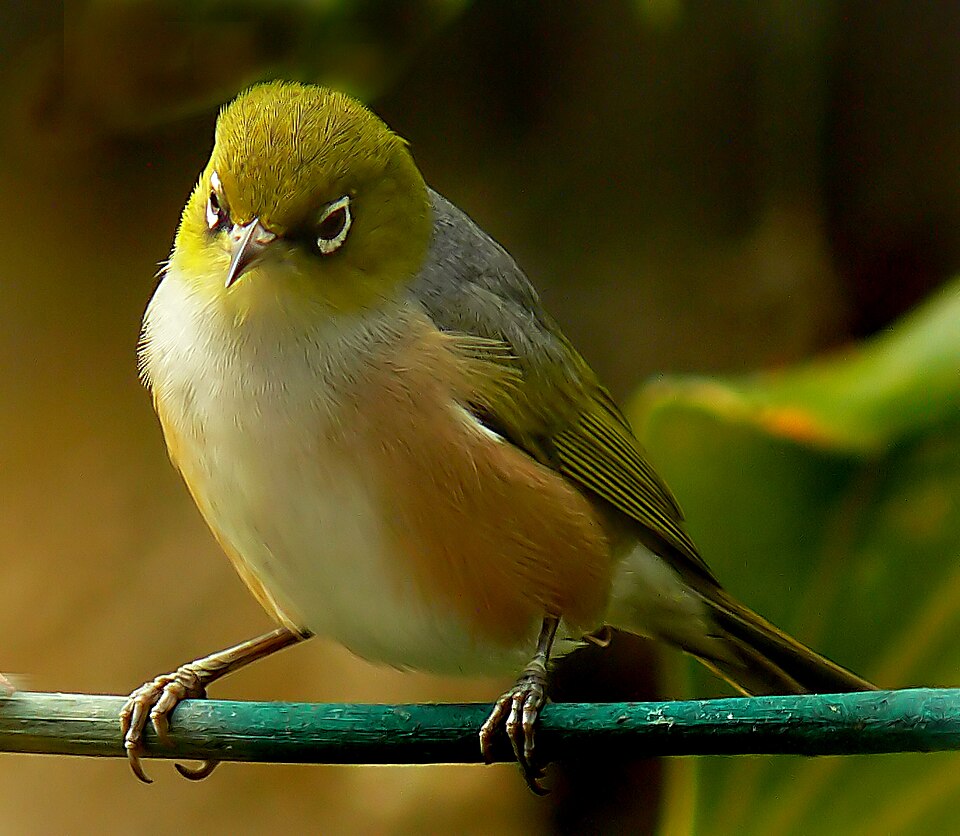
Silvereye (Zosterops lateralis) Silvereye
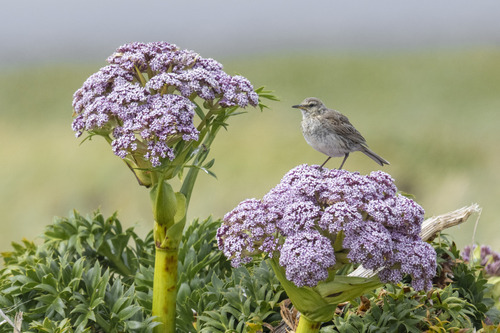
New Zealand Pipit (Anthus novaeseelandiae) New Zealand Pipit

Media

Loading…

In short

The most reliable way to separate Silvereye from New Zealand Pipit is by overall structure and facial markings: Silvereye is a tiny, compact bird with a bold white eye-ring, while New Zealand Pipit is much larger, slender, and lacks the eye-ring but shows a pale eyebrow and streaked plumage. Silvereye appears olive-green with variable chestnut or buff flanks, and moves quickly in shrubs; Pipit is brown above with heavy streaking and a long, constantly wagged tail. These differences are clear at all ages and in both perched and flight views, making confusion unlikely with careful observation.

Identification tips

  1. White eye-ring (Silvereye only): Look for the bold, complete white ring around the eye. Pipit never shows this; if present, you have a Silvereye of any age or season.
  2. Overall size and shape: Silvereye is tiny and compact, with a short tail and rounded body. Pipit is much larger, slender, with a long tail and long legs. Size difference is obvious even at a distance.
  3. Facial pattern: Silvereye’s face is plain except for the eye-ring. Pipit has a pale eyebrow (supercilium) and dark malar/moustachial stripes, giving a streaked, lined look to the face.
  4. Plumage color: Silvereye is olive-green above with variable chestnut or buff flanks and a pale throat. Pipit is pale brown above with dark streaks and pale, streaked underparts.
  5. Tail pattern and behavior: Pipit has a long tail with white outer feathers, often wagged up and down. Silvereye’s tail is shorter and not wagged in the same way.
  6. Leg color and length: Pipit has long, pinkish-brown legs, often visible as it walks on the ground. Silvereye’s legs are shorter and less prominent.
  7. Perched posture: Pipit stands upright with a horizontal body and walks or runs on the ground. Silvereye perches in shrubs or trees, often in a more hunched, compact posture.
  8. Habitat context: In open grassland or dunes, expect pipit; in dense shrubs, gardens, or forests, expect Silvereye.
  9. Foraging behavior: Silvereye moves quickly through foliage, often in groups. Pipit is solitary or in loose pairs, walking on the ground.
  10. Flight style: Silvereye makes short, rapid flights between shrubs. Pipit’s flight is more undulating and direct, often low over the ground.
  11. Underparts: Silvereye’s underparts are lighter and can be yellowish or buff on the flanks; pipit’s are pale with distinct breast streaking.
  12. Bill shape: Silvereye has a short, fine bill suited to omnivory. Pipit’s bill is slender and pointed, typical of insectivores.
  13. Juvenile confusion: No distinctive juvenile upperwing marks are noted for either species, so rely on face, size, and structure for young birds.
  14. Seasonal variation: Silvereye may show some variation in throat and flank color by subspecies, but always has the eye-ring. Pipit’s streaking and face pattern are consistent year-round.
  15. Mixed flocks: If you see a flock, especially in winter, check for Silvereye. Pipits are rarely in flocks.

Size

Silvereye is a very small bird, measuring 11–13 cm in length and weighing around 10 g [wikipedia]. In contrast, New Zealand Pipit is much larger and heavier, at 16–19 cm long and about 32–40 g [wikidata, wikipedia]. The pipit’s size is immediately apparent in the field, appearing nearly twice as heavy and much longer-bodied than the compact Silvereye.

Plumage

Silvereye of all ages shows a conspicuous white eye-ring, olive-green wings, and a lighter throat (yellow or grey), with flanks that can be chestnut or pale buff. The undertail is white or yellow. Juveniles are not described as having a distinct upperwing pattern, so the eye-ring and overall coloration remain key at all ages. New Zealand Pipit, regardless of age, is pale brown above with dark streaks, pale underparts with breast streaking, and a pale supercilium (eyebrow). It lacks any eye-ring. The pipit’s long tail has white outer feathers, often visible in flight or when wagged. No age-specific wing or flight pattern marks are noted for either species, so the facial and body pattern contrasts are consistent year-round.

Behaviour

Silvereye is highly active, foraging quickly through shrubbery and trees, often in flocks, and is rarely seen on the ground for long. It moves with rapid, darting flights and is usually seen in dense vegetation or gardens. New Zealand Pipit, by contrast, is a ground-dweller of open country, walking or running with frequent pauses and characteristic tail-wagging. It is rarely seen in trees or dense shrubs, and its upright stance and long legs are distinctive.

Habitat

Silvereye is found in almost any vegetated area except open grasslands, including forests, scrub, orchards, and urban gardens. It prefers areas with plenty of foliage and is rarely seen in open country. New Zealand Pipit is strongly tied to open habitats—grasslands, dunes, farmland, and coastal areas—where it forages on the ground. Overlap is possible at habitat edges, but the pipit avoids dense shrubbery where Silvereye thrives.

Submit a better description

Use the same sections as the comparison. Your text is published immediately.

The most reliable way to separate Silvereye from New Zealand Pipit is by overall structure and facial markings: Silvereye is a tiny, compact bird with a bold white eye-ring, while New Zealand Pipit is much larger, slender, and lacks the eye-ring but shows a pale eyebrow and streaked plumage. Silvereye appears olive-green with variable chestnut or buff flanks, and moves quickly in shrubs; Pipit is brown above with heavy streaking and a long, constantly wagged tail. These differences are clear at all ages and in both perched and flight views, making confusion unlikely with careful observation.

  1. White eye-ring (Silvereye only): Look for the bold, complete white ring around the eye. Pipit never shows this; if present, you have a Silvereye of any age or season.
  2. Overall size and shape: Silvereye is tiny and compact, with a short tail and rounded body. Pipit is much larger, slender, with a long tail and long legs. Size difference is obvious even at a distance.
  3. Facial pattern: Silvereye’s face is plain except for the eye-ring. Pipit has a pale eyebrow (supercilium) and dark malar/moustachial stripes, giving a streaked, lined look to the face.
  4. Plumage color: Silvereye is olive-green above with variable chestnut or buff flanks and a pale throat. Pipit is pale brown above with dark streaks and pale, streaked underparts.
  5. Tail pattern and behavior: Pipit has a long tail with white outer feathers, often wagged up and down. Silvereye’s tail is shorter and not wagged in the same way.
  6. Leg color and length: Pipit has long, pinkish-brown legs, often visible as it walks on the ground. Silvereye’s legs are shorter and less prominent.
  7. Perched posture: Pipit stands upright with a horizontal body and walks or runs on the ground. Silvereye perches in shrubs or trees, often in a more hunched, compact posture.
  8. Habitat context: In open grassland or dunes, expect pipit; in dense shrubs, gardens, or forests, expect Silvereye.
  9. Foraging behavior: Silvereye moves quickly through foliage, often in groups. Pipit is solitary or in loose pairs, walking on the ground.
  10. Flight style: Silvereye makes short, rapid flights between shrubs. Pipit’s flight is more undulating and direct, often low over the ground.
  11. Underparts: Silvereye’s underparts are lighter and can be yellowish or buff on the flanks; pipit’s are pale with distinct breast streaking.
  12. Bill shape: Silvereye has a short, fine bill suited to omnivory. Pipit’s bill is slender and pointed, typical of insectivores.
  13. Juvenile confusion: No distinctive juvenile upperwing marks are noted for either species, so rely on face, size, and structure for young birds.
  14. Seasonal variation: Silvereye may show some variation in throat and flank color by subspecies, but always has the eye-ring. Pipit’s streaking and face pattern are consistent year-round.
  15. Mixed flocks: If you see a flock, especially in winter, check for Silvereye. Pipits are rarely in flocks.

Silvereye is a very small bird, measuring 11–13 cm in length and weighing around 10 g [wikipedia]. In contrast, New Zealand Pipit is much larger and heavier, at 16–19 cm long and about 32–40 g [wikidata, wikipedia]. The pipit’s size is immediately apparent in the field, appearing nearly twice as heavy and much longer-bodied than the compact Silvereye.

Silvereye of all ages shows a conspicuous white eye-ring, olive-green wings, and a lighter throat (yellow or grey), with flanks that can be chestnut or pale buff. The undertail is white or yellow. Juveniles are not described as having a distinct upperwing pattern, so the eye-ring and overall coloration remain key at all ages. New Zealand Pipit, regardless of age, is pale brown above with dark streaks, pale underparts with breast streaking, and a pale supercilium (eyebrow). It lacks any eye-ring. The pipit’s long tail has white outer feathers, often visible in flight or when wagged. No age-specific wing or flight pattern marks are noted for either species, so the facial and body pattern contrasts are consistent year-round.

Silvereye is highly active, foraging quickly through shrubbery and trees, often in flocks, and is rarely seen on the ground for long. It moves with rapid, darting flights and is usually seen in dense vegetation or gardens. New Zealand Pipit, by contrast, is a ground-dweller of open country, walking or running with frequent pauses and characteristic tail-wagging. It is rarely seen in trees or dense shrubs, and its upright stance and long legs are distinctive.

Silvereye is found in almost any vegetated area except open grasslands, including forests, scrub, orchards, and urban gardens. It prefers areas with plenty of foliage and is rarely seen in open country. New Zealand Pipit is strongly tied to open habitats—grasslands, dunes, farmland, and coastal areas—where it forages on the ground. Overlap is possible at habitat edges, but the pipit avoids dense shrubbery where Silvereye thrives.

Discard your changes?

You have unsaved edits. If you leave now, those changes will be lost.

Silvereye · New Zealand Pipit · My Tricky Birds