

silvereye vs new zealand pipit
Zosterops lateralis versus Anthus novaeseelandiae
Jogue um quiz com silvereye e new zealand pipit
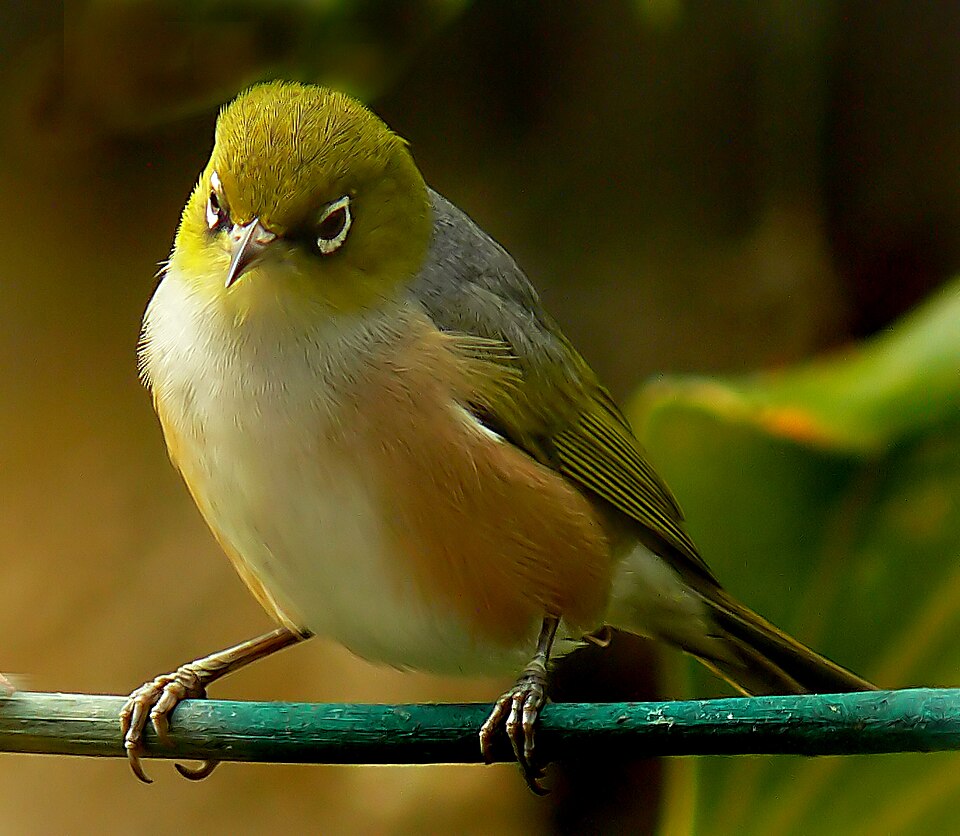 silvereye
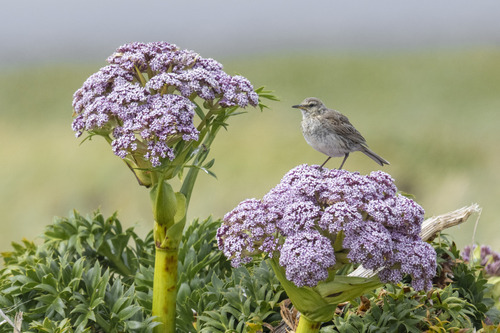 new zealand pipit
Em resumo
A maneira mais confiável de separar silvereye de new zealand pipit é pela estrutura geral e marcas faciais: silvereye é um pássaro pequeno e compacto com um ousado anel ocular branco, enquanto new zealand pipit é muito maior, esguio e não possui o anel ocular, mas apresenta uma sobrancelha pálida e plumagem riscada. Silvereye aparece verde-oliva com flancos variáveis em castanho ou buff, e se move rapidamente em arbustos; pipit é marrom por cima com riscas pesadas e uma cauda longa, constantemente balançada. Essas diferenças são claras em todas as idades e em ambas as vistas, empoleiradas e em voo, tornando a confusão improvável com uma observação cuidadosa.
Dicas de identificação
- Anel ocular branco (apenas silvereye): Procure pelo ousado e completo anel branco ao redor do olho. Pipit nunca mostra isso; se presente, você tem um silvereye de qualquer idade ou estação.
- Tamanho e forma geral: Silvereye é pequeno e compacto, com uma cauda curta e corpo arredondado. Pipit é muito maior, esguio, com uma cauda longa e pernas longas. A diferença de tamanho é óbvia mesmo à distância.
- Padrão facial: O rosto do silvereye é simples, exceto pelo anel ocular. Pipit tem uma sobrancelha pálida (supercilium) e listras malar/moustachial escuras, dando uma aparência riscada e marcada ao rosto.
- Cor da plumagem: Silvereye é verde-oliva por cima com flancos variáveis em castanho ou buff e uma garganta pálida. Pipit é marrom claro por cima com riscas escuras e partes inferiores pálidas e riscadas.
- Padrão da cauda e comportamento: Pipit tem uma cauda longa com penas externas brancas, frequentemente balançadas para cima e para baixo. Silvereye’s cauda é mais curta e não balança da mesma forma.
- Cor e comprimento das pernas: Pipit tem pernas longas, de cor marrom-rosada, frequentemente visíveis enquanto caminha no chão. Silvereye’s pernas são mais curtas e menos proeminentes.
- Postura empoleirada: Pipit fica ereto com o corpo horizontal e caminha ou corre no chão. Silvereye empoleira-se em arbustos ou árvores, frequentemente em uma postura mais encurvada e compacta.
- Contexto do habitat: Em pastagens abertas ou dunas, espere encontrar pipit; em arbustos densos, jardins ou florestas, espere silvereye.
- Comportamento de forrageamento: Silvereye se move rapidamente através da folhagem, frequentemente em grupos. Pipit é solitário ou em pares soltos, caminhando no chão.
- Estilo de voo: Silvereye faz voos curtos e rápidos entre arbustos. O voo do pipit é mais ondulante e direto, frequentemente baixo sobre o chão.
- Partes inferiores: As partes inferiores do silvereye são mais claras e podem ser amareladas ou buff nos flancos; as do pipit são pálidas com riscas distintas no peito.
- Formato do bico: Silvereye tem um bico curto e fino, adequado para onivoria. O bico do pipit é esguio e pontudo, típico de insetívoros.
- Confusão juvenil: Nenhum padrão distintivo de marcação na asa superior juvenil é notado para nenhuma das espécies, então confie no rosto, tamanho e estrutura para aves jovens.
- Variação sazonal: Silvereye pode mostrar alguma variação na cor da garganta e flancos por subespécie, mas sempre tem o anel ocular. Pipit’s riscas e padrão facial são consistentes durante todo o ano.
- Bandos mistos: Se você ver um bando, especialmente no inverno, verifique se há silvereye. Pipits raramente estão em bandos.
Tamanho
Silvereye é um pássaro muito pequeno, medindo 11–13 cm de comprimento e pesando cerca de 10 g [wikipedia]. Em contraste, new zealand pipit é muito maior e mais pesado, com 16–19 cm de comprimento e cerca de 32–40 g [wikidata, wikipedia]. O tamanho do pipit é imediatamente aparente no campo, parecendo quase duas vezes mais pesado e com um corpo muito mais longo do que o compacto silvereye.
Plumagem
Silvereye de todas as idades apresenta um conspícuo anel ocular branco, asas verde-oliva e uma garganta mais clara (amarela ou cinza), com flancos que podem ser castanho ou buff pálido. A parte inferior da cauda é branca ou amarela. Juvenis não são descritos como tendo um padrão distinto na asa superior, então o anel ocular e a coloração geral permanecem chave em todas as idades. New zealand pipit, independentemente da idade, é marrom claro por cima com riscas escuras, partes inferiores pálidas com riscas no peito e um supercilium pálido (sobrancelha). Ele não possui anel ocular. A cauda longa do pipit tem penas externas brancas, frequentemente visíveis em voo ou quando balançadas. Nenhum padrão de asa ou voo específico para idade é notado para nenhuma das espécies, então os contrastes de padrão facial e corporal são consistentes durante todo o ano.
Comportamento
Silvereye é altamente ativo, forrageando rapidamente através de arbustos e árvores, frequentemente em bandos, e raramente é visto no chão por muito tempo. Ele se move com voos rápidos e ágeis e geralmente é visto em vegetação densa ou jardins. New zealand pipit, em contraste, é um habitante do solo em áreas abertas, caminhando ou correndo com pausas frequentes e característico balançar de cauda. Ele raramente é visto em árvores ou arbustos densos, e sua postura ereta e pernas longas são distintas.
Habitat
Silvereye é encontrado em quase qualquer área vegetada, exceto em pastagens abertas, incluindo florestas, matagal, pomares e jardins urbanos. Ele prefere áreas com bastante folhagem e raramente é visto em áreas abertas. New zealand pipit está fortemente ligado a habitats abertos—pastagens, dunas, terras agrícolas e áreas costeiras—onde forrageia no chão. A sobreposição é possível nas bordas do habitat, mas o pipit evita arbustos densos onde silvereye prospera.