

Motmot

ハイムネメジロ 対 New Zealand Pipit

Zosterops lateralis 対 Anthus novaeseelandiae

ハイムネメジロとNew Zealand Pipitのクイズ
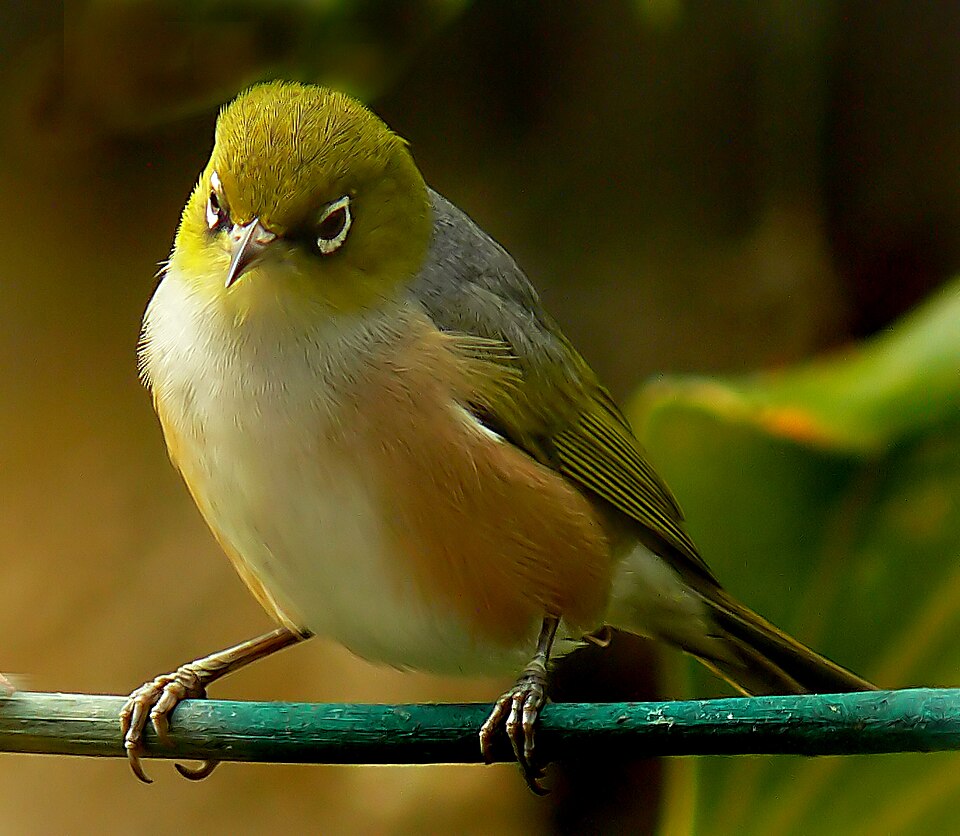
ハイムネメジロ (Zosterops lateralis) ハイムネメジロ
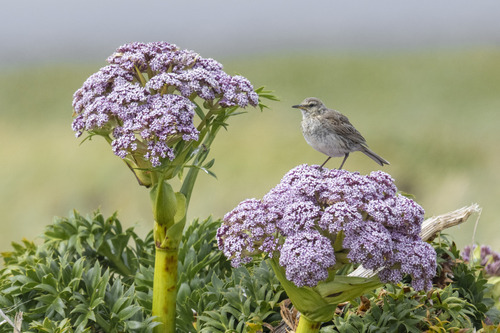
New Zealand Pipit (Anthus novaeseelandiae) New Zealand Pipit

メディア

読み込み中…

要点

ハイムネメジロとNew Zealand Pipitを区別する最も信頼できる方法は、全体の構造と顔の模様によるものです:ハイムネメジロは大胆な白いアイリングを持つ小さくてコンパクトな鳥であり、New Zealand Pipitははるかに大きく、細長く、アイリングがなく、淡い眉毛と縞模様の羽毛を示します。ハイムネメジロはオリーブグリーンに変動する栗色またはバフの脇腹を持ち、低木の中を素早く移動します;Pipitは上面が茶色で、重い縞模様と長く常に振られる尾を持っています。これらの違いはすべての年齢で明確であり、止まっている時と飛んでいる時の両方の視点で混乱が起こる可能性は低く、注意深い観察が必要です。

識別のコツ

  1. 白いアイリング(ハイムネメジロのみ): 目の周りの大胆で完全な白いリングを探してください。Pipitはこれを示しません;もし存在するなら、あなたはどの年齢または季節のハイムネメジロを持っています。
  2. 全体のサイズと形状: ハイムネメジロは小さくてコンパクトで、短い尾と丸い体を持っています。Pipitははるかに大きく、細長く、長い尾と長い脚を持っています。サイズの違いは距離があっても明らかです。
  3. 顔の模様: ハイムネメジロの顔はアイリングを除いてはシンプルです。Pipitは淡い眉毛(スーペリシリウム)と暗い頬のストライプを持ち、顔に縞模様のある線状の外観を与えています。
  4. 羽毛の色: ハイムネメジロは上面がオリーブグリーンで、変動する栗色またはバフの脇腹と淡い喉を持っています。Pipitは上面が淡い茶色で、暗い縞模様と淡い、縞模様のある腹部を持っています。
  5. 尾の模様と行動: Pipitは白い外羽を持つ長い尾を持ち、しばしば上下に振られます。ハイムネメジロの尾は短く、同じようには振られません。
  6. 脚の色と長さ: Pipitは長く、ピンクがかった茶色の脚を持ち、地面を歩くときによく見えます。ハイムネメジロの脚は短く、目立ちません。
  7. 止まっている姿勢: Pipitは水平な体で直立し、地面を歩いたり走ったりします。ハイムネメジロは低木や木に止まり、しばしばより丸まったコンパクトな姿勢をとります。
  8. 生息地の文脈: 開けた草原や砂丘ではPipitを期待し、密な低木、庭、または森林ではハイムネメジロを期待します。
  9. 採餌行動: ハイムネメジロは葉の間を素早く移動し、しばしば群れで行動します。Pipitは孤独または緩いペアで、地面を歩きます。
  10. 飛行スタイル: ハイムネメジロは低木の間を短く迅速に飛びます。Pipitの飛行はより波状で直接的で、しばしば地面の低いところを飛びます。
  11. 腹部: ハイムネメジロの腹部は明るく、脇腹は黄色がかったりバフ色になることがあります;Pipitの腹部は淡く、明確な胸の縞模様があります。
  12. くちばしの形: ハイムネメジロは雑食に適した短くて細いくちばしを持っています。Pipitのくちばしは細長く尖っており、昆虫食に典型的です。
  13. 幼鳥の混乱: どちらの種にも特有の幼鳥の上翼のマークは記載されていないため、若い鳥には顔、サイズ、構造に依存してください。
  14. 季節変動: ハイムネメジロは亜種によって喉と脇腹の色にいくつかの変動を示すことがありますが、常にアイリングを持っています。Pipitの縞模様と顔のパターンは年間を通じて一貫しています。
  15. 混合群れ: 群れを見た場合、特に冬にはハイムネメジロを確認してください。Pipitは群れでいることは稀です。

大きさ

ハイムネメジロは非常に小さな鳥で、長さは11〜13 cm、重さは約10 gです [wikipedia]。対照的に、New Zealand Pipitははるかに大きく、重く、長さは16〜19 cm、重さは約32〜40 gです [wikidata, wikipedia]。Pipitのサイズはフィールドで直ちに明らかで、コンパクトなハイムネメジロのほぼ2倍の重さと、はるかに長い体を持っています。

羽色

すべての年齢のハイムネメジロは目立つ白いアイリング、オリーブグリーンの翼、そしてより明るい喉(黄色または灰色)を示し、脇腹は栗色または淡いバフになることがあります。尾羽は白または黄色です。幼鳥は特有の上翼のパターンを持っているとは記載されていないため、アイリングと全体の色合いがすべての年齢で重要です。年齢に関係なく、New Zealand Pipitは上面が淡い茶色で、暗い縞模様、淡い腹部に胸の縞模様、淡いスーペリシリウム(眉毛)を持っています。アイリングはありません。Pipitの長い尾は白い外羽を持ち、飛行中または振られるときによく見えます。どちらの種にも年齢特有の翼や飛行パターンのマークは記載されていないため、顔と体のパターンのコントラストは年間を通じて一貫しています。

行動

ハイムネメジロは非常に活発で、低木や木の間を素早く採餌し、しばしば群れで行動し、地面に長くいることは稀です。急速で素早い飛行で移動し、通常は密な植生や庭で見られます。対照的に、New Zealand Pipitは開けた国の地面に生息し、頻繁に立ち止まりながら歩いたり走ったりします。木や密な低木の中にいることは稀で、直立した姿勢と長い脚が特徴的です。

生息環境

ハイムネメジロは開けた草原を除くほぼすべての植生のある地域に見られ、森林、低木、果樹園、都市の庭などが含まれます。葉が豊富な地域を好み、開けた国ではほとんど見られません。New Zealand Pipitは開けた生息地—草原、砂丘、農地、沿岸地域—に強く結びついており、地面で採餌します。生息地の境界での重複は可能ですが、Pipitはハイムネメジロが繁栄する密な低木を避けます。

より良い説明を送る

比較と同じ項目を使ってください。文章はすぐに公開されます。

The most reliable way to separate Silvereye from New Zealand Pipit is by overall structure and facial markings: Silvereye is a tiny, compact bird with a bold white eye-ring, while New Zealand Pipit is much larger, slender, and lacks the eye-ring but shows a pale eyebrow and streaked plumage. Silvereye appears olive-green with variable chestnut or buff flanks, and moves quickly in shrubs; Pipit is brown above with heavy streaking and a long, constantly wagged tail. These differences are clear at all ages and in both perched and flight views, making confusion unlikely with careful observation.

  1. White eye-ring (Silvereye only): Look for the bold, complete white ring around the eye. Pipit never shows this; if present, you have a Silvereye of any age or season.
  2. Overall size and shape: Silvereye is tiny and compact, with a short tail and rounded body. Pipit is much larger, slender, with a long tail and long legs. Size difference is obvious even at a distance.
  3. Facial pattern: Silvereye’s face is plain except for the eye-ring. Pipit has a pale eyebrow (supercilium) and dark malar/moustachial stripes, giving a streaked, lined look to the face.
  4. Plumage color: Silvereye is olive-green above with variable chestnut or buff flanks and a pale throat. Pipit is pale brown above with dark streaks and pale, streaked underparts.
  5. Tail pattern and behavior: Pipit has a long tail with white outer feathers, often wagged up and down. Silvereye’s tail is shorter and not wagged in the same way.
  6. Leg color and length: Pipit has long, pinkish-brown legs, often visible as it walks on the ground. Silvereye’s legs are shorter and less prominent.
  7. Perched posture: Pipit stands upright with a horizontal body and walks or runs on the ground. Silvereye perches in shrubs or trees, often in a more hunched, compact posture.
  8. Habitat context: In open grassland or dunes, expect pipit; in dense shrubs, gardens, or forests, expect Silvereye.
  9. Foraging behavior: Silvereye moves quickly through foliage, often in groups. Pipit is solitary or in loose pairs, walking on the ground.
  10. Flight style: Silvereye makes short, rapid flights between shrubs. Pipit’s flight is more undulating and direct, often low over the ground.
  11. Underparts: Silvereye’s underparts are lighter and can be yellowish or buff on the flanks; pipit’s are pale with distinct breast streaking.
  12. Bill shape: Silvereye has a short, fine bill suited to omnivory. Pipit’s bill is slender and pointed, typical of insectivores.
  13. Juvenile confusion: No distinctive juvenile upperwing marks are noted for either species, so rely on face, size, and structure for young birds.
  14. Seasonal variation: Silvereye may show some variation in throat and flank color by subspecies, but always has the eye-ring. Pipit’s streaking and face pattern are consistent year-round.
  15. Mixed flocks: If you see a flock, especially in winter, check for Silvereye. Pipits are rarely in flocks.

Silvereye is a very small bird, measuring 11–13 cm in length and weighing around 10 g [wikipedia]. In contrast, New Zealand Pipit is much larger and heavier, at 16–19 cm long and about 32–40 g [wikidata, wikipedia]. The pipit’s size is immediately apparent in the field, appearing nearly twice as heavy and much longer-bodied than the compact Silvereye.

Silvereye of all ages shows a conspicuous white eye-ring, olive-green wings, and a lighter throat (yellow or grey), with flanks that can be chestnut or pale buff. The undertail is white or yellow. Juveniles are not described as having a distinct upperwing pattern, so the eye-ring and overall coloration remain key at all ages. New Zealand Pipit, regardless of age, is pale brown above with dark streaks, pale underparts with breast streaking, and a pale supercilium (eyebrow). It lacks any eye-ring. The pipit’s long tail has white outer feathers, often visible in flight or when wagged. No age-specific wing or flight pattern marks are noted for either species, so the facial and body pattern contrasts are consistent year-round.

Silvereye is highly active, foraging quickly through shrubbery and trees, often in flocks, and is rarely seen on the ground for long. It moves with rapid, darting flights and is usually seen in dense vegetation or gardens. New Zealand Pipit, by contrast, is a ground-dweller of open country, walking or running with frequent pauses and characteristic tail-wagging. It is rarely seen in trees or dense shrubs, and its upright stance and long legs are distinctive.

Silvereye is found in almost any vegetated area except open grasslands, including forests, scrub, orchards, and urban gardens. It prefers areas with plenty of foliage and is rarely seen in open country. New Zealand Pipit is strongly tied to open habitats—grasslands, dunes, farmland, and coastal areas—where it forages on the ground. Overlap is possible at habitat edges, but the pipit avoids dense shrubbery where Silvereye thrives.

変更を破棄しますか?

保存していない編集があります。今離れると失われます。

ハイムネメジロ · New Zealand Pipit · 苦手な鳥