

Silvereye vs New Zealand Pipit
Zosterops lateralis contro Anthus novaeseelandiae
Fai un quiz con Silvereye e New Zealand Pipit
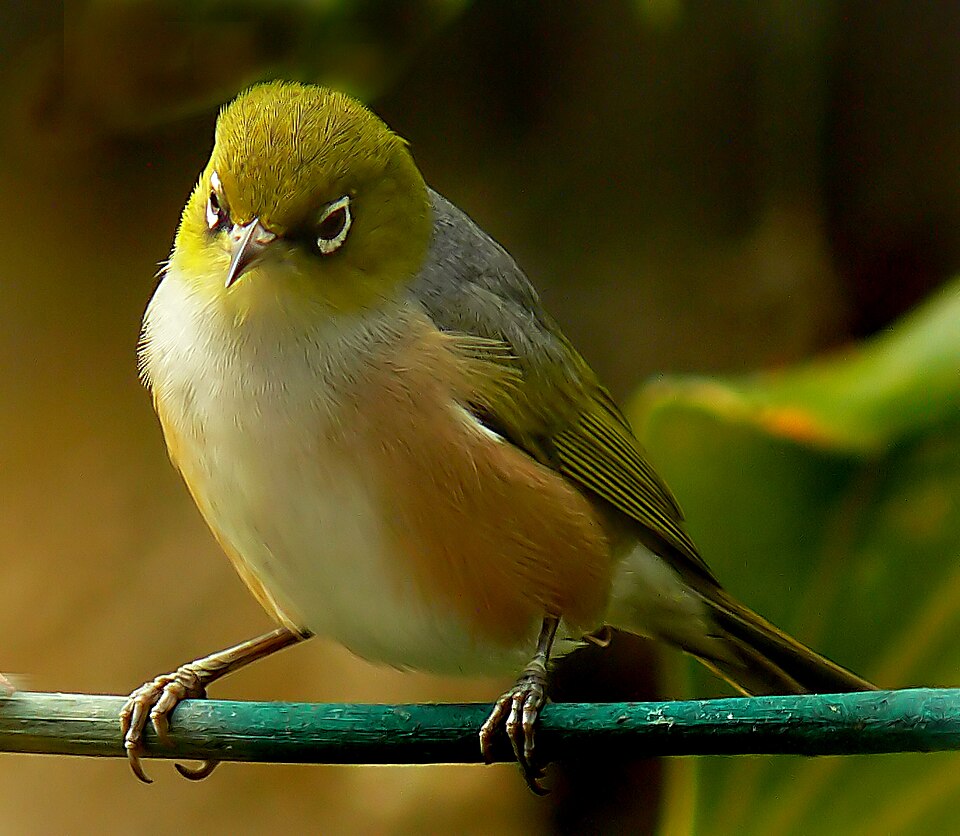 Silvereye
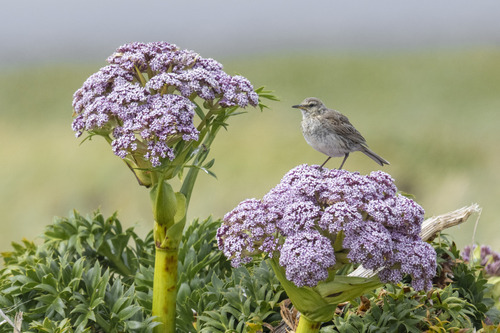 New Zealand Pipit
In breve
Il modo più affidabile per separare il Silvereye dal New Zealand Pipit è attraverso la struttura generale e le marcature facciali: il Silvereye è un uccello piccolo e compatto con un audace anello bianco attorno all'occhio, mentre il New Zealand Pipit è molto più grande, snello e privo dell'anello, ma mostra un sopracciglio pallido e un piumaggio striato. Il Silvereye appare verde oliva con fianchi variabili castano o beige, e si muove rapidamente nei cespugli; il Pipit è marrone sopra con forti striature e una lunga coda che oscilla costantemente. Queste differenze sono chiare a tutte le età e sia in vista da posato che in volo, rendendo poco probabile la confusione con un'osservazione attenta.
Consigli di identificazione
- Anello bianco attorno all'occhio (solo Silvereye): Cerca l'audace anello bianco completo attorno all'occhio. Il Pipit non mostra mai questo; se presente, hai un Silvereye di qualsiasi età o stagione.
- Dimensione e forma complessive: Il Silvereye è piccolo e compatto, con una coda corta e un corpo arrotondato. Il Pipit è molto più grande, snello, con una coda lunga e gambe lunghe. La differenza di dimensione è ovvia anche a distanza.
- Schema facciale: Il volto del Silvereye è semplice tranne che per l'anello attorno all'occhio. Il Pipit ha un sopracciglio pallido (supercilium) e strisce scure malari/moustachiali, dando un aspetto striato e lineare al volto.
- Colore del piumaggio: Il Silvereye è verde oliva sopra con fianchi variabili castano o beige e una gola pallida. Il Pipit è marrone chiaro sopra con striature scure e parti inferiori pallide e striate.
- Schema della coda e comportamento: Il Pipit ha una lunga coda con piume esterne bianche, spesso oscillata su e giù. La coda del Silvereye è più corta e non oscilla nello stesso modo.
- Colore e lunghezza delle gambe: Il Pipit ha gambe lunghe, marrone-rosate, spesso visibili mentre cammina a terra. Le gambe del Silvereye sono più corte e meno prominenti.
- Postura da posato: Il Pipit sta dritto con un corpo orizzontale e cammina o corre a terra. Il Silvereye si posa in cespugli o alberi, spesso in una postura più curva e compatta.
- Contesto dell'habitat: In prati aperti o dune, aspetta il pipit; in cespugli densi, giardini o foreste, aspetta il Silvereye.
- Comportamento di foraggiamento: Il Silvereye si muove rapidamente attraverso il fogliame, spesso in gruppi. Il Pipit è solitario o in coppie sparse, camminando a terra.
- Stile di volo: Il Silvereye compie brevi e rapidi voli tra i cespugli. Il volo del Pipit è più ondulato e diretto, spesso basso sopra il terreno.
- Parti inferiori: Le parti inferiori del Silvereye sono più chiare e possono essere giallastre o beige sui fianchi; quelle del pipit sono pallide con striature distinte sul petto.
- Forma del becco: Il Silvereye ha un becco corto e fine adatto all'onnivorismo. Il becco del Pipit è snello e appuntito, tipico degli insettivori.
- Confusione giovanile: Non sono notate marcature distintive sulle ali superiori dei giovani per nessuna delle due specie, quindi fai affidamento su volto, dimensione e struttura per i giovani uccelli.
- Variazione stagionale: Il Silvereye può mostrare alcune variazioni nel colore della gola e dei fianchi a seconda della sottospecie, ma ha sempre l'anello attorno all'occhio. Le striature e il pattern facciale del Pipit sono coerenti tutto l'anno.
- Fagotti misti: Se vedi un gruppo, specialmente in inverno, controlla per il Silvereye. I Pipit raramente si trovano in gruppi.
Taglia
Il Silvereye è un uccello molto piccolo, che misura 11–13 cm di lunghezza e pesa circa 10 g [wikipedia]. Al contrario, il New Zealand Pipit è molto più grande e pesante, con una lunghezza di 16–19 cm e un peso di circa 32–40 g [wikidata, wikipedia]. La dimensione del pipit è immediatamente evidente sul campo, apparendo quasi due volte più pesante e con un corpo molto più lungo rispetto al compatto Silvereye.
Piumaggio
Il Silvereye di tutte le età mostra un evidente anello bianco attorno all'occhio, ali verde oliva e una gola più chiara (gialla o grigia), con fianchi che possono essere castano o beige pallido. La parte inferiore della coda è bianca o gialla. I giovani non sono descritti come aventi un pattern distintivo sulle ali superiori, quindi l'anello attorno all'occhio e la colorazione generale rimangono chiave a tutte le età. Il New Zealand Pipit, indipendentemente dall'età, è marrone chiaro sopra con striature scure, parti inferiori pallide con striature sul petto e un sopracciglio pallido (supercilium). Non ha alcun anello attorno all'occhio. La lunga coda del pipit ha piume esterne bianche, spesso visibili in volo o quando oscilla. Non sono notate marcature specifiche per età sulle ali o sul volo per nessuna delle due specie, quindi i contrasti nei pattern facciali e corporei sono coerenti tutto l'anno.
Comportamento
Il Silvereye è altamente attivo, foraggiando rapidamente attraverso cespugli e alberi, spesso in gruppi, ed è raramente visto a terra per lungo tempo. Si muove con voli rapidi e repentini ed è solitamente visto in vegetazione densa o giardini. Il New Zealand Pipit, al contrario, è un abitante del suolo di campi aperti, camminando o correndo con frequenti pause e caratteristico movimento della coda. È raramente visto in alberi o cespugli densi, e la sua postura eretta e le gambe lunghe sono distintive.
Habitat
Il Silvereye si trova in quasi qualsiasi area vegetata tranne che nei prati aperti, inclusi foreste, cespugli, frutteti e giardini urbani. Preferisce aree con abbondante fogliame ed è raramente visto in campi aperti. Il New Zealand Pipit è fortemente legato a habitat aperti—prati, dune, terreni agricoli e aree costiere—dove foraggia a terra. È possibile un sovrapposizione ai margini degli habitat, ma il pipit evita i cespugli densi dove il Silvereye prospera.