

Motmot

Short-toed Rock Thrush vs Grosbeak Weaver

Monticola brevipes versus Amblyospiza albifrons

Play a quiz with Short-toed Rock Thrush and Grosbeak Weaver
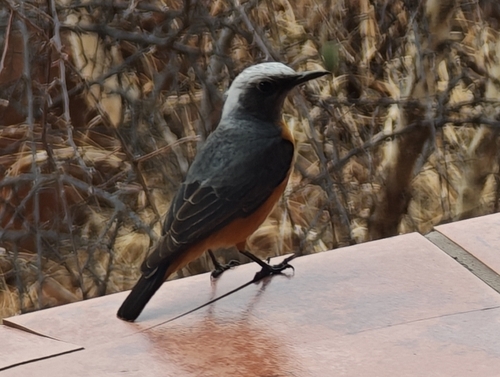
Short-toed Rock Thrush (Monticola brevipes) Short-toed Rock Thrush
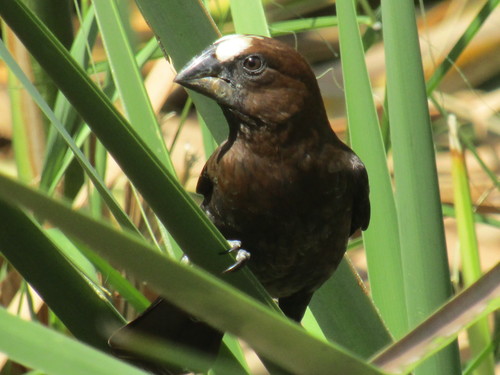
Grosbeak Weaver (Amblyospiza albifrons) Grosbeak Weaver

Media

Loading…

In short

The most reliable way to separate Short-toed Rock Thrush from Grosbeak Weaver is by bill shape: the weaver has a massive, conical bill that is immediately obvious, while the thrush has a slender, thrush-like bill. In addition, the weaver often flicks and fans its tail and is usually found in reedy wetlands, whereas the thrush prefers dry shrubland and rocky areas. Plumage differences are less pronounced in the absence of detailed notes, but structure and habitat are strong clues. If you see a bird with a huge bill in a marsh or reedbed, it is almost certainly a Grosbeak Weaver.

Identification tips

  1. Bill shape is the single best field mark: Grosbeak Weaver has a massive, conical bill that stands out even at a distance; Short-toed Rock Thrush has a slender, thrush-like bill. This works for all ages and sexes.
  2. Tail behavior: Grosbeak Weaver habitually fans and flicks its tail, especially when perched or moving through reeds. Short-toed Rock Thrush does not show this behavior.
  3. Habitat context: If the bird is in a reedbed, marsh, or wetland, think Grosbeak Weaver. If in dry, rocky shrubland, think Short-toed Rock Thrush. This is a very strong separator in southern Africa.
  4. Social behavior: Grosbeak Weaver is often seen in small colonies or loose groups, especially near their distinctive nests. Short-toed Rock Thrush is usually solitary or in pairs.
  5. Nest association: If you see globe-shaped nests woven between reeds, these are made by Grosbeak Weavers. Thrushes do not nest in reeds and do not build such structures.
  6. Head and body structure: Grosbeak Weaver appears front-heavy with a robust head and thick neck, while Short-toed Rock Thrush is more balanced and slim.
  7. Vocalizations: Harsh, unmusical calls are a clue for Grosbeak Weaver, especially if heard in a wetland context. Lack of musical song does not rule out the thrush, but is suggestive if combined with other marks.
  8. Feeding behavior: Grosbeak Weaver uses its strong bill to crack seeds and nutlets, often seen manipulating food with its bill. Thrushes are more likely to be seen foraging for insects or small fruits on the ground.
  9. Plumage pitfalls: No distinctive age-specific plumage marks are noted for either species in the sources, so do not rely on color or pattern alone.
  10. Flight jizz: While not described in detail, the weaver's heavy bill and head may give it a more labored or front-heavy flight compared to the thrush.
  11. Seasonal context: Both species can be found year-round in southern Africa, but the weaver is tied to wetlands and the thrush to dry shrubland regardless of season.
  12. Sexual dimorphism: Not detailed in the notes, so do not use sex-based plumage differences for separation.
  13. Juvenile confusion: No specific juvenile or immature wing patterns are described for either species, so structure and habitat remain your best clues for young birds.
  14. Colony presence: If you see multiple birds in a tight area with many nests, this strongly favors Grosbeak Weaver.
  15. Absence of reedbeds: If you are far from water or reeds, the likelihood of Grosbeak Weaver drops dramatically.

Size

Short-toed Rock Thrush averages about 33 grams in body mass [wikidata], while the Grosbeak Weaver's mass is not specified here, but it is generally similar or slightly larger. However, the weaver appears bulkier due to its heavy bill and robust head. In the field, the weaver's bill size and head shape make it look more front-heavy and powerful compared to the more balanced, slender appearance of the thrush.

Plumage

There is no detailed age-specific or upperwing pattern information provided for either species in the sources. Therefore, plumage alone is not a reliable separator in this case. Both species may show some variation by age or sex, but the notes do not specify any distinctive juvenile or immature marks. Focus on structural and behavioral differences for identification.

Behaviour

Grosbeak Weavers are often seen in small colonies, especially during the breeding season, and habitually fan and flick their tails. They are also known for constructing distinctive globe-shaped nests in reeds. In contrast, Short-toed Rock Thrushes are more solitary or found in pairs, and do not show the same tail-flicking behavior. The thrush is more likely to be seen perched on rocks or foraging on the ground in open, dry habitats.

Habitat

Habitat is a strong separator: Short-toed Rock Thrush is found in subtropical or tropical dry shrubland, often in rocky areas in southern Africa (Angola, Botswana, Namibia, South Africa) [wikipedia]. Grosbeak Weaver, on the other hand, is tied to reedy wetlands, marshes, and sometimes forest edges or suburban wetlands across a broader swath of Africa. If the bird is in a reedbed or wetland, it is almost certainly a Grosbeak Weaver; if in dry, rocky shrubland, it is likely a Short-toed Rock Thrush.

Voice

Grosbeak Weaver's song is described as unmusical and harsh [wikipedia], while there is no information on the Short-toed Rock Thrush's vocalizations in the provided notes. If you hear a harsh, unmelodic call from a bird with a large bill in a wetland, it supports Grosbeak Weaver. Lack of song information for the thrush means this is only a supporting clue.

Submit a better description

Use the same sections as the comparison. Your text is published immediately.

The most reliable way to separate Short-toed Rock Thrush from Grosbeak Weaver is by bill shape: the weaver has a massive, conical bill that is immediately obvious, while the thrush has a slender, thrush-like bill. In addition, the weaver often flicks and fans its tail and is usually found in reedy wetlands, whereas the thrush prefers dry shrubland and rocky areas. Plumage differences are less pronounced in the absence of detailed notes, but structure and habitat are strong clues. If you see a bird with a huge bill in a marsh or reedbed, it is almost certainly a Grosbeak Weaver.

  1. Bill shape is the single best field mark: Grosbeak Weaver has a massive, conical bill that stands out even at a distance; Short-toed Rock Thrush has a slender, thrush-like bill. This works for all ages and sexes.
  2. Tail behavior: Grosbeak Weaver habitually fans and flicks its tail, especially when perched or moving through reeds. Short-toed Rock Thrush does not show this behavior.
  3. Habitat context: If the bird is in a reedbed, marsh, or wetland, think Grosbeak Weaver. If in dry, rocky shrubland, think Short-toed Rock Thrush. This is a very strong separator in southern Africa.
  4. Social behavior: Grosbeak Weaver is often seen in small colonies or loose groups, especially near their distinctive nests. Short-toed Rock Thrush is usually solitary or in pairs.
  5. Nest association: If you see globe-shaped nests woven between reeds, these are made by Grosbeak Weavers. Thrushes do not nest in reeds and do not build such structures.
  6. Head and body structure: Grosbeak Weaver appears front-heavy with a robust head and thick neck, while Short-toed Rock Thrush is more balanced and slim.
  7. Vocalizations: Harsh, unmusical calls are a clue for Grosbeak Weaver, especially if heard in a wetland context. Lack of musical song does not rule out the thrush, but is suggestive if combined with other marks.
  8. Feeding behavior: Grosbeak Weaver uses its strong bill to crack seeds and nutlets, often seen manipulating food with its bill. Thrushes are more likely to be seen foraging for insects or small fruits on the ground.
  9. Plumage pitfalls: No distinctive age-specific plumage marks are noted for either species in the sources, so do not rely on color or pattern alone.
  10. Flight jizz: While not described in detail, the weaver's heavy bill and head may give it a more labored or front-heavy flight compared to the thrush.
  11. Seasonal context: Both species can be found year-round in southern Africa, but the weaver is tied to wetlands and the thrush to dry shrubland regardless of season.
  12. Sexual dimorphism: Not detailed in the notes, so do not use sex-based plumage differences for separation.
  13. Juvenile confusion: No specific juvenile or immature wing patterns are described for either species, so structure and habitat remain your best clues for young birds.
  14. Colony presence: If you see multiple birds in a tight area with many nests, this strongly favors Grosbeak Weaver.
  15. Absence of reedbeds: If you are far from water or reeds, the likelihood of Grosbeak Weaver drops dramatically.

Short-toed Rock Thrush averages about 33 grams in body mass [wikidata], while the Grosbeak Weaver's mass is not specified here, but it is generally similar or slightly larger. However, the weaver appears bulkier due to its heavy bill and robust head. In the field, the weaver's bill size and head shape make it look more front-heavy and powerful compared to the more balanced, slender appearance of the thrush.

There is no detailed age-specific or upperwing pattern information provided for either species in the sources. Therefore, plumage alone is not a reliable separator in this case. Both species may show some variation by age or sex, but the notes do not specify any distinctive juvenile or immature marks. Focus on structural and behavioral differences for identification.

Grosbeak Weavers are often seen in small colonies, especially during the breeding season, and habitually fan and flick their tails. They are also known for constructing distinctive globe-shaped nests in reeds. In contrast, Short-toed Rock Thrushes are more solitary or found in pairs, and do not show the same tail-flicking behavior. The thrush is more likely to be seen perched on rocks or foraging on the ground in open, dry habitats.

Habitat is a strong separator: Short-toed Rock Thrush is found in subtropical or tropical dry shrubland, often in rocky areas in southern Africa (Angola, Botswana, Namibia, South Africa) [wikipedia]. Grosbeak Weaver, on the other hand, is tied to reedy wetlands, marshes, and sometimes forest edges or suburban wetlands across a broader swath of Africa. If the bird is in a reedbed or wetland, it is almost certainly a Grosbeak Weaver; if in dry, rocky shrubland, it is likely a Short-toed Rock Thrush.

Grosbeak Weaver's song is described as unmusical and harsh [wikipedia], while there is no information on the Short-toed Rock Thrush's vocalizations in the provided notes. If you hear a harsh, unmelodic call from a bird with a large bill in a wetland, it supports Grosbeak Weaver. Lack of song information for the thrush means this is only a supporting clue.

Discard your changes?

You have unsaved edits. If you leave now, those changes will be lost.

Short-toed Rock Thrush · Grosbeak Weaver · My Tricky Birds