

short-toed rock-thrush vs grosbeak weaver
Monticola brevipes versus Amblyospiza albifrons
Jogue um quiz com short-toed rock-thrush e grosbeak weaver
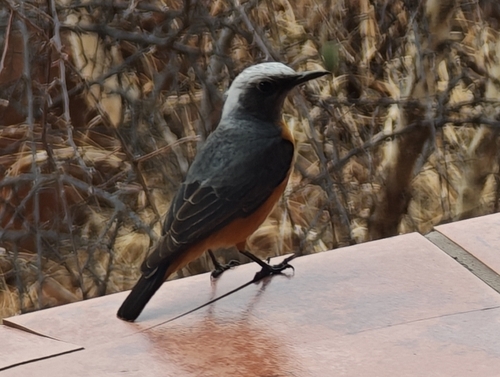 short-toed rock-thrush
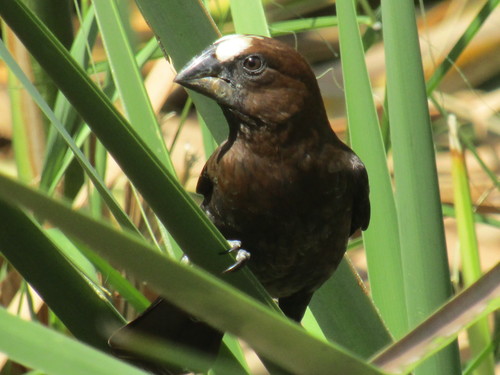 grosbeak weaver
Em resumo
A maneira mais confiável de separar o short-toed rock-thrush do grosbeak weaver é pela forma do bico: o weaver tem um bico maciço e cônico que é imediatamente óbvio, enquanto o thrush tem um bico esguio, semelhante ao de um thrush. Além disso, o weaver frequentemente agita e abre sua cauda e geralmente é encontrado em áreas úmidas com juncos, enquanto o thrush prefere áreas secas de arbustos e áreas rochosas. As diferenças de plumagem são menos pronunciadas na ausência de anotações detalhadas, mas a estrutura e o habitat são pistas fortes. Se você ver um pássaro com um bico enorme em um pântano ou canavial, é quase certamente um grosbeak weaver.
Dicas de identificação
- A forma do bico é a melhor marca de campo: O grosbeak weaver tem um bico maciço e cônico que se destaca mesmo à distância; o short-toed rock-thrush tem um bico esguio, semelhante ao de um thrush. Isso funciona para todas as idades e sexos.
- Comportamento da cauda: O grosbeak weaver habitualmente abre e agita sua cauda, especialmente quando empoleirado ou se movendo através de juncos. O short-toed rock-thrush não apresenta esse comportamento.
- Contexto do habitat: Se o pássaro estiver em um canavial, pântano ou área úmida, pense em grosbeak weaver. Se em um arbusto seco e rochoso, pense em short-toed rock-thrush. Este é um separador muito forte no sul da África.
- Comportamento social: O grosbeak weaver é frequentemente visto em pequenas colônias ou grupos soltos, especialmente perto de seus ninhos distintos. O short-toed rock-thrush é geralmente solitário ou em pares.
- Associação de ninho: Se você ver ninhos em forma de globo entre juncos, estes são feitos por grosbeak weavers. Os thrushes não fazem ninhos em juncos e não constroem tais estruturas.
- Estrutura da cabeça e do corpo: O grosbeak weaver parece ter a parte frontal pesada, com uma cabeça robusta e pescoço grosso, enquanto o short-toed rock-thrush é mais equilibrado e esguio.
- Vocalizações: Chamadas ásperas e não musicais são uma pista para o grosbeak weaver, especialmente se ouvidas em um contexto de área úmida. A falta de canto musical não exclui o thrush, mas é sugestiva se combinada com outras marcas.
- Comportamento alimentar: O grosbeak weaver usa seu bico forte para quebrar sementes e pequenos frutos, frequentemente visto manipulando comida com seu bico. Os thrushes são mais propensos a serem vistos forrageando por insetos ou pequenos frutos no chão.
- Armadilhas de plumagem: Nenhuma marca de plumagem específica para idade é notada para nenhuma das espécies nas fontes, portanto, não confie apenas na cor ou padrão.
- Voo: Embora não descrito em detalhes, o bico pesado e a cabeça do weaver podem dar a ele um voo mais pesado ou com a parte frontal mais pesada em comparação com o thrush.
- Contexto sazonal: Ambas as espécies podem ser encontradas durante todo o ano no sul da África, mas o weaver está ligado a áreas úmidas e o thrush a arbustos secos, independentemente da estação.
- Dimorfismo sexual: Não detalhado nas anotações, portanto, não use diferenças de plumagem baseadas no sexo para separação.
- Confusão juvenil: Nenhum padrão específico de asas juvenis ou imaturas é descrito para nenhuma das espécies, portanto, a estrutura e o habitat permanecem suas melhores pistas para jovens pássaros.
- Presença de colônia: Se você ver vários pássaros em uma área apertada com muitos ninhos, isso favorece fortemente o grosbeak weaver.
- Ausência de canaviais: Se você estiver longe da água ou de juncos, a probabilidade de encontrar um grosbeak weaver cai dramaticamente.
Tamanho
O short-toed rock-thrush tem uma média de cerca de 33 gramas de massa corporal [wikidata], enquanto a massa do grosbeak weaver não é especificada aqui, mas geralmente é semelhante ou ligeiramente maior. No entanto, o weaver parece mais robusto devido ao seu bico pesado e cabeça robusta. No campo, o tamanho do bico e a forma da cabeça do weaver fazem com que ele pareça mais pesado na frente e poderoso em comparação com a aparência mais equilibrada e esguia do thrush.
Plumagem
Não há informações detalhadas sobre marcas de plumagem específicas para idade ou padrão de asa superior fornecidas para nenhuma das espécies nas fontes. Portanto, a plumagem sozinha não é um separador confiável neste caso. Ambas as espécies podem mostrar alguma variação por idade ou sexo, mas as anotações não especificam marcas distintivas juvenis ou imaturas. Foque nas diferenças estruturais e comportamentais para identificação.
Comportamento
Os grosbeak weavers são frequentemente vistos em pequenas colônias, especialmente durante a temporada de reprodução, e habitualmente abrem e agitam suas caudas. Eles também são conhecidos por construir ninhos em forma de globo distintos em juncos. Em contraste, os short-toed rock-thrushes são mais solitários ou encontrados em pares, e não apresentam o mesmo comportamento de agitar a cauda. O thrush é mais propenso a ser visto empoleirado em rochas ou forrageando no chão em habitats abertos e secos.
Habitat
O habitat é um separador forte: o short-toed rock-thrush é encontrado em arbustos secos subtropicais ou tropicais, frequentemente em áreas rochosas no sul da África (Angola, Botswana, Namíbia, África do Sul) [wikipedia]. O grosbeak weaver, por outro lado, está ligado a áreas úmidas com juncos, pântanos e, às vezes, bordas de florestas ou áreas úmidas suburbanas em uma faixa mais ampla da África. Se o pássaro estiver em um canavial ou área úmida, é quase certamente um grosbeak weaver; se em arbustos secos e rochosos, é provavelmente um short-toed rock-thrush.
Voz
O canto do grosbeak weaver é descrito como não musical e áspero [wikipedia], enquanto não há informações sobre as vocalizações do short-toed rock-thrush nas anotações fornecidas. Se você ouvir uma chamada áspera e não melódica de um pássaro com um bico grande em uma área úmida, isso apoia a identificação de grosbeak weaver. A falta de informações sobre o canto do thrush significa que isso é apenas uma pista de apoio.
short-toed rock-thrush · grosbeak weaver · Minhas aves difíceis