

Motmot

シロガシライソヒヨ 対 ハシブトハタオリ

Monticola brevipes 対 Amblyospiza albifrons

シロガシライソヒヨとハシブトハタオリのクイズ
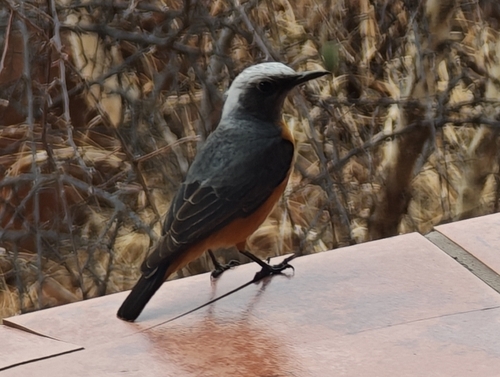
シロガシライソヒヨ (Monticola brevipes) シロガシライソヒヨ
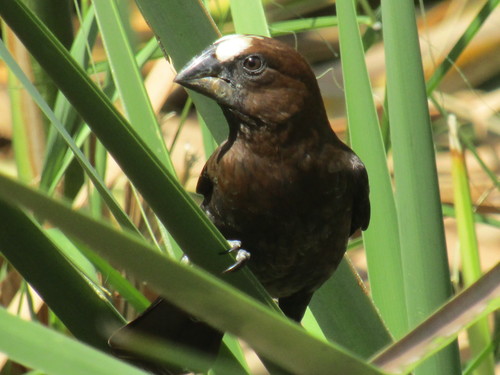
ハシブトハタオリ (Amblyospiza albifrons) ハシブトハタオリ

メディア

読み込み中…

要点

シロガシライソヒヨとハシブトハタオリを区別する最も信頼できる方法は、くちばしの形です:ハタオリは巨大で円錐形のくちばしを持ち、一目でわかりますが、シロガシライソヒヨは細長い、ヒヨドリのようなくちばしを持っています。さらに、ハタオリはしばしば尾をひらひらさせたり扇いだりし、通常は葦の湿地に生息していますが、シロガシライソヒヨは乾燥した低木地帯や岩場を好みます。羽毛の違いは詳細なメモがないとあまり目立ちませんが、構造と生息地は強い手がかりです。もし湿地や葦原で巨大なくちばしを持つ鳥を見たら、それはほぼ確実にハシブトハタオリです。

識別のコツ

  1. くちばしの形は最も良いフィールドマーク:ハシブトハタオリは巨大で円錐形のくちばしを持ち、遠くからでも目立ちます;シロガシライソヒヨは細長い、ヒヨドリのようなくちばしを持っています。これはすべての年齢と性別に当てはまります。
  2. 尾の行動:ハシブトハタオリは、特に止まっているときや葦の中を移動しているときに、習慣的に尾を扇いだりひらひらさせたりします。シロガシライソヒヨはこの行動を示しません。
  3. 生息地の文脈:もし鳥が葦原、湿地、または湿地帯にいる場合は、ハシブトハタオリを考えてください。乾燥した岩場の低木地帯にいる場合は、シロガシライソヒヨを考えてください。これは南アフリカでは非常に強い区別要因です。
  4. 社会的行動:ハシブトハタオリは、特にその特徴的な巣の近くで、小さなコロニーや緩い群れで見られることが多いです。シロガシライソヒヨは通常、単独またはペアで見られます。
  5. 巣の関連性:もし葦の間に編まれた球形の巣を見たら、それはハシブトハタオリによって作られたものです。ヒヨドリは葦に巣を作らず、そのような構造を築きません。
  6. 頭と体の構造:ハシブトハタオリは、頑丈な頭と太い首を持ち、前重心に見えますが、シロガシライソヒヨはよりバランスが取れたスリムな外観です。
  7. 鳴き声:ハシブトハタオリの厳しい、音楽的でない鳴き声は、特に湿地の文脈で聞かれると手がかりになります。音楽的な歌がないことはヒヨドリを除外するものではありませんが、他のマークと組み合わせると示唆的です。
  8. 採餌行動:ハシブトハタオリは強いくちばしを使って種子やナッツを割るため、しばしばくちばしで食べ物を操作しているのが見られます。ヒヨドリは、地面で昆虫や小さな果物を探しているのが見られることが多いです。
  9. 羽毛の落とし穴:どちらの種についても、特定の年齢に特有の羽毛マークは記載されていないため、色やパターンだけに頼らないでください。
  10. 飛行の特徴:詳細には説明されていませんが、ハタオリの重いくちばしと頭は、ヒヨドリに比べてより労力を要する、または前重心の飛行を与えるかもしれません。
  11. 季節的文脈:両種は南アフリカで年間を通じて見られますが、ハタオリは湿地に、ヒヨドリは乾燥した低木地帯に結びついています。
  12. 性差の二形性:メモには詳細が記載されていないため、性別に基づく羽毛の違いを区別に使用しないでください。
  13. 幼鳥の混乱:どちらの種についても特定の幼鳥や未熟な翼のパターンは記載されていないため、構造と生息地が若い鳥の最良の手がかりとなります。
  14. コロニーの存在:もし多くの巣がある狭いエリアに複数の鳥がいるのを見たら、これはハシブトハタオリを強く支持します。
  15. 葦原の不在:もし水や葦から遠く離れている場合、ハシブトハタオリの可能性は劇的に低下します。

大きさ

シロガシライソヒヨは体重が約33グラムであるのに対し、ハシブトハタオリの体重はここでは指定されていませんが、一般的には似ているか、やや大きいです。しかし、ハタオリは重いくちばしと頑丈な頭のため、よりがっしりとした印象を与えます。フィールドでは、ハタオリのくちばしの大きさと頭の形が、よりバランスの取れた細長い外観のヒヨドリに比べて、前重心で力強く見えます。

羽色

どちらの種についても、年齢特有の詳細な羽毛や上翼のパターン情報は提供されていません。したがって、羽毛だけではこの場合の信頼できる区別要因にはなりません。両種は年齢や性別によっていくつかの変異を示す可能性がありますが、メモには特定の幼鳥や未熟なマークは指定されていません。識別には構造的および行動的な違いに焦点を当ててください。

行動

ハシブトハタオリは、繁殖期には特に小さなコロニーで見られることが多く、習慣的に尾を扇いだりひらひらさせたりします。彼らはまた、葦の中に特徴的な球形の巣を作ることで知られています。対照的に、シロガシライソヒヨはより孤独であったりペアで見られたりし、同じ尾をひらひらさせる行動を示しません。ヒヨドリは、乾燥した開けた生息地で岩の上に止まっているか、地面で採餌しているのが見られることが多いです。

生息環境

生息地は強い区別要因です:シロガシライソヒヨは、南アフリカの亜熱帯または熱帯の乾燥した低木地帯、しばしば岩場に生息しています(アンゴラ、ボツワナ、ナミビア、南アフリカ)[wikipedia]。一方、ハシブトハタオリは、葦の湿地、湿地、時には森林の端や郊外の湿地に結びついています。もし鳥が葦原や湿地にいるなら、それはほぼ確実にハシブトハタオリです;乾燥した岩場の低木地帯にいるなら、それはおそらくシロガシライソヒヨです。

声

ハシブトハタオリの歌は音楽的でなく厳しいと説明されています[wikipedia]が、提供されたメモにはシロガシライソヒヨの鳴き声に関する情報はありません。もし湿地で大きなくちばしを持つ鳥から厳しい音楽的でない鳴き声を聞いたら、それはハシブトハタオリを支持します。ヒヨドリの歌に関する情報がないため、これはあくまで補助的な手がかりです。

より良い説明を送る

比較と同じ項目を使ってください。文章はすぐに公開されます。

The most reliable way to separate Short-toed Rock Thrush from Grosbeak Weaver is by bill shape: the weaver has a massive, conical bill that is immediately obvious, while the thrush has a slender, thrush-like bill. In addition, the weaver often flicks and fans its tail and is usually found in reedy wetlands, whereas the thrush prefers dry shrubland and rocky areas. Plumage differences are less pronounced in the absence of detailed notes, but structure and habitat are strong clues. If you see a bird with a huge bill in a marsh or reedbed, it is almost certainly a Grosbeak Weaver.

  1. Bill shape is the single best field mark: Grosbeak Weaver has a massive, conical bill that stands out even at a distance; Short-toed Rock Thrush has a slender, thrush-like bill. This works for all ages and sexes.
  2. Tail behavior: Grosbeak Weaver habitually fans and flicks its tail, especially when perched or moving through reeds. Short-toed Rock Thrush does not show this behavior.
  3. Habitat context: If the bird is in a reedbed, marsh, or wetland, think Grosbeak Weaver. If in dry, rocky shrubland, think Short-toed Rock Thrush. This is a very strong separator in southern Africa.
  4. Social behavior: Grosbeak Weaver is often seen in small colonies or loose groups, especially near their distinctive nests. Short-toed Rock Thrush is usually solitary or in pairs.
  5. Nest association: If you see globe-shaped nests woven between reeds, these are made by Grosbeak Weavers. Thrushes do not nest in reeds and do not build such structures.
  6. Head and body structure: Grosbeak Weaver appears front-heavy with a robust head and thick neck, while Short-toed Rock Thrush is more balanced and slim.
  7. Vocalizations: Harsh, unmusical calls are a clue for Grosbeak Weaver, especially if heard in a wetland context. Lack of musical song does not rule out the thrush, but is suggestive if combined with other marks.
  8. Feeding behavior: Grosbeak Weaver uses its strong bill to crack seeds and nutlets, often seen manipulating food with its bill. Thrushes are more likely to be seen foraging for insects or small fruits on the ground.
  9. Plumage pitfalls: No distinctive age-specific plumage marks are noted for either species in the sources, so do not rely on color or pattern alone.
  10. Flight jizz: While not described in detail, the weaver's heavy bill and head may give it a more labored or front-heavy flight compared to the thrush.
  11. Seasonal context: Both species can be found year-round in southern Africa, but the weaver is tied to wetlands and the thrush to dry shrubland regardless of season.
  12. Sexual dimorphism: Not detailed in the notes, so do not use sex-based plumage differences for separation.
  13. Juvenile confusion: No specific juvenile or immature wing patterns are described for either species, so structure and habitat remain your best clues for young birds.
  14. Colony presence: If you see multiple birds in a tight area with many nests, this strongly favors Grosbeak Weaver.
  15. Absence of reedbeds: If you are far from water or reeds, the likelihood of Grosbeak Weaver drops dramatically.

Short-toed Rock Thrush averages about 33 grams in body mass [wikidata], while the Grosbeak Weaver's mass is not specified here, but it is generally similar or slightly larger. However, the weaver appears bulkier due to its heavy bill and robust head. In the field, the weaver's bill size and head shape make it look more front-heavy and powerful compared to the more balanced, slender appearance of the thrush.

There is no detailed age-specific or upperwing pattern information provided for either species in the sources. Therefore, plumage alone is not a reliable separator in this case. Both species may show some variation by age or sex, but the notes do not specify any distinctive juvenile or immature marks. Focus on structural and behavioral differences for identification.

Grosbeak Weavers are often seen in small colonies, especially during the breeding season, and habitually fan and flick their tails. They are also known for constructing distinctive globe-shaped nests in reeds. In contrast, Short-toed Rock Thrushes are more solitary or found in pairs, and do not show the same tail-flicking behavior. The thrush is more likely to be seen perched on rocks or foraging on the ground in open, dry habitats.

Habitat is a strong separator: Short-toed Rock Thrush is found in subtropical or tropical dry shrubland, often in rocky areas in southern Africa (Angola, Botswana, Namibia, South Africa) [wikipedia]. Grosbeak Weaver, on the other hand, is tied to reedy wetlands, marshes, and sometimes forest edges or suburban wetlands across a broader swath of Africa. If the bird is in a reedbed or wetland, it is almost certainly a Grosbeak Weaver; if in dry, rocky shrubland, it is likely a Short-toed Rock Thrush.

Grosbeak Weaver's song is described as unmusical and harsh [wikipedia], while there is no information on the Short-toed Rock Thrush's vocalizations in the provided notes. If you hear a harsh, unmelodic call from a bird with a large bill in a wetland, it supports Grosbeak Weaver. Lack of song information for the thrush means this is only a supporting clue.

変更を破棄しますか?

保存していない編集があります。今離れると失われます。

シロガシライソヒヨ · ハシブトハタオリ · 苦手な鳥