

Short-toed Rock-Thrush vs Grosbeak Weaver
Monticola brevipes contro Amblyospiza albifrons
Fai un quiz con Short-toed Rock-Thrush e Grosbeak Weaver
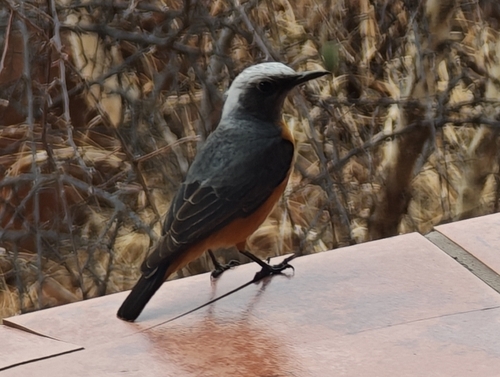 Short-toed Rock-Thrush
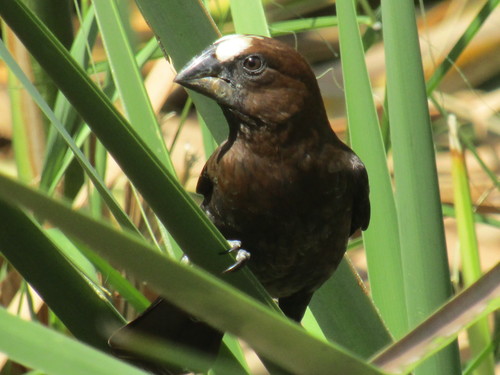 Grosbeak Weaver
In breve
Il modo più affidabile per separare il Short-toed Rock-Thrush dal Grosbeak Weaver è la forma del becco: il weaver ha un becco massiccio e conico che è immediatamente evidente, mentre il thrush ha un becco snello, simile a quello di un thrush. Inoltre, il weaver spesso agita e apre la coda ed è solitamente trovato in zone umide con canne, mentre il thrush preferisce terreni aridi e rocciosi. Le differenze nel piumaggio sono meno pronunciate in assenza di note dettagliate, ma la struttura e l'habitat sono indizi forti. Se vedi un uccello con un enorme becco in una palude o in un letto di canne, è quasi certamente un Grosbeak Weaver.
Consigli di identificazione
- La forma del becco è il miglior segno sul campo: il Grosbeak Weaver ha un becco massiccio e conico che si distingue anche da lontano; il Short-toed Rock-Thrush ha un becco snello, simile a quello di un thrush. Questo vale per tutte le età e i sessi.
- Comportamento della coda: il Grosbeak Weaver abitualmente apre e agita la coda, specialmente quando è appollaiato o si muove tra le canne. Il Short-toed Rock-Thrush non mostra questo comportamento.
- Contesto dell'habitat: se l'uccello si trova in un letto di canne, in una palude o in una zona umida, pensa a Grosbeak Weaver. Se si trova in un terreno arido e roccioso, pensa a Short-toed Rock-Thrush. Questo è un separatore molto forte nel sud dell'Africa.
- Comportamento sociale: il Grosbeak Weaver è spesso visto in piccole colonie o gruppi sciolti, specialmente vicino ai loro nidi distintivi. Il Short-toed Rock-Thrush è solitamente solitario o in coppie.
- Associazione ai nidi: se vedi nidi a forma di globo intrecciati tra le canne, questi sono fatti dai Grosbeak Weavers. I thrush non nidificano nelle canne e non costruiscono tali strutture.
- Struttura della testa e del corpo: il Grosbeak Weaver appare pesante nella parte anteriore con una testa robusta e un collo spesso, mentre il Short-toed Rock-Thrush è più equilibrato e snello.
- Vocalizzazioni: richiami aspri e non musicali sono un indizio per il Grosbeak Weaver, specialmente se uditi in un contesto umido. La mancanza di canto musicale non esclude il thrush, ma è suggestiva se combinata con altri segni.
- Comportamento alimentare: il Grosbeak Weaver usa il suo forte becco per rompere semi e noci, spesso visto mentre manipola il cibo con il becco. I thrush sono più propensi a essere visti cercare insetti o piccoli frutti a terra.
- Trappole nel piumaggio: non sono notati segni distintivi specifici per età nel piumaggio per nessuna delle due specie nelle fonti, quindi non fare affidamento solo sul colore o sul motivo.
- Volo: anche se non descritto in dettaglio, il becco pesante e la testa del weaver possono dargli un volo più faticoso o pesante nella parte anteriore rispetto al thrush.
- Contesto stagionale: entrambe le specie possono essere trovate tutto l'anno nel sud dell'Africa, ma il weaver è legato alle zone umide e il thrush ai terreni aridi indipendentemente dalla stagione.
- Dimorfismo sessuale: non dettagliato nelle note, quindi non utilizzare differenze nel piumaggio basate sul sesso per la separazione.
- Confusione giovanile: non sono descritti schemi specifici di ali per i giovani o immaturi per nessuna delle due specie, quindi la struttura e l'habitat rimangono i tuoi migliori indizi per i giovani uccelli.
- Presenza di colonie: se vedi più uccelli in un'area ristretta con molti nidi, questo favorisce fortemente il Grosbeak Weaver.
- Assenza di letti di canne: se sei lontano dall'acqua o dalle canne, la probabilità di Grosbeak Weaver diminuisce drasticamente.
Taglia
Il Short-toed Rock-Thrush pesa in media circa 33 grammi [wikidata], mentre la massa del Grosbeak Weaver non è specificata qui, ma è generalmente simile o leggermente più grande. Tuttavia, il weaver appare più robusto a causa del suo becco pesante e della testa robusta. Sul campo, la dimensione del becco e la forma della testa del weaver lo fanno sembrare più pesante nella parte anteriore e potente rispetto all'aspetto più equilibrato e snello del thrush.
Piumaggio
Non sono fornite informazioni dettagliate sul piumaggio specifico per età o sul motivo delle ali per nessuna delle due specie nelle fonti. Pertanto, il piumaggio da solo non è un separatore affidabile in questo caso. Entrambe le specie possono mostrare alcune variazioni in base all'età o al sesso, ma le note non specificano segni distintivi per i giovani o immaturi. Concentrati sulle differenze strutturali e comportamentali per l'identificazione.
Comportamento
I Grosbeak Weavers sono spesso visti in piccole colonie, specialmente durante la stagione della riproduzione, e abitualmente aprono e agitando le loro code. Sono anche noti per costruire nidi distintivi a forma di globo nelle canne. Al contrario, i Short-toed Rock-Thrushes sono più solitari o si trovano in coppie e non mostrano lo stesso comportamento di agitazione della coda. Il thrush è più propenso a essere visto appollaiato su rocce o a cercare cibo a terra in habitat aperti e aridi.
Habitat
L'habitat è un forte separatore: il Short-toed Rock-Thrush si trova in terreni aridi subtropicali o tropicali, spesso in aree rocciose nel sud dell'Africa (Angola, Botswana, Namibia, Sudafrica) [wikipedia]. Il Grosbeak Weaver, d'altra parte, è legato a zone umide con canne, paludi e talvolta ai margini delle foreste o a zone umide suburbane in una fascia più ampia dell'Africa. Se l'uccello si trova in un letto di canne o in una zona umida, è quasi certamente un Grosbeak Weaver; se si trova in un terreno arido e roccioso, è probabile che sia un Short-toed Rock-Thrush.
Voce
Il canto del Grosbeak Weaver è descritto come non musicale e aspro [wikipedia], mentre non ci sono informazioni sulle vocalizzazioni del Short-toed Rock-Thrush nelle note fornite. Se senti un richiamo aspro e non melodico da un uccello con un grande becco in una zona umida, supporta l'identificazione del Grosbeak Weaver. La mancanza di informazioni sul canto del thrush significa che questo è solo un indizio di supporto.
Short-toed Rock-Thrush · Grosbeak Weaver · I miei uccelli difficili