

Motmot

Olive-winged Bulbul vs Ayeyarwady Bulbul

Pycnonotus plumosus versus Pycnonotus blanfordi

Play a quiz with Olive-winged Bulbul and Ayeyarwady Bulbul
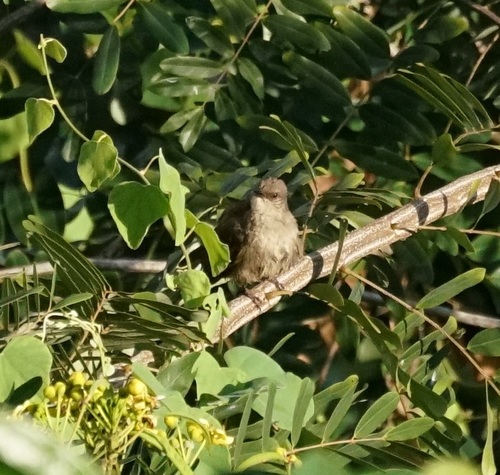
Olive-winged Bulbul (Pycnonotus plumosus) Olive-winged Bulbul
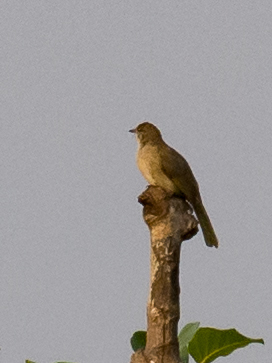
Ayeyarwady Bulbul (Pycnonotus blanfordi) Ayeyarwady Bulbul

Media

Loading…

In short

The most reliable way to separate Olive-winged Bulbul from Ayeyarwady Bulbul is by range: Olive-winged occurs across southeast Asia and the Greater Sunda Islands, while Ayeyarwady is restricted to Myanmar. Both species are very similar in overall appearance and habitat preference, and there are no documented differences in age-specific wing or flight patterns, nor in adult plumage details, that can be used in the field. If you are birding in Myanmar, Ayeyarwady Bulbul is the default; elsewhere in southeast Asia, Olive-winged is expected. Structural and vocal differences are not described in available sources, so separation relies almost entirely on location.

Identification tips

  1. Geographic range is the key field mark: If you are in Myanmar, expect Ayeyarwady Bulbul; elsewhere in southeast Asia and the Greater Sunda Islands, it will be Olive-winged Bulbul. This is the most reliable separation.
  2. Plumage is not diagnostic: Both species look extremely similar in all plumages, including juveniles and adults. Do not rely on color, wing pattern, or tail shape for separation.
  3. No known age-specific flight marks: There are no described differences in upperwing or flight pattern for any age class.
  4. Size is not a useful field mark: Only Ayeyarwady Bulbul has a documented mass, and there is no evidence of a noticeable size difference in the field.
  5. Habitat overlap: Both occur in subtropical or tropical moist lowland forests; habitat alone will not separate them unless combined with geography.
  6. Behavioral cues are not helpful: Both species behave like typical bulbuls and show no known behavioral distinctions.
  7. Vocalization is undocumented: There are no published differences in song or call; do not use voice for identification.
  8. Taxonomic history: Ayeyarwady Bulbul was formerly considered a subspecies of Olive-winged, explaining their close resemblance.
  9. Contextual clues: If birding near the Myanmar border, be aware of possible range overlap, but within Myanmar, Ayeyarwady is expected; outside, Olive-winged is the default.
  10. Checklist approach: Always check your location first when encountering this bulbul pair, as visual and auditory field marks are not reliable for separation.

Size

Only Ayeyarwady Bulbul has a documented body mass (33.0 g [wikidata]); no measurement is available for Olive-winged Bulbul. Both species are typical medium-sized bulbuls, and there is no indication of a noticeable size difference in the field.

Plumage

No sources describe any diagnostic differences in plumage between Olive-winged and Ayeyarwady Bulbul, for adults or immatures. Both share the typical bulbul patterning and coloration, and there are no reported differences in wing pattern, tail shape, or age-specific marks. The only historical note is that Ayeyarwady Bulbul was formerly considered a subspecies of Olive-winged, which further suggests close similarity in appearance.

Behaviour

Both species occupy similar ecological niches and show typical bulbul behavior in subtropical or tropical moist lowland forests. There are no described behavioral differences that would allow field separation.

Habitat

Both species are associated with subtropical or tropical moist lowland forests. Olive-winged Bulbul is found across southeast Asia and the Greater Sunda Islands, while Ayeyarwady Bulbul is endemic to Myanmar. Habitat preference within these forests is not described as different, so the main distinction is geographic range.

Voice

No sources provide information on vocal differences between Olive-winged and Ayeyarwady Bulbul. Use of voice for separation is not supported by the available notes.

Submit a better description

Use the same sections as the comparison. Your text is published immediately.

The most reliable way to separate Olive-winged Bulbul from Ayeyarwady Bulbul is by range: Olive-winged occurs across southeast Asia and the Greater Sunda Islands, while Ayeyarwady is restricted to Myanmar. Both species are very similar in overall appearance and habitat preference, and there are no documented differences in age-specific wing or flight patterns, nor in adult plumage details, that can be used in the field. If you are birding in Myanmar, Ayeyarwady Bulbul is the default; elsewhere in southeast Asia, Olive-winged is expected. Structural and vocal differences are not described in available sources, so separation relies almost entirely on location.

  1. Geographic range is the key field mark: If you are in Myanmar, expect Ayeyarwady Bulbul; elsewhere in southeast Asia and the Greater Sunda Islands, it will be Olive-winged Bulbul. This is the most reliable separation.
  2. Plumage is not diagnostic: Both species look extremely similar in all plumages, including juveniles and adults. Do not rely on color, wing pattern, or tail shape for separation.
  3. No known age-specific flight marks: There are no described differences in upperwing or flight pattern for any age class.
  4. Size is not a useful field mark: Only Ayeyarwady Bulbul has a documented mass, and there is no evidence of a noticeable size difference in the field.
  5. Habitat overlap: Both occur in subtropical or tropical moist lowland forests; habitat alone will not separate them unless combined with geography.
  6. Behavioral cues are not helpful: Both species behave like typical bulbuls and show no known behavioral distinctions.
  7. Vocalization is undocumented: There are no published differences in song or call; do not use voice for identification.
  8. Taxonomic history: Ayeyarwady Bulbul was formerly considered a subspecies of Olive-winged, explaining their close resemblance.
  9. Contextual clues: If birding near the Myanmar border, be aware of possible range overlap, but within Myanmar, Ayeyarwady is expected; outside, Olive-winged is the default.
  10. Checklist approach: Always check your location first when encountering this bulbul pair, as visual and auditory field marks are not reliable for separation.

Only Ayeyarwady Bulbul has a documented body mass (33.0 g [wikidata]); no measurement is available for Olive-winged Bulbul. Both species are typical medium-sized bulbuls, and there is no indication of a noticeable size difference in the field.

No sources describe any diagnostic differences in plumage between Olive-winged and Ayeyarwady Bulbul, for adults or immatures. Both share the typical bulbul patterning and coloration, and there are no reported differences in wing pattern, tail shape, or age-specific marks. The only historical note is that Ayeyarwady Bulbul was formerly considered a subspecies of Olive-winged, which further suggests close similarity in appearance.

Both species occupy similar ecological niches and show typical bulbul behavior in subtropical or tropical moist lowland forests. There are no described behavioral differences that would allow field separation.

Both species are associated with subtropical or tropical moist lowland forests. Olive-winged Bulbul is found across southeast Asia and the Greater Sunda Islands, while Ayeyarwady Bulbul is endemic to Myanmar. Habitat preference within these forests is not described as different, so the main distinction is geographic range.

No sources provide information on vocal differences between Olive-winged and Ayeyarwady Bulbul. Use of voice for separation is not supported by the available notes.

Discard your changes?

You have unsaved edits. If you leave now, those changes will be lost.

Olive-winged Bulbul · Ayeyarwady Bulbul · My Tricky Birds