

Motmot

アカメヒヨドリ 対 イラワディヒヨドリ

Pycnonotus plumosus 対 Pycnonotus blanfordi

アカメヒヨドリとイラワディヒヨドリのクイズ
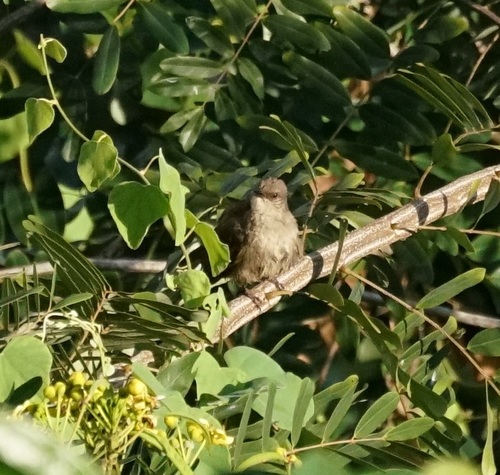
アカメヒヨドリ (Pycnonotus plumosus) アカメヒヨドリ
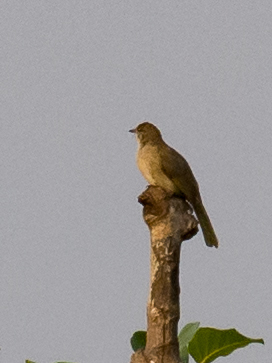
イラワディヒヨドリ (Pycnonotus blanfordi) イラワディヒヨドリ

メディア

読み込み中…

要点

オリーブ翼ヒヨドリとイラワディヒヨドリを区別する最も信頼できる方法は分布によるものです:オリーブ翼は東南アジアとグレートスンダ諸島全体に生息していますが、イラワディはミャンマーに限定されています。両種は全体的な外観と生息地の好みが非常に似ており、フィールドで使用できる年齢特有の翼や飛行パターン、または成鳥の羽毛の詳細に関する文書化された違いはありません。ミャンマーでバードウォッチングをしている場合、イラワディヒヨドリがデフォルトです;それ以外の東南アジアでは、オリーブ翼が期待されます。構造的および声の違いは利用可能な情報源には記載されていないため、区別はほぼ完全に位置に依存します。

識別のコツ

  1. 地理的分布が重要なフィールドマークです: ミャンマーにいる場合はイラワディヒヨドリを期待してください;東南アジアやグレートスンダ諸島の他の場所では、オリーブ翼ヒヨドリになります。これが最も信頼できる区別です。
  2. 羽毛は診断的ではありません: 両種はすべての羽毛、幼鳥および成鳥を含めて非常に似ています。区別のために色、翼のパターン、または尾の形状に頼らないでください。
  3. 年齢特有の飛行マークは知られていません: どの年齢クラスに対しても上翼や飛行パターンの違いは記載されていません。
  4. サイズは有用なフィールドマークではありません: イラワディヒヨドリのみが文書化された質量を持ち、フィールドでの顕著なサイズの違いの証拠はありません。
  5. 生息地の重複: 両種は亜熱帯または熱帯の湿潤低地林に生息しています;生息地だけでは地理と組み合わせない限り、区別できません。
  6. 行動の手がかりは役に立ちません: 両種は典型的なヒヨドリのように振る舞い、知られている行動の違いはありません。
  7. 声は文書化されていません: 歌や呼び声の違いは発表されていません;同定のために声を使用しないでください。
  8. 分類学的歴史: イラワディヒヨドリは以前はオリーブ翼の亜種と考えられており、その近似性を説明しています。
  9. 文脈的手がかり: ミャンマー国境近くでバードウォッチングをしている場合、範囲の重複の可能性に注意してくださいが、ミャンマー内ではイラワディが期待されます;外ではオリーブ翼がデフォルトです。
  10. チェックリストアプローチ: このヒヨドリのペアに出会ったときは、視覚的および聴覚的フィールドマークが区別に信頼できないため、まず位置を確認してください。

大きさ

イラワディヒヨドリのみが文書化された体重(33.0 g [wikidata])を持ち、オリーブ翼ヒヨドリの測定値は利用できません。両種は典型的な中型のヒヨドリであり、フィールドでの顕著なサイズの違いの兆候はありません。

羽色

オリーブ翼ヒヨドリとイラワディヒヨドリの間で、成鳥または幼鳥の羽毛に関する診断的な違いを記載した情報源はありません。両者は典型的なヒヨドリのパターンと色合いを共有しており、翼のパターン、尾の形状、または年齢特有のマークに関する報告された違いはありません。唯一の歴史的な注記は、イラワディヒヨドリが以前はオリーブ翼の亜種と考えられていたことで、外観の近似性をさらに示唆しています。

行動

両種は類似の生態的ニッチを占め、亜熱帯または熱帯の湿潤低地林で典型的なヒヨドリの行動を示します。フィールドでの区別を可能にする行動の違いは記載されていません。

生息環境

両種は亜熱帯または熱帯の湿潤低地林に関連しています。オリーブ翼ヒヨドリは東南アジアとグレートスンダ諸島全体に見られますが、イラワディヒヨドリはミャンマーに特有です。これらの森林内での生息地の好みは異なるとは記載されていないため、主な区別は地理的分布です。

声

オリーブ翼ヒヨドリとイラワディヒヨドリの間の声の違いに関する情報を提供する情報源はありません。声を使用しての区別は利用可能なノートによって支持されていません。

より良い説明を送る

比較と同じ項目を使ってください。文章はすぐに公開されます。

The most reliable way to separate Olive-winged Bulbul from Ayeyarwady Bulbul is by range: Olive-winged occurs across southeast Asia and the Greater Sunda Islands, while Ayeyarwady is restricted to Myanmar. Both species are very similar in overall appearance and habitat preference, and there are no documented differences in age-specific wing or flight patterns, nor in adult plumage details, that can be used in the field. If you are birding in Myanmar, Ayeyarwady Bulbul is the default; elsewhere in southeast Asia, Olive-winged is expected. Structural and vocal differences are not described in available sources, so separation relies almost entirely on location.

  1. Geographic range is the key field mark: If you are in Myanmar, expect Ayeyarwady Bulbul; elsewhere in southeast Asia and the Greater Sunda Islands, it will be Olive-winged Bulbul. This is the most reliable separation.
  2. Plumage is not diagnostic: Both species look extremely similar in all plumages, including juveniles and adults. Do not rely on color, wing pattern, or tail shape for separation.
  3. No known age-specific flight marks: There are no described differences in upperwing or flight pattern for any age class.
  4. Size is not a useful field mark: Only Ayeyarwady Bulbul has a documented mass, and there is no evidence of a noticeable size difference in the field.
  5. Habitat overlap: Both occur in subtropical or tropical moist lowland forests; habitat alone will not separate them unless combined with geography.
  6. Behavioral cues are not helpful: Both species behave like typical bulbuls and show no known behavioral distinctions.
  7. Vocalization is undocumented: There are no published differences in song or call; do not use voice for identification.
  8. Taxonomic history: Ayeyarwady Bulbul was formerly considered a subspecies of Olive-winged, explaining their close resemblance.
  9. Contextual clues: If birding near the Myanmar border, be aware of possible range overlap, but within Myanmar, Ayeyarwady is expected; outside, Olive-winged is the default.
  10. Checklist approach: Always check your location first when encountering this bulbul pair, as visual and auditory field marks are not reliable for separation.

Only Ayeyarwady Bulbul has a documented body mass (33.0 g [wikidata]); no measurement is available for Olive-winged Bulbul. Both species are typical medium-sized bulbuls, and there is no indication of a noticeable size difference in the field.

No sources describe any diagnostic differences in plumage between Olive-winged and Ayeyarwady Bulbul, for adults or immatures. Both share the typical bulbul patterning and coloration, and there are no reported differences in wing pattern, tail shape, or age-specific marks. The only historical note is that Ayeyarwady Bulbul was formerly considered a subspecies of Olive-winged, which further suggests close similarity in appearance.

Both species occupy similar ecological niches and show typical bulbul behavior in subtropical or tropical moist lowland forests. There are no described behavioral differences that would allow field separation.

Both species are associated with subtropical or tropical moist lowland forests. Olive-winged Bulbul is found across southeast Asia and the Greater Sunda Islands, while Ayeyarwady Bulbul is endemic to Myanmar. Habitat preference within these forests is not described as different, so the main distinction is geographic range.

No sources provide information on vocal differences between Olive-winged and Ayeyarwady Bulbul. Use of voice for separation is not supported by the available notes.

変更を破棄しますか?

保存していない編集があります。今離れると失われます。

アカメヒヨドリ · イラワディヒヨドリ · 苦手な鳥