

Olijfbuulbuul vs Blanfordbuulbuul
Pycnonotus plumosus versus Pycnonotus blanfordi
Speel een quiz met Olijfbuulbuul en Blanfordbuulbuul
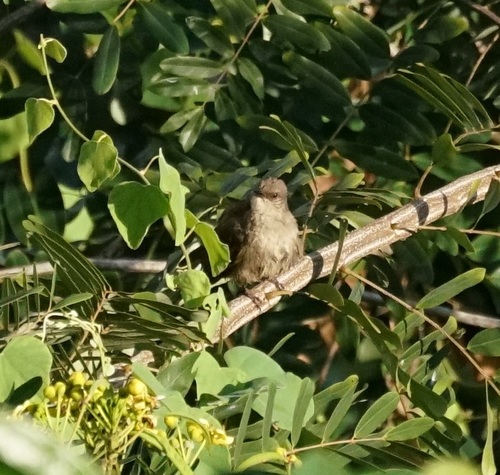 Olijfbuulbuul
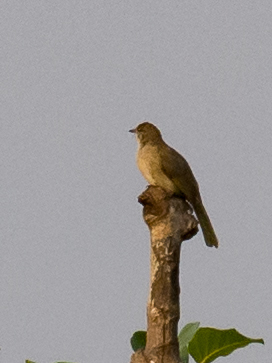 Blanfordbuulbuul
Kort gezegd
De meest betrouwbare manier om Olijfbuulbuul van Blanfordbuulbuul te scheiden is op basis van het verspreidingsgebied: Olijfbuulbuul komt voor in Zuidoost-Azië en de Grote Soenda-eilanden, terwijl Blanfordbuulbuul beperkt is tot Myanmar. Beide soorten zijn zeer vergelijkbaar in algehele uitstraling en habitatvoorkeur, en er zijn geen gedocumenteerde verschillen in leeftijdspecifieke vleugel- of vliegpatronen, noch in details van het volwassen verenkleed, die in het veld kunnen worden gebruikt. Als je aan het vogels kijken bent in Myanmar, is Blanfordbuulbuul de standaard; elders in Zuidoost-Azië wordt Olijfbuulbuul verwacht. Structurele en vocale verschillen worden niet beschreven in beschikbare bronnen, dus de scheiding is bijna volledig afhankelijk van de locatie.
Herkenningstips
- Geografisch bereik is het belangrijkste veldkenmerk: Als je in Myanmar bent, verwacht dan Blanfordbuulbuul; elders in Zuidoost-Azië en de Grote Soenda-eilanden, zal het Olijfbuulbuul zijn. Dit is de meest betrouwbare scheiding.
- Verenkleed is niet diagnostisch: Beide soorten zien er extreem vergelijkbaar uit in alle verenkleden, inclusief juvenielen en volwassenen. Vertrouw niet op kleur, vleugelpatroon of staartvorm voor scheiding.
- Geen bekende leeftijdspecifieke vliegkenmerken: Er zijn geen beschreven verschillen in bovenste vleugel of vliegpatroon voor enige leeftijdsgroep.
- Grootte is geen nuttig veldkenmerk: Alleen Blanfordbuulbuul heeft een gedocumenteerde massa, en er is geen bewijs van een merkbaar formaatverschil in het veld.
- Habitatoverlap: Beide komen voor in subtropische of tropische vochtige laaglandbossen; habitat alleen zal hen niet scheiden tenzij gecombineerd met geografie.
- Gedragsindicaties zijn niet nuttig: Beide soorten gedragen zich als typische buulbuuls en vertonen geen bekende gedragsverschillen.
- Vocalisatie is niet gedocumenteerd: Er zijn geen gepubliceerde verschillen in zang of roep; gebruik geen stem voor identificatie.
- Taxonomische geschiedenis: Blanfordbuulbuul werd vroeger beschouwd als een ondersoort van Olijfbuulbuul, wat hun nauwe gelijkenis verklaart.
- Contextuele aanwijzingen: Als je in de buurt van de grens met Myanmar vogels kijkt, wees dan bewust van mogelijke overlap in verspreidingsgebied, maar binnen Myanmar wordt Blanford verwacht; daarbuiten is Olijfbuulbuul de standaard.
- Checklistbenadering: Controleer altijd eerst je locatie wanneer je dit buulbuulpaar tegenkomt, aangezien visuele en auditieve veldkenmerken niet betrouwbaar zijn voor scheiding.
Grootte
Alleen Blanfordbuulbuul heeft een gedocumenteerde lichaamsmassa (33,0 g [wikidata]); er is geen meting beschikbaar voor Olijfbuulbuul. Beide soorten zijn typische middelgrote buulbuuls, en er is geen aanwijzing voor een merkbaar formaatverschil in het veld.
Verenkleed
Geen bronnen beschrijven diagnostische verschillen in verenkleed tussen Olijfbuulbuul en Blanfordbuulbuul, voor volwassenen of onvolwassen vogels. Beide delen het typische buulbuulpatroon en de kleur, en er zijn geen gerapporteerde verschillen in vleugelpatroon, staartvorm of leeftijdspecifieke kenmerken. De enige historische opmerking is dat Blanfordbuulbuul vroeger werd beschouwd als een ondersoort van Olijfbuulbuul, wat verder suggereert dat ze dicht bij elkaar in uiterlijk staan.
Gedrag
Beide soorten bezetten vergelijkbare ecologische niches en vertonen typisch buulbuulgedrag in subtropische of tropische vochtige laaglandbossen. Er zijn geen beschreven gedragsverschillen die veldscheiding zouden mogelijk maken.
Habitat
Beide soorten zijn geassocieerd met subtropische of tropische vochtige laaglandbossen. Olijfbuulbuul komt voor in Zuidoost-Azië en de Grote Soenda-eilanden, terwijl Blanfordbuulbuul endemisch is in Myanmar. De habitatvoorkeur binnen deze bossen wordt niet als verschillend beschreven, dus het belangrijkste onderscheid is het geografische bereik.
Geluid
Geen bronnen bieden informatie over vocale verschillen tussen Olijfbuulbuul en Blanfordbuulbuul. Het gebruik van stem voor scheiding wordt niet ondersteund door de beschikbare aantekeningen.