

Olive-winged Bulbul vs Ayeyarwady Bulbul
Pycnonotus plumosus contro Pycnonotus blanfordi
Fai un quiz con Olive-winged Bulbul e Ayeyarwady Bulbul
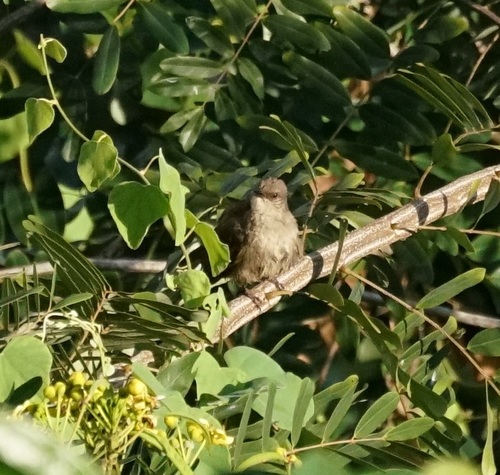 Olive-winged Bulbul
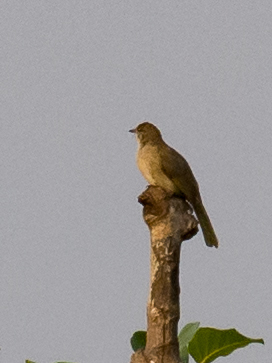 Ayeyarwady Bulbul
In breve
Il modo più affidabile per separare l'Olive-winged Bulbul dall'Ayeyarwady Bulbul è per area: l'Olive-winged si trova in tutta l'Asia sudorientale e nelle Grandi Isole della Sunda, mentre l'Ayeyarwady è limitato al Myanmar. Entrambe le specie sono molto simili nell'aspetto generale e nelle preferenze di habitat, e non ci sono differenze documentate nei modelli di volo o nelle ali specifiche per età, né nei dettagli del piumaggio degli adulti, che possano essere utilizzate sul campo. Se stai osservando uccelli in Myanmar, l'Ayeyarwady Bulbul è il default; altrove nell'Asia sudorientale, ci si aspetta l'Olive-winged. Le differenze strutturali e vocali non sono descritte nelle fonti disponibili, quindi la separazione si basa quasi interamente sulla posizione.
Consigli di identificazione
- L'area geografica è il segno distintivo chiave: Se sei in Myanmar, aspettati l'Ayeyarwady Bulbul; altrove nell'Asia sudorientale e nelle Grandi Isole della Sunda, sarà l'Olive-winged Bulbul. Questa è la separazione più affidabile.
- Il piumaggio non è diagnostico: Entrambe le specie appaiono estremamente simili in tutti i piumaggi, compresi i giovani e gli adulti. Non fare affidamento su colore, modello delle ali o forma della coda per la separazione.
- Nessun segno di volo specifico per età noto: Non ci sono differenze descritte nel modello delle ali superiori o nel volo per nessuna classe di età.
- La dimensione non è un segno utile sul campo: Solo l'Ayeyarwady Bulbul ha una massa documentata, e non ci sono prove di una differenza di dimensione evidente sul campo.
- Sovrapposizione di habitat: Entrambe si trovano in foreste umide subtropicali o tropicali; l'habitat da solo non le separerà a meno che non sia combinato con la geografia.
- Indizi comportamentali non sono utili: Entrambe le specie si comportano come tipici bulbuli e non mostrano distinzioni comportamentali note.
- Vocalizzazione non documentata: Non ci sono differenze pubblicate nel canto o nel richiamo; non usare la voce per l'identificazione.
- Storia tassonomica: L'Ayeyarwady Bulbul era precedentemente considerato una sottospecie dell'Olive-winged, spiegando la loro stretta somiglianza.
- Indizi contestuali: Se osservi uccelli vicino al confine con il Myanmar, sii consapevole della possibile sovrapposizione dell'area, ma all'interno del Myanmar, ci si aspetta l'Ayeyarwady; all'esterno, l'Olive-winged è il default.
- Approccio della lista di controllo: Controlla sempre prima la tua posizione quando incontri questo paio di bulbuli, poiché i segni visivi e uditivi sul campo non sono affidabili per la separazione.
Taglia
Solo l'Ayeyarwady Bulbul ha una massa corporea documentata (33,0 g [wikidata]); non è disponibile alcuna misura per l'Olive-winged Bulbul. Entrambe le specie sono bulbuli di dimensioni medie tipiche, e non ci sono indicazioni di una differenza di dimensione evidente sul campo.
Piumaggio
Nessuna fonte descrive differenze diagnostiche nel piumaggio tra l'Olive-winged e l'Ayeyarwady Bulbul, per adulti o immaturi. Entrambi condividono il tipico pattern e colorazione dei bulbuli, e non ci sono differenze riportate nel modello delle ali, nella forma della coda o nei segni specifici per età. L'unica nota storica è che l'Ayeyarwady Bulbul era precedentemente considerato una sottospecie dell'Olive-winged, il che suggerisce ulteriormente una stretta somiglianza nell'aspetto.
Comportamento
Entrambe le specie occupano nicchie ecologiche simili e mostrano un comportamento tipico dei bulbuli in foreste umide subtropicali o tropicali. Non ci sono differenze comportamentali descritte che consentirebbero la separazione sul campo.
Habitat
Entrambe le specie sono associate a foreste umide subtropicali o tropicali. L'Olive-winged Bulbul si trova in tutta l'Asia sudorientale e nelle Grandi Isole della Sunda, mentre l'Ayeyarwady Bulbul è endemico del Myanmar. La preferenza di habitat all'interno di queste foreste non è descritta come diversa, quindi la principale distinzione è l'area geografica.
Voce
Nessuna fonte fornisce informazioni sulle differenze vocali tra l'Olive-winged e l'Ayeyarwady Bulbul. L'uso della voce per la separazione non è supportato dalle note disponibili.
Olive-winged Bulbul · Ayeyarwady Bulbul · I miei uccelli difficili