

Motmot

Hawfinch vs European Greenfinch

Coccothraustes coccothraustes versus Chloris chloris

Play a quiz with Hawfinch and European Greenfinch
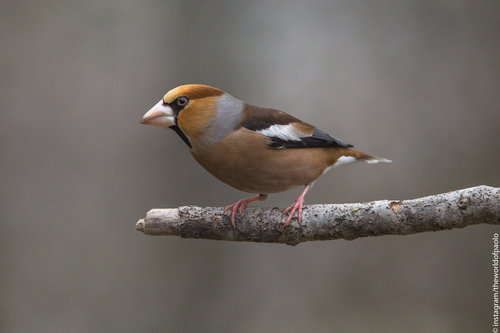
Hawfinch (Coccothraustes coccothraustes) Hawfinch
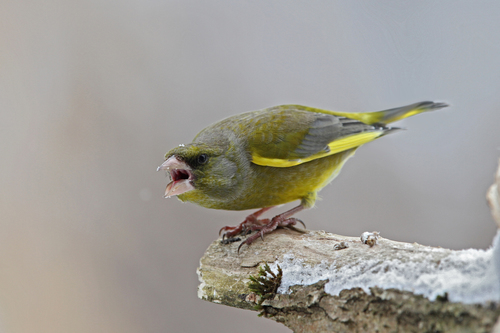
European Greenfinch (Chloris chloris) European Greenfinch

Media

Loading…

In short

The most reliable field mark to separate Hawfinch from European Greenfinch is the Hawfinch’s massive, bull-headed structure with a huge, conical bill and striking white wing bars and tail tip in flight, compared to the Greenfinch’s slimmer build, smaller bill, and yellow flashes in the wings and tail. In flight, Hawfinch appears short-tailed and heavy, while Greenfinch is more sparrow-like and shows obvious yellow in the wings. Juvenile and female Greenfinches can be dull and brownish, but never show the Hawfinch’s unique head pattern or thick neck. If you see a chunky finch with a big head, thick neck, and bold white wing markings, it is a Hawfinch; a smaller, greenish or brownish bird with yellow in the wings is a Greenfinch.

Identification tips

  1. Bill size and shape: Hawfinch has a massive, conical bill that is much larger and more powerful-looking than Greenfinch’s. This is visible even at a distance and is diagnostic in all seasons and ages.
  2. Head and neck structure: Hawfinch appears bull-headed, with a thick neck and large, rounded head. Greenfinch is slimmer, with a more typical finch head and no thick-necked appearance.
  3. Wing pattern in flight: Hawfinch shows bold white wing bars and a white tail tip in flight (all ages/sexes). Greenfinch shows yellow flashes in the wings and tail, never white.
  4. Plumage color: Adult Hawfinch has an orange-brown head, black eyestripe and bib, and grey nape. Greenfinch males are green with yellow in the wings and tail; females and juveniles are duller and browner but lack the Hawfinch’s head pattern.
  5. Upperwing color: Hawfinch’s upperwings are deep black with white, brown, and blue stripes. Greenfinch’s wings are greenish with yellow, lacking the multi-colored pattern.
  6. Tail shape and length: Hawfinch has a very short tail, making it look even more compact in flight. Greenfinch’s tail is longer and more typical for a finch.
  7. Leg color: Hawfinch has short, pinkish legs; Greenfinch’s legs are less distinctive but not a primary field mark.
  8. Size impression: Hawfinch is much bulkier and heavier than Greenfinch. If the bird looks sparrow-sized or smaller, it is likely a Greenfinch.
  9. Behavior: Hawfinch is shy, solitary or in small groups, and often high in trees. Greenfinch is more social, often in flocks, and commonly visits feeders and gardens.
  10. Habitat: Hawfinch prefers mature woodland with large trees; Greenfinch is common in gardens, parks, and farmland edges.
  11. Vocalization: Hawfinch’s call is a hard 'chick'; Greenfinch’s song is a long, twittering mix with wheezes. If you hear a complex song, it is not a Hawfinch.
  12. Bill color (seasonal): Hawfinch’s bill is black in summer, paler in winter. Greenfinch’s bill is always pale and never as massive.
  13. Sex and age pitfalls: Female and juvenile Greenfinches can be brownish and dull, but always lack Hawfinch’s head pattern and massive bill. Both sexes of Hawfinch are similar, with females only slightly paler.
  14. Display flight: Only Greenfinch males perform the slow 'butterfly' display flight.
  15. When in doubt: Focus on bill size, head shape, and wing/tail pattern in flight for the most reliable separation, especially in poor light or at a distance.

Size

Hawfinch is noticeably larger and bulkier: 16.5–18 cm long, wingspan 29–33 cm, and weight 46–70 g [wikipedia]. Greenfinch is smaller and lighter: 15 cm long, wingspan 24.5–27.5 cm [wikipedia]. In the field, Hawfinch looks much more robust, with a thicker neck and larger head, while Greenfinch is closer in size and shape to a House Sparrow.

Plumage

Juvenile and female Greenfinches are duller and browner than adult males, but always lack the Hawfinch’s orange-brown head, black bib, and bold white wing bars. Hawfinch of all ages shows a striking combination of orange-brown head, black eyestripe and bib, grey nape, and deep black upperwings with white, brown, and blue stripes. In flight, Hawfinch’s white wing bars and white tail tip are prominent. Greenfinch, by contrast, is mainly green (male) or brownish (female/juvenile) with yellow in the wings and tail, never showing white wing bars or tail tip. The bill color in Hawfinch changes seasonally (black in summer, paler in winter), but always appears massive and conical, while Greenfinch’s bill is smaller and paler. Both sexes of Hawfinch are similar, with females slightly paler.

Behaviour

Hawfinch is usually seen alone or in small groups, often high in trees, and is generally unobtrusive and shy. Its flight is heavy and direct, with a short tail and broad wings. Greenfinch is more gregarious, often found in flocks, especially outside the breeding season, and is more likely to be seen in gardens or at feeders. Greenfinch males perform a distinctive 'butterfly' display flight with slow, looping wingbeats.

Habitat

Hawfinch favors mature deciduous or mixed woodland with large trees, especially hornbeam, and is less likely to be found in open or urban areas. Greenfinch is much more adaptable, commonly found in woodland edges, farmland hedges, gardens, and parks with thick vegetation. If you see a large finch in a city park or garden, it is much more likely to be a Greenfinch.

Voice

Hawfinch gives a hard, sharp 'chick' call and has a quiet, mumbled song. Greenfinch’s song is much more elaborate, with trilling, twittering, and wheezing notes; the male also sings in flight. If you hear a simple, hard call, suspect Hawfinch; a complex, musical song with wheezes points to Greenfinch.

Submit a better description

Use the same sections as the comparison. Your text is published immediately.

The most reliable field mark to separate Hawfinch from European Greenfinch is the Hawfinch’s massive, bull-headed structure with a huge, conical bill and striking white wing bars and tail tip in flight, compared to the Greenfinch’s slimmer build, smaller bill, and yellow flashes in the wings and tail. In flight, Hawfinch appears short-tailed and heavy, while Greenfinch is more sparrow-like and shows obvious yellow in the wings. Juvenile and female Greenfinches can be dull and brownish, but never show the Hawfinch’s unique head pattern or thick neck. If you see a chunky finch with a big head, thick neck, and bold white wing markings, it is a Hawfinch; a smaller, greenish or brownish bird with yellow in the wings is a Greenfinch.

  1. Bill size and shape: Hawfinch has a massive, conical bill that is much larger and more powerful-looking than Greenfinch’s. This is visible even at a distance and is diagnostic in all seasons and ages.
  2. Head and neck structure: Hawfinch appears bull-headed, with a thick neck and large, rounded head. Greenfinch is slimmer, with a more typical finch head and no thick-necked appearance.
  3. Wing pattern in flight: Hawfinch shows bold white wing bars and a white tail tip in flight (all ages/sexes). Greenfinch shows yellow flashes in the wings and tail, never white.
  4. Plumage color: Adult Hawfinch has an orange-brown head, black eyestripe and bib, and grey nape. Greenfinch males are green with yellow in the wings and tail; females and juveniles are duller and browner but lack the Hawfinch’s head pattern.
  5. Upperwing color: Hawfinch’s upperwings are deep black with white, brown, and blue stripes. Greenfinch’s wings are greenish with yellow, lacking the multi-colored pattern.
  6. Tail shape and length: Hawfinch has a very short tail, making it look even more compact in flight. Greenfinch’s tail is longer and more typical for a finch.
  7. Leg color: Hawfinch has short, pinkish legs; Greenfinch’s legs are less distinctive but not a primary field mark.
  8. Size impression: Hawfinch is much bulkier and heavier than Greenfinch. If the bird looks sparrow-sized or smaller, it is likely a Greenfinch.
  9. Behavior: Hawfinch is shy, solitary or in small groups, and often high in trees. Greenfinch is more social, often in flocks, and commonly visits feeders and gardens.
  10. Habitat: Hawfinch prefers mature woodland with large trees; Greenfinch is common in gardens, parks, and farmland edges.
  11. Vocalization: Hawfinch’s call is a hard 'chick'; Greenfinch’s song is a long, twittering mix with wheezes. If you hear a complex song, it is not a Hawfinch.
  12. Bill color (seasonal): Hawfinch’s bill is black in summer, paler in winter. Greenfinch’s bill is always pale and never as massive.
  13. Sex and age pitfalls: Female and juvenile Greenfinches can be brownish and dull, but always lack Hawfinch’s head pattern and massive bill. Both sexes of Hawfinch are similar, with females only slightly paler.
  14. Display flight: Only Greenfinch males perform the slow 'butterfly' display flight.
  15. When in doubt: Focus on bill size, head shape, and wing/tail pattern in flight for the most reliable separation, especially in poor light or at a distance.

Hawfinch is noticeably larger and bulkier: 16.5–18 cm long, wingspan 29–33 cm, and weight 46–70 g [wikipedia]. Greenfinch is smaller and lighter: 15 cm long, wingspan 24.5–27.5 cm [wikipedia]. In the field, Hawfinch looks much more robust, with a thicker neck and larger head, while Greenfinch is closer in size and shape to a House Sparrow.

Juvenile and female Greenfinches are duller and browner than adult males, but always lack the Hawfinch’s orange-brown head, black bib, and bold white wing bars. Hawfinch of all ages shows a striking combination of orange-brown head, black eyestripe and bib, grey nape, and deep black upperwings with white, brown, and blue stripes. In flight, Hawfinch’s white wing bars and white tail tip are prominent. Greenfinch, by contrast, is mainly green (male) or brownish (female/juvenile) with yellow in the wings and tail, never showing white wing bars or tail tip. The bill color in Hawfinch changes seasonally (black in summer, paler in winter), but always appears massive and conical, while Greenfinch’s bill is smaller and paler. Both sexes of Hawfinch are similar, with females slightly paler.

Hawfinch is usually seen alone or in small groups, often high in trees, and is generally unobtrusive and shy. Its flight is heavy and direct, with a short tail and broad wings. Greenfinch is more gregarious, often found in flocks, especially outside the breeding season, and is more likely to be seen in gardens or at feeders. Greenfinch males perform a distinctive 'butterfly' display flight with slow, looping wingbeats.

Hawfinch favors mature deciduous or mixed woodland with large trees, especially hornbeam, and is less likely to be found in open or urban areas. Greenfinch is much more adaptable, commonly found in woodland edges, farmland hedges, gardens, and parks with thick vegetation. If you see a large finch in a city park or garden, it is much more likely to be a Greenfinch.

Hawfinch gives a hard, sharp 'chick' call and has a quiet, mumbled song. Greenfinch’s song is much more elaborate, with trilling, twittering, and wheezing notes; the male also sings in flight. If you hear a simple, hard call, suspect Hawfinch; a complex, musical song with wheezes points to Greenfinch.

Discard your changes?

You have unsaved edits. If you leave now, those changes will be lost.

Hawfinch · European Greenfinch · My Tricky Birds