

Motmot

シメ 対 アオカワラヒワ

Coccothraustes coccothraustes 対 Chloris chloris

シメとアオカワラヒワのクイズ
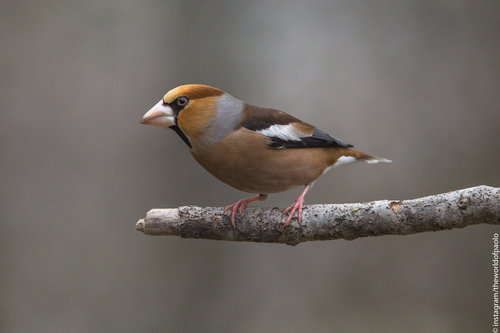
シメ (Coccothraustes coccothraustes) シメ
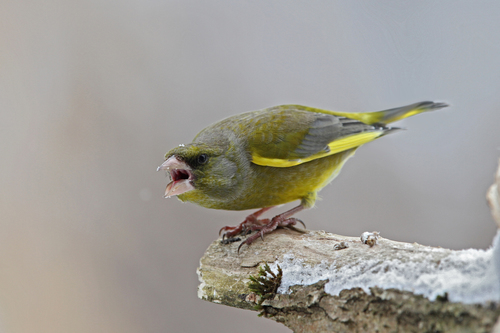
アオカワラヒワ (Chloris chloris) アオカワラヒワ

メディア

読み込み中…

要点

シメとアオカワラヒワを区別する最も信頼できるフィールドマークは、シメの巨大で牛のような構造と巨大な円錐形のくちばし、飛行中の目を引く白い翼の帯と尾の先端です。これに対してアオカワラヒワは、よりスリムな体型、小さなくちばし、翼と尾に黄色のフラッシュがあります。飛行中、シメは短い尾で重そうに見え、アオカワラヒワはよりスズメのようで、翼に明らかな黄色を示します。幼鳥と雌のアオカワラヒワは鈍く茶色がかっていることがありますが、決してシメの独特な頭の模様や太い首を示すことはありません。大きな頭、太い首、はっきりした白い翼の模様を持つずんぐりしたフィンチを見たら、それはシメです。小さく、緑がかったまたは茶色がかった鳥で、翼に黄色があるのはアオカワラヒワです。

識別のコツ

  1. Bill size and shape: シメはアオカワラヒワのものよりもはるかに大きく、力強く見える巨大な円錐形のくちばしを持っています。これは遠くからでも見え、すべての季節と年齢で診断可能です。
  2. Head and neck structure: シメは太い首と大きく丸い頭を持ち、牛のように見えます。アオカワラヒワはスリムで、より典型的なフィンチの頭を持ち、太い首の外観はありません。
  3. Wing pattern in flight: シメは飛行中に大胆な白い翼の帯と白い尾の先端を示します(すべての年齢/性別)。アオカワラヒワは翼と尾に黄色のフラッシュを示し、白は決してありません。
  4. Plumage color: 成熟したシメはオレンジがかった茶色の頭、黒いアイストライプとビブ、灰色のうなじを持っています。アオカワラヒワのオスは翼と尾に黄色を持つ緑色で、雌と幼鳥は鈍く茶色がかっていますが、シメの頭の模様は欠けています。
  5. Upperwing color: シメの上翼は深い黒で、白、茶色、青のストライプがあります。アオカワラヒワの翼は緑がかっており、黄色を持ち、色とりどりの模様はありません。
  6. Tail shape and length: シメは非常に短い尾を持ち、飛行中にさらにコンパクトに見えます。アオカワラヒワの尾は長く、フィンチとしてはより典型的です。
  7. Leg color: シメは短いピンクがかった脚を持っています。アオカワラヒワの脚はあまり特徴的ではありませんが、主要なフィールドマークではありません。
  8. Size impression: シメはアオカワラヒワよりもはるかにがっしりして重いです。鳥がスズメの大きさまたはそれ以下に見える場合、それはおそらくアオカワラヒワです。
  9. Behavior: シメはシャイで、孤独または小さな群れで見られ、しばしば高い木の上にいます。アオカワラヒワはより社交的で、しばしば群れで見られ、餌台や庭によく訪れます。
  10. Habitat: シメは大きな木のある成熟した森林を好み、アオカワラヒワは庭、公園、農地の端で一般的です。
  11. Vocalization: シメの鳴き声は硬い「チック」で、アオカワラヒワの歌は長く、さえずり混じりの音です。複雑な歌を聞いた場合、それはシメではありません。
  12. Bill color (seasonal): シメのくちばしは夏に黒く、冬にはより淡いです。アオカワラヒワのくちばしは常に淡く、決して巨大ではありません。
  13. Sex and age pitfalls: 雌と幼鳥のアオカワラヒワは茶色がかって鈍いことがありますが、常にシメの頭の模様と巨大なくちばしを欠いています。シメの両性は似ており、雌はわずかに淡いです。
  14. Display flight: ゆっくりとした「蝶」のディスプレイ飛行を行うのはアオカワラヒワのオスだけです。
  15. When in doubt: 特に光が悪い場合や遠くから見る場合は、最も信頼できる区別のために、くちばしの大きさ、頭の形、飛行中の翼/尾の模様に焦点を当ててください。

大きさ

シメは明らかに大きく、がっしりしています:長さ16.5〜18 cm、翼幅29〜33 cm、体重46〜70 g [wikipedia]。アオカワラヒワは小さく、軽いです:長さ15 cm、翼幅24.5〜27.5 cm [wikipedia]。フィールドでは、シメははるかに頑丈に見え、首が太く、頭が大きいのに対し、アオカワラヒワはハウススズメに近い大きさと形をしています。

羽色

幼鳥と雌のアオカワラヒワは成鳥のオスよりも鈍く茶色がかっていますが、常にシメのオレンジがかった茶色の頭、黒いビブ、はっきりした白い翼の帯を欠いています。すべての年齢のシメは、オレンジがかった茶色の頭、黒いアイストライプとビブ、灰色のうなじ、白、茶色、青のストライプがある深い黒の上翼の目を引く組み合わせを示します。飛行中、シメの白い翼の帯と白い尾の先端は目立ちます。それに対してアオカワラヒワは主に緑色(オス)または茶色がかった(雌/幼鳥)で、翼と尾に黄色があり、決して白い翼の帯や尾の先端を示しません。シメのくちばしの色は季節によって変化します(夏は黒、冬は淡い)が、常に巨大で円錐形に見え、アオカワラヒワのくちばしは小さく、淡いです。シメの両性は似ており、雌はわずかに淡いです。

行動

シメは通常、孤独または小さな群れで見られ、高い木の上にいることが多く、一般的に目立たずシャイです。その飛行は重く、直接的で、短い尾と広い翼を持っています。アオカワラヒワはより群れを成し、特に繁殖期以外は群れで見られることが多く、庭や餌台で見られる可能性が高いです。アオカワラヒワのオスは、ゆっくりとしたループ状の翼のビートで特徴的な「蝶」のディスプレイ飛行を行います。

生息環境

シメは特にホーンビームの大きな木のある成熟した広葉樹または混合林を好み、開けた場所や都市部では見つかりにくいです。アオカワラヒワははるかに適応力があり、一般的に森林の端、農地の生け垣、庭、厚い植生のある公園で見られます。都市の公園や庭で大きなフィンチを見た場合、それはアオカワラヒワである可能性が高いです。

声

シメは硬く鋭い「チック」と呼ばれる鳴き声を出し、静かでつぶやくような歌を持っています。アオカワラヒワの歌ははるかに elaborate で、トリル、さえずり、喘ぎ声の音があり、オスは飛行中にも歌います。単純で硬い鳴き声を聞いた場合、シメを疑ってください。複雑で音楽的な歌に喘ぎ声が含まれている場合は、アオカワラヒワを指します。

より良い説明を送る

比較と同じ項目を使ってください。文章はすぐに公開されます。

The most reliable field mark to separate Hawfinch from European Greenfinch is the Hawfinch’s massive, bull-headed structure with a huge, conical bill and striking white wing bars and tail tip in flight, compared to the Greenfinch’s slimmer build, smaller bill, and yellow flashes in the wings and tail. In flight, Hawfinch appears short-tailed and heavy, while Greenfinch is more sparrow-like and shows obvious yellow in the wings. Juvenile and female Greenfinches can be dull and brownish, but never show the Hawfinch’s unique head pattern or thick neck. If you see a chunky finch with a big head, thick neck, and bold white wing markings, it is a Hawfinch; a smaller, greenish or brownish bird with yellow in the wings is a Greenfinch.

  1. Bill size and shape: Hawfinch has a massive, conical bill that is much larger and more powerful-looking than Greenfinch’s. This is visible even at a distance and is diagnostic in all seasons and ages.
  2. Head and neck structure: Hawfinch appears bull-headed, with a thick neck and large, rounded head. Greenfinch is slimmer, with a more typical finch head and no thick-necked appearance.
  3. Wing pattern in flight: Hawfinch shows bold white wing bars and a white tail tip in flight (all ages/sexes). Greenfinch shows yellow flashes in the wings and tail, never white.
  4. Plumage color: Adult Hawfinch has an orange-brown head, black eyestripe and bib, and grey nape. Greenfinch males are green with yellow in the wings and tail; females and juveniles are duller and browner but lack the Hawfinch’s head pattern.
  5. Upperwing color: Hawfinch’s upperwings are deep black with white, brown, and blue stripes. Greenfinch’s wings are greenish with yellow, lacking the multi-colored pattern.
  6. Tail shape and length: Hawfinch has a very short tail, making it look even more compact in flight. Greenfinch’s tail is longer and more typical for a finch.
  7. Leg color: Hawfinch has short, pinkish legs; Greenfinch’s legs are less distinctive but not a primary field mark.
  8. Size impression: Hawfinch is much bulkier and heavier than Greenfinch. If the bird looks sparrow-sized or smaller, it is likely a Greenfinch.
  9. Behavior: Hawfinch is shy, solitary or in small groups, and often high in trees. Greenfinch is more social, often in flocks, and commonly visits feeders and gardens.
  10. Habitat: Hawfinch prefers mature woodland with large trees; Greenfinch is common in gardens, parks, and farmland edges.
  11. Vocalization: Hawfinch’s call is a hard 'chick'; Greenfinch’s song is a long, twittering mix with wheezes. If you hear a complex song, it is not a Hawfinch.
  12. Bill color (seasonal): Hawfinch’s bill is black in summer, paler in winter. Greenfinch’s bill is always pale and never as massive.
  13. Sex and age pitfalls: Female and juvenile Greenfinches can be brownish and dull, but always lack Hawfinch’s head pattern and massive bill. Both sexes of Hawfinch are similar, with females only slightly paler.
  14. Display flight: Only Greenfinch males perform the slow 'butterfly' display flight.
  15. When in doubt: Focus on bill size, head shape, and wing/tail pattern in flight for the most reliable separation, especially in poor light or at a distance.

Hawfinch is noticeably larger and bulkier: 16.5–18 cm long, wingspan 29–33 cm, and weight 46–70 g [wikipedia]. Greenfinch is smaller and lighter: 15 cm long, wingspan 24.5–27.5 cm [wikipedia]. In the field, Hawfinch looks much more robust, with a thicker neck and larger head, while Greenfinch is closer in size and shape to a House Sparrow.

Juvenile and female Greenfinches are duller and browner than adult males, but always lack the Hawfinch’s orange-brown head, black bib, and bold white wing bars. Hawfinch of all ages shows a striking combination of orange-brown head, black eyestripe and bib, grey nape, and deep black upperwings with white, brown, and blue stripes. In flight, Hawfinch’s white wing bars and white tail tip are prominent. Greenfinch, by contrast, is mainly green (male) or brownish (female/juvenile) with yellow in the wings and tail, never showing white wing bars or tail tip. The bill color in Hawfinch changes seasonally (black in summer, paler in winter), but always appears massive and conical, while Greenfinch’s bill is smaller and paler. Both sexes of Hawfinch are similar, with females slightly paler.

Hawfinch is usually seen alone or in small groups, often high in trees, and is generally unobtrusive and shy. Its flight is heavy and direct, with a short tail and broad wings. Greenfinch is more gregarious, often found in flocks, especially outside the breeding season, and is more likely to be seen in gardens or at feeders. Greenfinch males perform a distinctive 'butterfly' display flight with slow, looping wingbeats.

Hawfinch favors mature deciduous or mixed woodland with large trees, especially hornbeam, and is less likely to be found in open or urban areas. Greenfinch is much more adaptable, commonly found in woodland edges, farmland hedges, gardens, and parks with thick vegetation. If you see a large finch in a city park or garden, it is much more likely to be a Greenfinch.

Hawfinch gives a hard, sharp 'chick' call and has a quiet, mumbled song. Greenfinch’s song is much more elaborate, with trilling, twittering, and wheezing notes; the male also sings in flight. If you hear a simple, hard call, suspect Hawfinch; a complex, musical song with wheezes points to Greenfinch.

変更を破棄しますか?

保存していない編集があります。今離れると失われます。

シメ · アオカワラヒワ · 苦手な鳥