

Motmot

Green-backed Tit vs Black-faced Laughingthrush

Parus monticolus versus Trochalopteron affine

Play a quiz with Green-backed Tit and Black-faced Laughingthrush
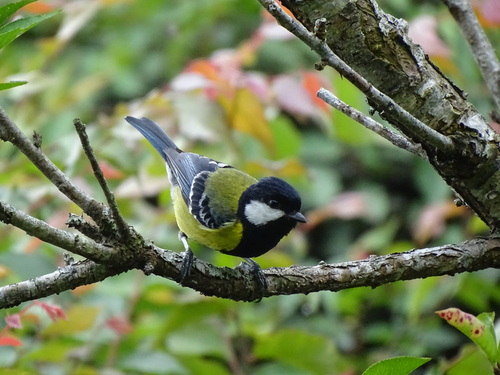
Green-backed Tit (Parus monticolus) Green-backed Tit
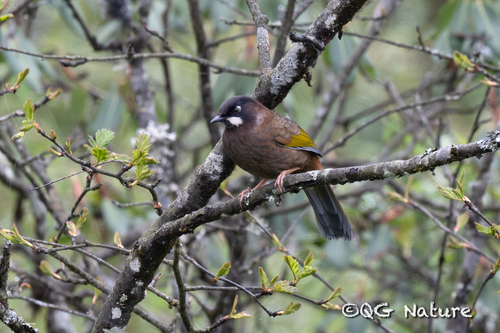
Black-faced Laughingthrush (Trochalopteron affine) Black-faced Laughingthrush

Media

Loading…

In short

The most reliable way to separate Green-backed Tit from Black-faced Laughingthrush is by overall structure and size: the tit is a small, compact bird with a short bill and energetic movements, while the laughingthrush is much larger, heavier-bodied, and has a longer tail and bill. Plumage differences are also strong: the tit shows a greenish back and typical tit patterning, while the laughingthrush has a distinctive dark face and lacks the tit's crisp color blocks. Both species can overlap in Himalayan forests, but their size, shape, and behavior are immediately different in the field.

Identification tips

  1. Size is the fastest separator: Green-backed Tit is a small, lightweight bird, while Black-faced Laughingthrush is much larger and heavier (about 68g), appearing almost thrush-sized. If you see a bird that looks tit-like but is clearly much bigger than nearby tits, it's likely a laughingthrush.
  2. Structure and posture: The tit is compact, with a short bill and tail, and moves with quick, energetic hops and flits. The laughingthrush is longer-bodied, with a proportionally longer tail and bill, and moves more slowly and deliberately.
  3. Back color: Green-backed Tit has a greenish back, which is a strong contrast to the laughingthrush's more uniform brownish or greyish upperparts.
  4. Face pattern: Black-faced Laughingthrush has a distinctive dark (blackish) face, which is absent in the tit. The tit's head is dark but with a different pattern, often with a white cheek or nape patch depending on subspecies.
  5. Plumage contrast: The tit shows crisp, contrasting color blocks (green back, pale underparts, dark head), while the laughingthrush is overall duller and more blended except for the face.
  6. Tail: The tit's tail is short and often flicked, while the laughingthrush's tail is long and usually held straight or slightly drooped.
  7. Bill shape: The tit has a small, fine bill suited for picking insects; the laughingthrush's bill is heavier and slightly downcurved, more suited to a varied diet including fruit and insects.
  8. Behavior: Tits are often seen in mixed flocks, moving quickly through the canopy and sometimes hanging upside down. Laughingthrushes tend to stay in small, noisy parties, often foraging lower or on the ground.
  9. Habitat overlap: Both can occur in Himalayan forests, but the tit is more widespread and can be found in a broader range of forest types and elevations.
  10. Voice (not detailed in sources): If you hear a typical tit-like 'see-see' or high-pitched call, it's likely the tit. Laughingthrushes are known for louder, more varied chattering, but specific calls are not described in the sources.
  11. Flock association: If the bird is with other tits or small insectivores, it's likely a Green-backed Tit. If it's with other laughingthrushes or larger babblers, suspect Black-faced Laughingthrush.
  12. Flight style: The tit has a bounding, undulating flight typical of Parus, while the laughingthrush flies with slower, more direct wingbeats and rarely travels far in a single flight.
  13. Perched silhouette: The tit perches upright, often alert and active. The laughingthrush sits more horizontally, with a heavier, more relaxed posture.
  14. Juvenile confusion: No specific juvenile or immature marks are given, so rely on size and structure for young birds.
  15. Seasonal/sex variation: No strong seasonal or sexual dimorphism is noted for either species in the sources, so the above marks are reliable year-round.

Size

Green-backed Tit is much smaller and lighter than Black-faced Laughingthrush. The laughingthrush averages 68g in body mass [wikidata], making it several times heavier than any tit. In the field, the tit appears petite and agile, while the laughingthrush is bulky, long-tailed, and almost thrush-sized. This size gap is usually obvious even at a distance or in mixed flocks.

Plumage

No age-specific wing or flight patterns are described for either species in the sources. Adult Green-backed Tit shows a greenish back, with contrasting dark head and pale underparts typical of Parus tits. The Black-faced Laughingthrush, by contrast, has a dark (blackish) face, blending into a more uniform brownish or greyish body without the tit's crisp color blocks. The tit's plumage is more sharply marked and colorful, while the laughingthrush is overall duller and more uniform, with its main standout feature being the dark face. Juvenile and immature plumages are not detailed in the sources, so these contrasts are most reliable for adults.

Behaviour

Green-backed Tit is active, acrobatic, and often seen flitting through branches, sometimes hanging upside down or joining mixed-species flocks. Black-faced Laughingthrush moves more deliberately, often in small parties, and may be seen foraging on or near the ground as well as in lower vegetation. The tit's movements are quick and energetic, while the laughingthrush is heavier and less erratic.

Habitat

Both species occur in Himalayan forests, but the Green-backed Tit has a broader range, including boreal, temperate, and subtropical/tropical moist lowland forests across a wide swath of South and East Asia [wikipedia]. The Black-faced Laughingthrush is more restricted to the Eastern Himalayas and adjacent regions. In overlapping areas, both may be found in forested habitats, but the tit is more likely in a wider variety of elevations and forest types.

Submit a better description

Use the same sections as the comparison. Your text is published immediately.

The most reliable way to separate Green-backed Tit from Black-faced Laughingthrush is by overall structure and size: the tit is a small, compact bird with a short bill and energetic movements, while the laughingthrush is much larger, heavier-bodied, and has a longer tail and bill. Plumage differences are also strong: the tit shows a greenish back and typical tit patterning, while the laughingthrush has a distinctive dark face and lacks the tit's crisp color blocks. Both species can overlap in Himalayan forests, but their size, shape, and behavior are immediately different in the field.

  1. Size is the fastest separator: Green-backed Tit is a small, lightweight bird, while Black-faced Laughingthrush is much larger and heavier (about 68g), appearing almost thrush-sized. If you see a bird that looks tit-like but is clearly much bigger than nearby tits, it's likely a laughingthrush.
  2. Structure and posture: The tit is compact, with a short bill and tail, and moves with quick, energetic hops and flits. The laughingthrush is longer-bodied, with a proportionally longer tail and bill, and moves more slowly and deliberately.
  3. Back color: Green-backed Tit has a greenish back, which is a strong contrast to the laughingthrush's more uniform brownish or greyish upperparts.
  4. Face pattern: Black-faced Laughingthrush has a distinctive dark (blackish) face, which is absent in the tit. The tit's head is dark but with a different pattern, often with a white cheek or nape patch depending on subspecies.
  5. Plumage contrast: The tit shows crisp, contrasting color blocks (green back, pale underparts, dark head), while the laughingthrush is overall duller and more blended except for the face.
  6. Tail: The tit's tail is short and often flicked, while the laughingthrush's tail is long and usually held straight or slightly drooped.
  7. Bill shape: The tit has a small, fine bill suited for picking insects; the laughingthrush's bill is heavier and slightly downcurved, more suited to a varied diet including fruit and insects.
  8. Behavior: Tits are often seen in mixed flocks, moving quickly through the canopy and sometimes hanging upside down. Laughingthrushes tend to stay in small, noisy parties, often foraging lower or on the ground.
  9. Habitat overlap: Both can occur in Himalayan forests, but the tit is more widespread and can be found in a broader range of forest types and elevations.
  10. Voice (not detailed in sources): If you hear a typical tit-like 'see-see' or high-pitched call, it's likely the tit. Laughingthrushes are known for louder, more varied chattering, but specific calls are not described in the sources.
  11. Flock association: If the bird is with other tits or small insectivores, it's likely a Green-backed Tit. If it's with other laughingthrushes or larger babblers, suspect Black-faced Laughingthrush.
  12. Flight style: The tit has a bounding, undulating flight typical of Parus, while the laughingthrush flies with slower, more direct wingbeats and rarely travels far in a single flight.
  13. Perched silhouette: The tit perches upright, often alert and active. The laughingthrush sits more horizontally, with a heavier, more relaxed posture.
  14. Juvenile confusion: No specific juvenile or immature marks are given, so rely on size and structure for young birds.
  15. Seasonal/sex variation: No strong seasonal or sexual dimorphism is noted for either species in the sources, so the above marks are reliable year-round.

Green-backed Tit is much smaller and lighter than Black-faced Laughingthrush. The laughingthrush averages 68g in body mass [wikidata], making it several times heavier than any tit. In the field, the tit appears petite and agile, while the laughingthrush is bulky, long-tailed, and almost thrush-sized. This size gap is usually obvious even at a distance or in mixed flocks.

No age-specific wing or flight patterns are described for either species in the sources. Adult Green-backed Tit shows a greenish back, with contrasting dark head and pale underparts typical of Parus tits. The Black-faced Laughingthrush, by contrast, has a dark (blackish) face, blending into a more uniform brownish or greyish body without the tit's crisp color blocks. The tit's plumage is more sharply marked and colorful, while the laughingthrush is overall duller and more uniform, with its main standout feature being the dark face. Juvenile and immature plumages are not detailed in the sources, so these contrasts are most reliable for adults.

Green-backed Tit is active, acrobatic, and often seen flitting through branches, sometimes hanging upside down or joining mixed-species flocks. Black-faced Laughingthrush moves more deliberately, often in small parties, and may be seen foraging on or near the ground as well as in lower vegetation. The tit's movements are quick and energetic, while the laughingthrush is heavier and less erratic.

Both species occur in Himalayan forests, but the Green-backed Tit has a broader range, including boreal, temperate, and subtropical/tropical moist lowland forests across a wide swath of South and East Asia [wikipedia]. The Black-faced Laughingthrush is more restricted to the Eastern Himalayas and adjacent regions. In overlapping areas, both may be found in forested habitats, but the tit is more likely in a wider variety of elevations and forest types.

Discard your changes?

You have unsaved edits. If you leave now, those changes will be lost.

Green-backed Tit · Black-faced Laughingthrush · My Tricky Birds