

Motmot

キバラシジュウカラ 対 キンバネガビチョウ

Parus monticolus 対 Trochalopteron affine

キバラシジュウカラとキンバネガビチョウのクイズ
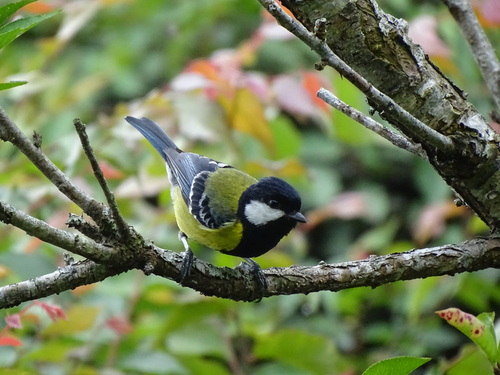
キバラシジュウカラ (Parus monticolus) キバラシジュウカラ
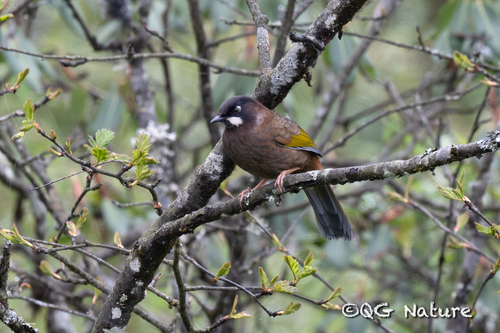
キンバネガビチョウ (Trochalopteron affine) キンバネガビチョウ

メディア

読み込み中…

要点

キバラシジュウカラとキンバネガビチョウを区別する最も信頼できる方法は、全体的な構造とサイズです:キバラシジュウカラは小さく、コンパクトな鳥で、短いくちばしとエネルギッシュな動きを持っていますが、キンバネガビチョウははるかに大きく、体重が重く、長い尾とくちばしを持っています。羽毛の違いも顕著です:キバラシジュウカラは緑がかった背中と典型的なシジュウカラの模様を示し、キンバネガビチョウは特徴的な暗い顔を持ち、シジュウカラの鮮やかな色のブロックが欠けています。両種はヒマラヤの森林で重なることがありますが、サイズ、形、行動は現場で直ちに異なります。

識別のコツ

  1. Size is the fastest separator: キバラシジュウカラは小さく軽量な鳥ですが、キンバネガビチョウははるかに大きく重い(約68g)で、ほぼガビチョウサイズに見えます。シジュウカラのように見えるが、近くのシジュウカラよりも明らかに大きい鳥を見た場合、それはおそらくガビチョウです。
  2. Structure and posture: シジュウカラはコンパクトで、短いくちばしと尾を持ち、素早くエネルギッシュなホップやフリットで動きます。ガビチョウは体が長く、相対的に長い尾とくちばしを持ち、より遅く、意図的に動きます。
  3. Back color: キバラシジュウカラは緑がかった背中を持ち、これはガビチョウのより均一な茶色または灰色の上面と強い対比を成します。
  4. Face pattern: キンバネガビチョウは特徴的な暗い(黒っぽい)顔を持ち、シジュウカラにはありません。シジュウカラの頭は暗いですが、異なる模様を持ち、亜種によっては白い頬または後頭部の斑点があります。
  5. Plumage contrast: シジュウカラは鮮やかで対照的な色のブロック(緑の背中、淡い腹部、暗い頭)を示しますが、ガビチョウは全体的に鈍く、顔を除いてより混ざり合っています。
  6. Tail: シジュウカラの尾は短く、しばしば振られますが、ガビチョウの尾は長く、通常はまっすぐまたはわずかに垂れています。
  7. Bill shape: シジュウカラは昆虫をつまむのに適した小さく細いくちばしを持っていますが、ガビチョウのくちばしは重く、わずかに下向きに曲がっており、果物や昆虫を含む多様な食事に適しています。
  8. Behavior: シジュウカラはしばしば混合群れで見られ、急速に樹冠を移動し、時には逆さまにぶら下がることもあります。ガビチョウは小さくて騒がしい群れに留まる傾向があり、しばしば地面や低い植生で採餌します。
  9. Habitat overlap: 両者はヒマラヤの森林に生息しますが、シジュウカラはより広範囲に分布し、より多様な森林タイプや標高に見られる可能性が高いです。
  10. Voice (not detailed in sources): シジュウカラのような典型的な「シーシー」または高音の呼び声が聞こえた場合、それはおそらくシジュウカラです。ガビチョウはより大きく多様なおしゃべりで知られていますが、特定の呼び声は資料に記載されていません。
  11. Flock association: 鳥が他のシジュウカラや小さな昆虫食の鳥と一緒にいる場合、それはおそらくキバラシジュウカラです。他のガビチョウや大きなバブラーと一緒にいる場合は、キンバネガビチョウの可能性があります。
  12. Flight style: シジュウカラはParusに典型的なバウンディングでうねる飛行を持っていますが、ガビチョウはより遅く、より直接的な羽ばたきで飛び、単一の飛行で遠くに移動することはほとんどありません。
  13. Perched silhouette: シジュウカラは直立して止まり、しばしば警戒して活動的です。ガビチョウはより水平に座り、重く、よりリラックスした姿勢を持っています。
  14. Juvenile confusion: 特定の幼鳥や未熟なマークは記載されていないため、若い鳥にはサイズと構造に頼ってください。
  15. Seasonal/sex variation: 資料には、いずれの種にも強い季節的または性的二形性は記載されていないため、上記のマークは年間を通じて信頼できます。

大きさ

キバラシジュウカラはキンバネガビチョウよりもはるかに小さく軽いです。ガビチョウは平均68gの体重を持ち、[wikidata]、どのシジュウカラよりも数倍重いです。現場では、シジュウカラは小さくて機敏に見えますが、ガビチョウはずんぐりしており、長い尾を持ち、ほぼガビチョウサイズです。このサイズのギャップは、距離があっても混合群れの中でも通常は明らかです。

羽色

資料には、いずれの種についても年齢特有の翼や飛行パターンは記載されていません。成鳥のキバラシジュウカラは緑がかった背中を示し、Parusシジュウカラに典型的な対照的な暗い頭と淡い腹部を持っています。対照的に、キンバネガビチョウは暗い(黒っぽい)顔を持ち、シジュウカラの鮮やかな色のブロックがないより均一な茶色または灰色の体に溶け込んでいます。シジュウカラの羽毛はより鮮明にマークされており、色彩豊かですが、ガビチョウは全体的に鈍く、より均一で、主な目立つ特徴は暗い顔です。幼鳥や未熟な羽毛については詳細が記載されていないため、これらの対比は成鳥に最も信頼できます。

行動

キバラシジュウカラは活発でアクロバティックであり、しばしば枝を飛び回り、時には逆さまにぶら下がったり、混合種の群れに参加したりするのが見られます。キンバネガビチョウはより意図的に動き、小さな群れで行動し、地面や低い植生の近くで採餌しているのが見られることがあります。シジュウカラの動きは素早くエネルギッシュですが、ガビチョウは重く、あまり不規則ではありません。

生息環境

両種はヒマラヤの森林に生息していますが、キバラシジュウカラはより広範囲に分布し、南アジアと東アジアの広い範囲にわたる北方、温帯、亜熱帯/熱帯の湿潤低地森林を含んでいます[Wikipedia]。キンバネガビチョウは東ヒマラヤと隣接する地域により制限されています。重なる地域では、両者は森林の生息地に見られることがありますが、シジュウカラはより多様な標高や森林タイプに見られる可能性が高いです。

より良い説明を送る

比較と同じ項目を使ってください。文章はすぐに公開されます。

The most reliable way to separate Green-backed Tit from Black-faced Laughingthrush is by overall structure and size: the tit is a small, compact bird with a short bill and energetic movements, while the laughingthrush is much larger, heavier-bodied, and has a longer tail and bill. Plumage differences are also strong: the tit shows a greenish back and typical tit patterning, while the laughingthrush has a distinctive dark face and lacks the tit's crisp color blocks. Both species can overlap in Himalayan forests, but their size, shape, and behavior are immediately different in the field.

  1. Size is the fastest separator: Green-backed Tit is a small, lightweight bird, while Black-faced Laughingthrush is much larger and heavier (about 68g), appearing almost thrush-sized. If you see a bird that looks tit-like but is clearly much bigger than nearby tits, it's likely a laughingthrush.
  2. Structure and posture: The tit is compact, with a short bill and tail, and moves with quick, energetic hops and flits. The laughingthrush is longer-bodied, with a proportionally longer tail and bill, and moves more slowly and deliberately.
  3. Back color: Green-backed Tit has a greenish back, which is a strong contrast to the laughingthrush's more uniform brownish or greyish upperparts.
  4. Face pattern: Black-faced Laughingthrush has a distinctive dark (blackish) face, which is absent in the tit. The tit's head is dark but with a different pattern, often with a white cheek or nape patch depending on subspecies.
  5. Plumage contrast: The tit shows crisp, contrasting color blocks (green back, pale underparts, dark head), while the laughingthrush is overall duller and more blended except for the face.
  6. Tail: The tit's tail is short and often flicked, while the laughingthrush's tail is long and usually held straight or slightly drooped.
  7. Bill shape: The tit has a small, fine bill suited for picking insects; the laughingthrush's bill is heavier and slightly downcurved, more suited to a varied diet including fruit and insects.
  8. Behavior: Tits are often seen in mixed flocks, moving quickly through the canopy and sometimes hanging upside down. Laughingthrushes tend to stay in small, noisy parties, often foraging lower or on the ground.
  9. Habitat overlap: Both can occur in Himalayan forests, but the tit is more widespread and can be found in a broader range of forest types and elevations.
  10. Voice (not detailed in sources): If you hear a typical tit-like 'see-see' or high-pitched call, it's likely the tit. Laughingthrushes are known for louder, more varied chattering, but specific calls are not described in the sources.
  11. Flock association: If the bird is with other tits or small insectivores, it's likely a Green-backed Tit. If it's with other laughingthrushes or larger babblers, suspect Black-faced Laughingthrush.
  12. Flight style: The tit has a bounding, undulating flight typical of Parus, while the laughingthrush flies with slower, more direct wingbeats and rarely travels far in a single flight.
  13. Perched silhouette: The tit perches upright, often alert and active. The laughingthrush sits more horizontally, with a heavier, more relaxed posture.
  14. Juvenile confusion: No specific juvenile or immature marks are given, so rely on size and structure for young birds.
  15. Seasonal/sex variation: No strong seasonal or sexual dimorphism is noted for either species in the sources, so the above marks are reliable year-round.

Green-backed Tit is much smaller and lighter than Black-faced Laughingthrush. The laughingthrush averages 68g in body mass [wikidata], making it several times heavier than any tit. In the field, the tit appears petite and agile, while the laughingthrush is bulky, long-tailed, and almost thrush-sized. This size gap is usually obvious even at a distance or in mixed flocks.

No age-specific wing or flight patterns are described for either species in the sources. Adult Green-backed Tit shows a greenish back, with contrasting dark head and pale underparts typical of Parus tits. The Black-faced Laughingthrush, by contrast, has a dark (blackish) face, blending into a more uniform brownish or greyish body without the tit's crisp color blocks. The tit's plumage is more sharply marked and colorful, while the laughingthrush is overall duller and more uniform, with its main standout feature being the dark face. Juvenile and immature plumages are not detailed in the sources, so these contrasts are most reliable for adults.

Green-backed Tit is active, acrobatic, and often seen flitting through branches, sometimes hanging upside down or joining mixed-species flocks. Black-faced Laughingthrush moves more deliberately, often in small parties, and may be seen foraging on or near the ground as well as in lower vegetation. The tit's movements are quick and energetic, while the laughingthrush is heavier and less erratic.

Both species occur in Himalayan forests, but the Green-backed Tit has a broader range, including boreal, temperate, and subtropical/tropical moist lowland forests across a wide swath of South and East Asia [wikipedia]. The Black-faced Laughingthrush is more restricted to the Eastern Himalayas and adjacent regions. In overlapping areas, both may be found in forested habitats, but the tit is more likely in a wider variety of elevations and forest types.

変更を破棄しますか?

保存していない編集があります。今離れると失われます。

キバラシジュウカラ · キンバネガビチョウ · 苦手な鳥