

Carbonero Dorsiverde vs Charlatán Carinegro
Parus monticolus frente a Trochalopteron affine
Juega un quiz con Carbonero Dorsiverde y Charlatán Carinegro
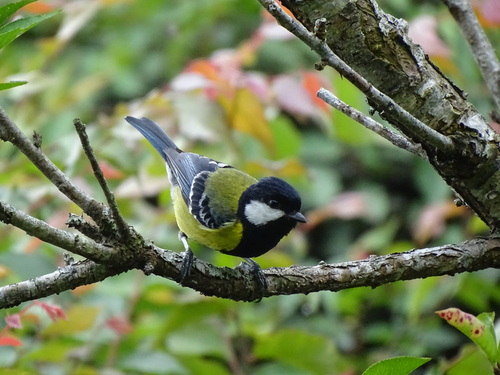 Carbonero Dorsiverde
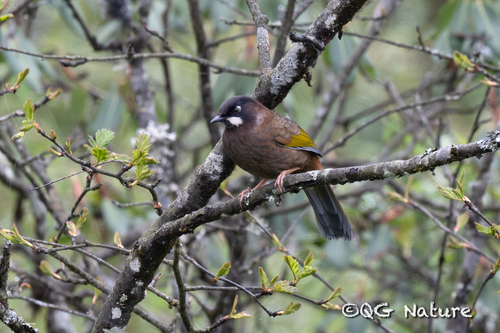 Charlatán Carinegro
En breve
La forma más confiable de separar el Carbonero Dorsiverde del Charlatán Carinegro es por su estructura y tamaño general: el carbonero es un ave pequeña y compacta con un pico corto y movimientos enérgicos, mientras que el charlatán es mucho más grande, de cuerpo más pesado, y tiene una cola y un pico más largos. Las diferencias en el plumaje también son marcadas: el carbonero muestra un dorso verdoso y un patrón típico de carbonero, mientras que el charlatán tiene una cara oscura distintiva y carece de los bloques de color nítidos del carbonero. Ambas especies pueden superponerse en los bosques del Himalaya, pero su tamaño, forma y comportamiento son inmediatamente diferentes en el campo.
Consejos de identificación
- El tamaño es el separador más rápido: El Carbonero Dorsiverde es un ave pequeña y ligera, mientras que el Charlatán Carinegro es mucho más grande y pesado (alrededor de 68g), apareciendo casi del tamaño de un zorzal. Si ves un ave que parece un carbonero pero es claramente mucho más grande que los carboneros cercanos, probablemente sea un charlatán.
- Estructura y postura: El carbonero es compacto, con un pico y cola cortos, y se mueve con saltos y aleteos rápidos y enérgicos. El charlatán tiene un cuerpo más largo, con una cola y un pico proporcionalmente más largos, y se mueve más lentamente y deliberadamente.
- Color del dorso: El Carbonero Dorsiverde tiene un dorso verdoso, que contrasta fuertemente con las partes superiores más uniformes y marrones o grisáceas del charlatán.
- Patrón facial: El Charlatán Carinegro tiene una cara oscura (negruzca) distintiva, que está ausente en el carbonero. La cabeza del carbonero es oscura pero con un patrón diferente, a menudo con una mancha blanca en la mejilla o en la nuca dependiendo de la subespecie.
- Contraste del plumaje: El carbonero muestra bloques de color nítidos y contrastantes (dorso verde, partes inferiores pálidas, cabeza oscura), mientras que el charlatán es en general más apagado y más mezclado excepto por la cara.
- Cola: La cola del carbonero es corta y a menudo se agita, mientras que la cola del charlatán es larga y generalmente se sostiene recta o ligeramente caída.
- Forma del pico: El carbonero tiene un pico pequeño y fino adecuado para recoger insectos; el pico del charlatán es más pesado y ligeramente curvado hacia abajo, más adecuado para una dieta variada que incluye frutas e insectos.
- Comportamiento: Los carboneros a menudo se ven en bandadas mixtas, moviéndose rápidamente a través del dosel y a veces colgando boca abajo. Los charlatanes tienden a permanecer en pequeños grupos ruidosos, a menudo buscando alimento más bajo o en el suelo.
- Superposición de hábitat: Ambas pueden ocurrir en los bosques del Himalaya, pero el carbonero es más extendido y se puede encontrar en una gama más amplia de tipos de bosques y elevaciones.
- Voz (no detallada en las fuentes): Si escuchas un típico llamado 'see-see' o un llamado agudo similar al de un carbonero, probablemente sea el carbonero. Los charlatanes son conocidos por sus charlas más fuertes y variadas, pero no se describen llamados específicos en las fuentes.
- Asociación en bandadas: Si el ave está con otros carboneros o pequeños insectívoros, probablemente sea un Carbonero Dorsiverde. Si está con otros charlatanes o tordos más grandes, sospecha del Charlatán Carinegro.
- Estilo de vuelo: El carbonero tiene un vuelo saltarín y ondulante típico de Parus, mientras que el charlatán vuela con aleteos más lentos y directos y rara vez viaja lejos en un solo vuelo.
- Silhouette posada: El carbonero se posa erguido, a menudo alerta y activo. El charlatán se sienta más horizontalmente, con una postura más pesada y relajada.
- Confusión juvenil: No se dan marcas específicas para juveniles o inmaduros, así que confía en el tamaño y la estructura para las aves jóvenes.
- Variación estacional/sexual: No se nota un fuerte dimorfismo estacional o sexual para ninguna de las especies en las fuentes, por lo que las marcas anteriores son confiables durante todo el año.
Tamaño
El Carbonero Dorsiverde es mucho más pequeño y ligero que el Charlatán Carinegro. El charlatán promedia 68g en masa corporal [wikidata], lo que lo hace varias veces más pesado que cualquier carbonero. En el campo, el carbonero parece pequeño y ágil, mientras que el charlatán es voluminoso, de cola larga, y casi del tamaño de un zorzal. Esta diferencia de tamaño es generalmente obvia incluso a distancia o en bandadas mixtas.
Plumaje
No se describen patrones de alas o vuelo específicos para la edad de ninguna de las especies en las fuentes. El Carbonero Dorsiverde adulto muestra un dorso verdoso, con una cabeza oscura contrastante y partes inferiores pálidas típicas de los carboneros de Parus. El Charlatán Carinegro, en contraste, tiene una cara oscura (negruzca), que se mezcla en un cuerpo más uniforme marrón o gris sin los bloques de color nítidos del carbonero. El plumaje del carbonero está más marcadamente definido y es colorido, mientras que el charlatán es en general más apagado y uniforme, siendo su característica más destacada la cara oscura. Los plumajes juveniles e inmaduros no se detallan en las fuentes, por lo que estos contrastes son más confiables para los adultos.
Comportamiento
El Carbonero Dorsiverde es activo, acróbata, y a menudo se ve saltando entre las ramas, a veces colgando boca abajo o uniéndose a bandadas de especies mixtas. El Charlatán Carinegro se mueve de manera más deliberada, a menudo en pequeños grupos, y puede verse buscando alimento en o cerca del suelo, así como en vegetación más baja. Los movimientos del carbonero son rápidos y enérgicos, mientras que el charlatán es más pesado y menos errático.
Hábitat
Ambas especies ocurren en los bosques del Himalaya, pero el Carbonero Dorsiverde tiene un rango más amplio, incluyendo bosques boreales, templados y húmedos subtropicales/tropicales de tierras bajas a través de una amplia franja de Asia del Sur y del Este [wikipedia]. El Charlatán Carinegro está más restringido a los Himalayas orientales y regiones adyacentes. En áreas superpuestas, ambas pueden encontrarse en hábitats forestales, pero el carbonero es más probable que se encuentre en una mayor variedad de elevaciones y tipos de bosque.
Carbonero Dorsiverde · Charlatán Carinegro · Mis aves difíciles