

green-backed tit vs black-faced laughingthrush
Parus monticolus versus Trochalopteron affine
Jogue um quiz com green-backed tit e black-faced laughingthrush
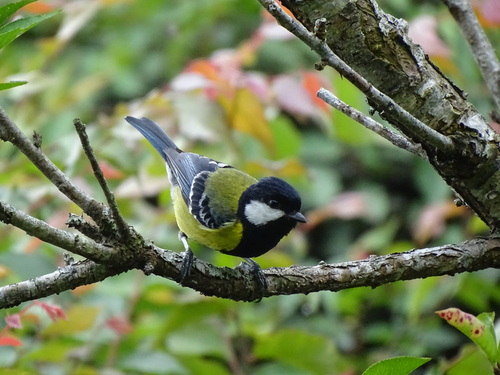 green-backed tit
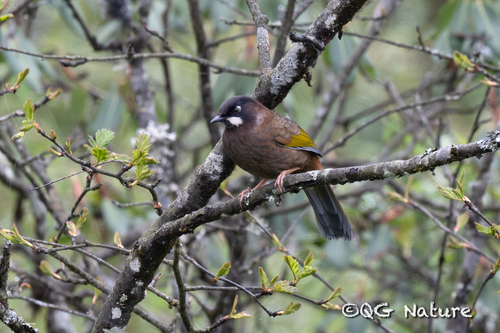 black-faced laughingthrush
Em resumo
A maneira mais confiável de separar o green-backed tit do black-faced laughingthrush é pela estrutura e tamanho geral: o tit é um pássaro pequeno e compacto, com um bico curto e movimentos enérgicos, enquanto o laughingthrush é muito maior, com corpo mais pesado, e tem uma cauda e bico mais longos. As diferenças de plumagem também são fortes: o tit apresenta um dorso esverdeado e um padrão típico de tit, enquanto o laughingthrush tem um rosto escuro distintivo e não possui os blocos de cor nítidos do tit. Ambas as espécies podem se sobrepor em florestas himalaicas, mas seu tamanho, forma e comportamento são imediatamente diferentes em campo.
Dicas de identificação
- O tamanho é o separador mais rápido: O green-backed tit é um pássaro pequeno e leve, enquanto o black-faced laughingthrush é muito maior e mais pesado (cerca de 68g), parecendo quase do tamanho de um thrush. Se você ver um pássaro que parece com um tit, mas é claramente muito maior do que os tits próximos, provavelmente é um laughingthrush.
- Estrutura e postura: O tit é compacto, com um bico e cauda curtos, e se move com saltos e flaps rápidos e enérgicos. O laughingthrush tem um corpo mais longo, com uma cauda e bico proporcionalmente mais longos, e se move mais lentamente e deliberadamente.
- Cor do dorso: O green-backed tit tem um dorso esverdeado, que contrasta fortemente com as partes superiores mais uniformes e marrons ou acinzentadas do laughingthrush.
- Padrão do rosto: O black-faced laughingthrush tem um rosto escuro (negróide) distintivo, que está ausente no tit. A cabeça do tit é escura, mas com um padrão diferente, muitas vezes com uma mancha branca na bochecha ou na nuca, dependendo da subespécie.
- Contraste de plumagem: O tit apresenta blocos de cor nítidos e contrastantes (dorso verde, partes inferiores pálidas, cabeça escura), enquanto o laughingthrush é geralmente mais opaco e mais misturado, exceto pelo rosto.
- Cauda: A cauda do tit é curta e frequentemente agitada, enquanto a cauda do laughingthrush é longa e geralmente mantida reta ou ligeiramente caída.
- Forma do bico: O tit tem um bico pequeno e fino, adequado para pegar insetos; o bico do laughingthrush é mais pesado e ligeiramente curvado para baixo, mais adequado a uma dieta variada que inclui frutas e insetos.
- Comportamento: Os tits são frequentemente vistos em bandos mistos, movendo-se rapidamente pela copa das árvores e às vezes pendurados de cabeça para baixo. Os laughingthrushes tendem a ficar em pequenos grupos barulhentos, frequentemente forrageando mais baixo ou no chão.
- Sobreposição de habitat: Ambas podem ocorrer em florestas himalaicas, mas o tit é mais amplamente distribuído e pode ser encontrado em uma gama mais ampla de tipos de floresta e elevações.
- Voz (não detalhada nas fontes): Se você ouvir um chamado típico de tit, como 'see-see' ou um chamado agudo, provavelmente é o tit. Os laughingthrushes são conhecidos por suas conversas mais altas e variadas, mas chamadas específicas não são descritas nas fontes.
- Associação em bandos: Se o pássaro estiver com outros tits ou pequenos insetívoros, provavelmente é um green-backed tit. Se estiver com outros laughingthrushes ou babblers maiores, suspeite do black-faced laughingthrush.
- Estilo de voo: O tit tem um voo saltitante e ondulante típico de Parus, enquanto o laughingthrush voa com batidas de asas mais lentas e diretas e raramente viaja longe em um único voo.
- Silhueta empoleirada: O tit empoleira-se ereto, frequentemente alerta e ativo. O laughingthrush senta-se mais horizontalmente, com uma postura mais pesada e relaxada.
- Confusão juvenil: Nenhum sinal específico juvenil ou imaturo é dado, então confie no tamanho e na estrutura para pássaros jovens.
- Variação sazonal/sexual: Nenhum dimorfismo sazonal ou sexual forte é notado para ambas as espécies nas fontes, então as marcas acima são confiáveis durante todo o ano.
Tamanho
O green-backed tit é muito menor e mais leve do que o black-faced laughingthrush. O laughingthrush tem uma média de 68g de massa corporal [wikidata], tornando-o várias vezes mais pesado do que qualquer tit. Em campo, o tit parece pequeno e ágil, enquanto o laughingthrush é volumoso, com cauda longa e quase do tamanho de um thrush. Essa diferença de tamanho é geralmente óbvia mesmo à distância ou em bandos mistos.
Plumagem
Nenhum padrão de asa ou voo específico para idade é descrito para ambas as espécies nas fontes. O green-backed tit adulto apresenta um dorso esverdeado, com cabeça escura contrastante e partes inferiores pálidas, típicas dos tits de Parus. O black-faced laughingthrush, por outro lado, tem um rosto escuro (negróide), misturando-se a um corpo mais uniforme e marrons ou acinzentados, sem os blocos de cor nítidos do tit. A plumagem do tit é mais marcante e colorida, enquanto o laughingthrush é geralmente mais opaco e uniforme, com sua principal característica destacada sendo o rosto escuro. Plumagens juvenis e imaturas não são detalhadas nas fontes, então esses contrastes são mais confiáveis para adultos.
Comportamento
O green-backed tit é ativo, acrobático e frequentemente visto saltando entre os galhos, às vezes pendurado de cabeça para baixo ou se juntando a bandos de espécies mistas. O black-faced laughingthrush se move de forma mais deliberada, frequentemente em pequenos grupos, e pode ser visto forrageando no chão ou próximo a ele, bem como em vegetação mais baixa. Os movimentos do tit são rápidos e enérgicos, enquanto o laughingthrush é mais pesado e menos errático.
Habitat
Ambas as espécies ocorrem em florestas himalaicas, mas o green-backed tit tem uma gama mais ampla, incluindo florestas boreais, temperadas e subtropicais/tropicais de baixas altitudes em uma ampla faixa do Sul e Leste da Ásia [wikipedia]. O black-faced laughingthrush é mais restrito aos Himalaias Orientais e regiões adjacentes. Em áreas sobrepostas, ambas podem ser encontradas em habitats florestais, mas o tit é mais provável de ser encontrado em uma variedade mais ampla de elevações e tipos de floresta.
green-backed tit · black-faced laughingthrush · Minhas aves difíceis