
Dideric Cuckoo vs Superb Starling
Chrysococcyx caprius versus Lamprotornis superbus
Play a quiz with Dideric Cuckoo and Superb Starling
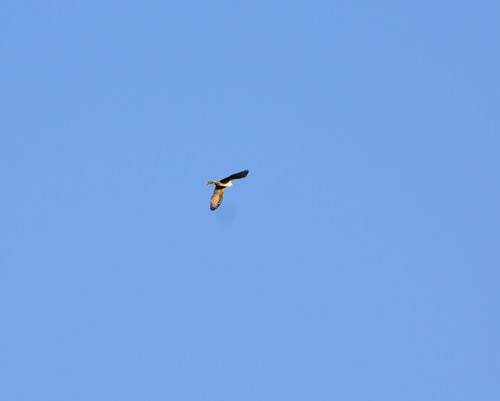 Dideric Cuckoo
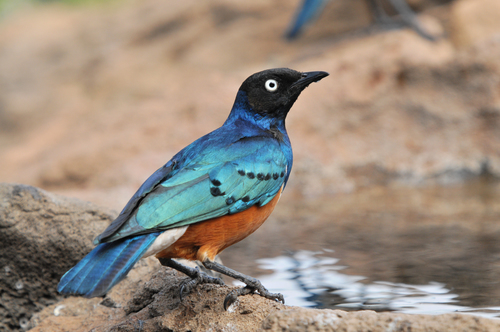 Superb Starling
In short
The most reliable field mark to separate Dideric Cuckoo from Superb Starling is the combination of overall plumage pattern and structural differences: Superb Starling adults show a striking black head, iridescent blue-green upperparts, a white breast band, and a rufous-orange belly, while Dideric Cuckoo is a slimmer, green-and-white bird with coppery highlights and lacks the starling's bold color blocks. Juvenile Dideric Cuckoos have a red bill and a white wing-bar, while juvenile Superb Starlings are duller but never show a white wing-bar or coppery tones. Dideric Cuckoo is much lighter-bodied and more slender, with a shorter, finer bill and a more solitary, skulking demeanor. Superb Starling is heavier, stockier, and more gregarious, often seen in groups. Vocalizations are also distinct: the cuckoo gives a repetitive, clear 'deed-deed-deed-er-ick', while the starling produces trills, chatters, and harsh screeches.
Identification tips
- Juvenile wing-bar: If you see a small bird with a white wing-bar, red bill, and coppery upperparts, especially in flight or perched, it is a juvenile Dideric Cuckoo. Superb Starling juveniles never show a white wing-bar or coppery tones.
- Bill shape: Dideric Cuckoo has a short, fine bill, while Superb Starling has a longer, narrow, and stronger bill. Bill shape is especially useful at close range.
- Head and face: Superb Starling adults have a black head and pale creamy-white eyes, while Dideric Cuckoo has a greenish head with a broken white eye-stripe and dark eyes. Juvenile starlings have brown eyes.
- Breast and belly: Superb Starling shows a sharp white breast band separating the blue breast from the rufous-orange belly. Dideric Cuckoo has whitish underparts, sometimes brownish in females, but never a bold white band or rufous belly.
- Upperparts: Dideric Cuckoo is glossy green with coppery areas (especially in females and juveniles), while Superb Starling is iridescent blue-green but lacks coppery tones.
- Tail pattern: Dideric Cuckoo has white tips to the four outer tail feathers and white spots on the outermost pair; Superb Starling's tail is blue-green and lacks such patterning.
- Flank markings: Female and juvenile Dideric Cuckoo show brown or coppery barring/blotching on the flanks; Superb Starling flanks are rufous-orange and unmarked.
- Size and structure: Dideric Cuckoo is slimmer, lighter (33g), and more elongated, while Superb Starling is heavier (65.5g), stockier, and more robust.
- Behavior: Dideric Cuckoo is solitary and often skulks in bushes; Superb Starling is gregarious, often in noisy flocks.
- Habitat: If the bird is in a group in open country, gardens, or urban areas, it is likely a Superb Starling. Dideric Cuckoo is more often alone in bushy or wooded areas.
- Voice: Listen for the repetitive, clear 'deed-deed-deed-er-ick' of the cuckoo versus the starling's trills, chatters, and harsh screeches. Vocalizations are a reliable separator if heard well.
- Sex differences: Female Dideric Cuckoo is more coppery above and has coppery barring on the flanks; Superb Starling shows no strong sexual dimorphism in plumage.
- Flight jizz: Dideric Cuckoo flies with a more direct, undulating flight and appears more slender; Superb Starling is more robust and direct in flight, often with a flock.
- Pitfalls: A dull juvenile Superb Starling may lack the white breast band but will not show coppery tones, white wing-bar, or red bill. Female Dideric Cuckoo may appear browner below but never shows the starling's color blocks.
- Context: If you see a bird near weaver or bishop nests, especially acting secretive, consider Dideric Cuckoo, as it is a brood parasite of these species.
Size
Dideric Cuckoo is significantly lighter (33.0g) than Superb Starling (65.5g), though their lengths overlap (both around 18–20 cm). The cuckoo is slimmer and more delicate, with a fine, short bill, while the starling is robust, with a longer, narrow bill and strong feet. In the field, the starling often looks chunkier and more upright, especially when perched, compared to the more elongated, slender jizz of the cuckoo.
Plumage
- Juveniles: Juvenile Dideric Cuckoo shows a red bill, streaky throat, white wing-bar, coppery upperparts, and brown-blotched flanks. Juvenile Superb Starling lacks the white breast band, has duller overall coloration, and brown eyes, but never shows a white wing-bar or coppery tones.
- Adult Dideric Cuckoo: Glossy green above with coppery areas, broken white eye-stripe, short green malar stripe, whitish underparts, and white spots on the inner vanes of the remiges. The tail has white tips and spots on the outer feathers. Females are more coppery above and have coppery barring on the flanks, with underparts often washed brownish.
- Adult Superb Starling: Black head, iridescent blue-green back, upper breast, wings, and tail. White breast band sharply separates the blue breast from the rufous-orange belly. White undertail coverts and wing linings. Eyes are pale creamy-white in adults.
- Key contrast: Only the cuckoo (especially juveniles) shows a white wing-bar and coppery tones; only the starling has a black head, white breast band, and rufous belly.
Behaviour
Dideric Cuckoo is typically solitary, often skulking in open woodland, savanna, or riverside bushes, and is less conspicuous in its movements. Superb Starling is highly social, often seen in noisy flocks, foraging openly on the ground or in trees, and is much more likely to be seen in groups. The cuckoo is a brood parasite and is rarely seen interacting with other birds except during egg-laying, while the starling is gregarious year-round.
Habitat
Dideric Cuckoo prefers open woodland, savanna, and riverside bushes, often in more vegetated or bushy areas, and is generally solitary. Superb Starling is common in open country, including savanna, gardens, and urban areas, and is much more likely to be seen in human-altered habitats and in groups. If you see a bird in a flock in a town or open field, it is far more likely to be a Superb Starling.
Voice
Dideric Cuckoo gives a persistent, loud, clear 'deed-deed-deed-deed-er-ick' call, usually four identical notes followed by a twitter. Superb Starling has a long, loud song of trills and chatters, with midday softer repeated phrases and several harsh, complex calls described as 'skerrrreeee-cherrrroo-tcherreeeeeet'. The cuckoo's call is repetitive and clear, while the starling's is varied, noisy, and often harsh.