
Dideric Cuckoo vs Superb Starling
Chrysococcyx caprius contro Lamprotornis superbus
Fai un quiz con Dideric Cuckoo e Superb Starling
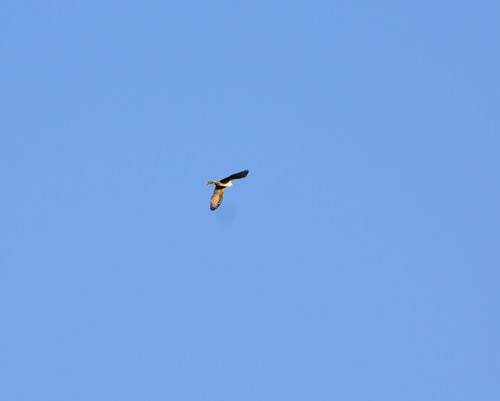 Dideric Cuckoo
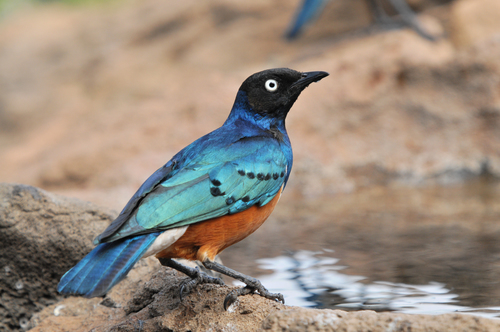 Superb Starling
In breve
Il segno distintivo più affidabile per separare il Dideric Cuckoo dallo Superb Starling è la combinazione del modello generale del piumaggio e delle differenze strutturali: gli adulti dello Superb Starling mostrano una testa nera sorprendente, parti superiori blu-verdi iridescenti, una banda bianca sul petto e un ventre rufous-arancio, mentre il Dideric Cuckoo è un uccello più snello, verde e bianco con riflessi ramati e privo dei blocchi di colore audaci dello starling. I Dideric Cuckoo juvenili hanno un becco rosso e una banda bianca sulle ali, mentre i Superb Starling juvenili sono più opachi ma non mostrano mai una banda bianca sulle ali o toni ramati. Il Dideric Cuckoo è molto più leggero e più snello, con un becco più corto e fine e un comportamento più solitario e furtivo. Lo Superb Starling è più pesante, robusto e più gregario, spesso visto in gruppi. Anche le vocalizzazioni sono distinte: il cuculo emette un 'deed-deed-deed-er-ick' ripetitivo e chiaro, mentre lo starling produce trilli, chiacchiere e striduli aspri.
Consigli di identificazione
- Juvenile wing-bar: Se vedi un piccolo uccello con una banda bianca sulle ali, un becco rosso e parti superiori ramate, specialmente in volo o posato, è un Dideric Cuckoo juvenile. I Superb Starling juvenili non mostrano mai una banda bianca sulle ali o toni ramati.
- Bill shape: Il Dideric Cuckoo ha un becco corto e fine, mentre lo Superb Starling ha un becco più lungo, stretto e robusto. La forma del becco è particolarmente utile a distanza ravvicinata.
- Head and face: Gli adulti dello Superb Starling hanno una testa nera e occhi bianchi crema pallidi, mentre il Dideric Cuckoo ha una testa verdastra con una striscia oculare bianca interrotta e occhi scuri. Gli starling juvenili hanno occhi marroni.
- Breast and belly: Lo Superb Starling mostra una banda bianca netta che separa il petto blu dal ventre rufous-arancio. Il Dideric Cuckoo ha parti inferiori bianche, a volte marroni nelle femmine, ma non ha mai una banda bianca audace o un ventre rufous.
- Upperparts: Il Dideric Cuckoo è verde lucido con aree ramate (specialmente nelle femmine e nei juvenili), mentre lo Superb Starling è blu-verde iridescente ma privo di toni ramati.
- Tail pattern: Il Dideric Cuckoo ha punte bianche sulle quattro penne esterne della coda e macchie bianche sulla coppia più esterna; la coda dello Superb Starling è blu-verde e priva di tale pattern.
- Flank markings: Le femmine e i juvenili del Dideric Cuckoo mostrano barrature/macchie marroni o ramate sui fianchi; i fianchi dello Superb Starling sono rufous-arancio e privi di segni.
- Size and structure: Il Dideric Cuckoo è più snello, più leggero (33g) e più allungato, mentre lo Superb Starling è più pesante (65.5g), robusto e più robusto.
- Behavior: Il Dideric Cuckoo è solitario e spesso si nasconde nei cespugli; lo Superb Starling è gregario, spesso in stormi rumorosi.
- Habitat: Se l'uccello è in un gruppo in campagna aperta, giardini o aree urbane, è probabile che sia uno Superb Starling. Il Dideric Cuckoo è più spesso solo in aree cespugliose o boschive.
- Voice: Ascolta il 'deed-deed-deed-er-ick' ripetitivo e chiaro del cuculo rispetto ai trilli, chiacchiere e striduli aspri dello starling. Le vocalizzazioni sono un separatore affidabile se ascoltate bene.
- Sex differences: La femmina del Dideric Cuckoo è più ramata sopra e ha barrature ramate sui fianchi; lo Superb Starling non mostra un forte dimorfismo sessuale nel piumaggio.
- Flight jizz: Il Dideric Cuckoo vola con un volo più diretto e ondulato e appare più snello; lo Superb Starling è più robusto e diretto in volo, spesso con uno stormo.
- Pitfalls: Un Superb Starling juvenile opaco può mancare della banda bianca sul petto ma non mostrerà toni ramati, banda bianca sulle ali o becco rosso. La femmina del Dideric Cuckoo può apparire più marrone sotto ma non mostra mai i blocchi di colore dello starling.
- Context: Se vedi un uccello vicino ai nidi di tessitori o vescovi, specialmente agendo in modo riservato, considera il Dideric Cuckoo, poiché è un parassita di nidi di queste specie.
Taglia
Il Dideric Cuckoo è significativamente più leggero (33.0g) dello Superb Starling (65.5g), anche se le loro lunghezze si sovrappongono (entrambi intorno ai 18–20 cm). Il cuculo è più snello e più delicato, con un becco fine e corto, mentre lo starling è robusto, con un becco più lungo e stretto e piedi forti. Sul campo, lo starling appare spesso più massiccio e più eretto, specialmente quando è posato, rispetto al comportamento più allungato e snello del cuculo.
Piumaggio
- Juveniles: Il Dideric Cuckoo juvenile mostra un becco rosso, una gola striata, una banda bianca sulle ali, parti superiori ramate e fianchi macchiati di marrone. Lo Superb Starling juvenile manca della banda bianca sul petto, ha una colorazione generale più opaca e occhi marroni, ma non mostra mai una banda bianca sulle ali o toni ramati.
- Adult Dideric Cuckoo: Verde lucido sopra con aree ramate, striscia oculare bianca interrotta, striscia malare verde corta, parti inferiori bianche e macchie bianche sulle vane interne delle remiganti. La coda ha punte bianche e macchie sulle penne esterne. Le femmine sono più ramate sopra e hanno barrature ramate sui fianchi, con parti inferiori spesso lavate di marrone.
- Adult Superb Starling: Testa nera, dorso blu-verde iridescente, parte superiore del petto, ali e coda. La banda bianca sul petto separa nettamente il petto blu dal ventre rufous-arancio. Coperture bianche sotto la coda e rivestimenti delle ali. Gli occhi sono bianchi crema pallidi negli adulti.
- Key contrast: Solo il cuculo (soprattutto i juvenili) mostra una banda bianca sulle ali e toni ramati; solo lo starling ha una testa nera, una banda bianca sul petto e un ventre rufous.
Comportamento
Il Dideric Cuckoo è tipicamente solitario, spesso si nasconde in boschi aperti, savane o cespugli lungo i fiumi, ed è meno evidente nei suoi movimenti. Lo Superb Starling è altamente sociale, spesso visto in stormi rumorosi, foraggiando apertamente a terra o sugli alberi, ed è molto più probabile essere visto in gruppi. Il cuculo è un parassita di nidi e raramente viene visto interagire con altri uccelli tranne durante la deposizione delle uova, mentre lo starling è gregario tutto l'anno.
Habitat
Il Dideric Cuckoo preferisce boschi aperti, savane e cespugli lungo i fiumi, spesso in aree più vegetate o cespugliose, ed è generalmente solitario. Lo Superb Starling è comune in campagna aperta, comprese savane, giardini e aree urbane, ed è molto più probabile essere visto in habitat alterati dall'uomo e in gruppi. Se vedi un uccello in uno stormo in una città o in un campo aperto, è molto più probabile che sia uno Superb Starling.
Voce
Il Dideric Cuckoo emette un richiamo persistente, forte e chiaro 'deed-deed-deed-deed-er-ick', di solito quattro note identiche seguite da un twitter. Lo Superb Starling ha una lunga e forte canzone di trilli e chiacchiere, con frasi ripetute più morbide a mezzogiorno e diversi richiami aspri e complessi descritti come 'skerrrreeee-cherrrroo-tcherreeeeeet'. Il richiamo del cuculo è ripetitivo e chiaro, mentre quello dello starling è vario, rumoroso e spesso aspro.