
Cuclillo Didric vs Estornino Soberbio
Chrysococcyx caprius frente a Lamprotornis superbus
Juega un quiz con Cuclillo Didric y Estornino Soberbio
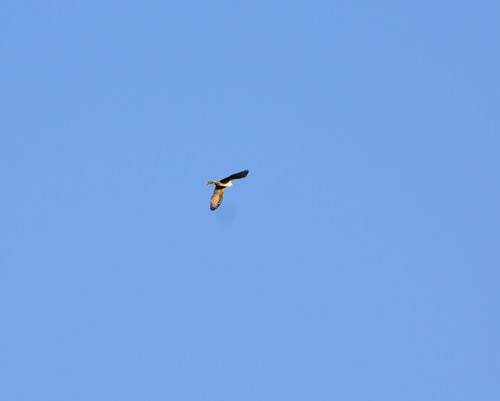 Cuclillo Didric
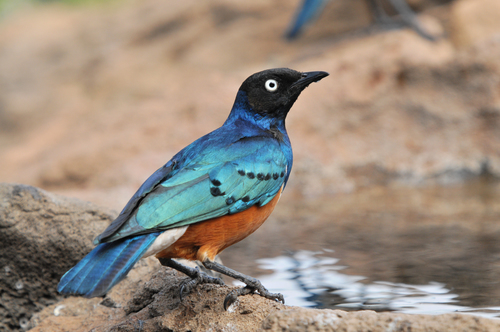 Estornino Soberbio
En breve
La marca de campo más confiable para separar el Cuclillo Didric del Estornino Soberbio es la combinación del patrón general del plumaje y las diferencias estructurales: los adultos del Estornino Soberbio muestran una cabeza negra llamativa, partes superiores iridiscentes azul-verdosas, una banda blanca en el pecho y un vientre rufo-naranja, mientras que el Cuclillo Didric es un pájaro más delgado, verde y blanco con matices cobrizos y carece de los bloques de color audaces del estornino. Los cuclillos didric juveniles tienen un pico rojo y una barra alar blanca, mientras que los estorninos soberbios juveniles son más apagados pero nunca muestran una barra alar blanca o tonos cobrizos. El Cuclillo Didric es mucho más ligero y más esbelto, con un pico más corto y fino y un comportamiento más solitario y furtivo. El Estornino Soberbio es más pesado, robusto y más gregario, a menudo visto en grupos. Las vocalizaciones también son distintas: el cuclillo emite un 'deed-deed-deed-er-ick' repetitivo y claro, mientras que el estornino produce trinos, charlas y gritos ásperos.
Consejos de identificación
- Barra alar juvenil: Si ves un pájaro pequeño con una barra alar blanca, pico rojo y partes superiores cobrizas, especialmente en vuelo o posado, es un Cuclillo Didric juvenil. Los juveniles del Estornino Soberbio nunca muestran una barra alar blanca o tonos cobrizos.
- Forma del pico: El Cuclillo Didric tiene un pico corto y fino, mientras que el Estornino Soberbio tiene un pico más largo, estrecho y fuerte. La forma del pico es especialmente útil a corta distancia.
- Cabeza y cara: Los adultos del Estornino Soberbio tienen una cabeza negra y ojos de un blanco cremoso pálido, mientras que el Cuclillo Didric tiene una cabeza verdosa con una franja ocular blanca rota y ojos oscuros. Los estorninos juveniles tienen ojos marrones.
- Pecho y vientre: El Estornino Soberbio muestra una banda blanca aguda en el pecho que separa el pecho azul del vientre rufo-naranja. El Cuclillo Didric tiene partes inferiores blanquecinas, a veces marronosas en las hembras, pero nunca una banda blanca audaz o un vientre rufo.
- Partes superiores: El Cuclillo Didric es verde brillante con áreas cobrizas (especialmente en hembras y juveniles), mientras que el Estornino Soberbio es azul-verde iridiscente pero carece de tonos cobrizos.
- Patrón de la cola: El Cuclillo Didric tiene puntas blancas en las cuatro plumas exteriores de la cola y manchas blancas en el par más exterior; la cola del Estornino Soberbio es azul-verde y carece de tal patrón.
- Marcas en los flancos: Las hembras y los juveniles del Cuclillo Didric muestran bandas/manchas marrones o cobrizas en los flancos; los flancos del Estornino Soberbio son rufo-naranjas y no tienen marcas.
- Tamaño y estructura: El Cuclillo Didric es más delgado, más ligero (33g) y más alargado, mientras que el Estornino Soberbio es más pesado (65.5g), robusto y más robusto.
- Comportamiento: El Cuclillo Didric es solitario y a menudo se oculta en los arbustos; el Estornino Soberbio es gregario, a menudo en bandadas ruidosas.
- Hábitat: Si el pájaro está en un grupo en campo abierto, jardines o áreas urbanas, es probable que sea un Estornino Soberbio. El Cuclillo Didric es más a menudo solitario en áreas arbustivas o boscosas.
- Voz: Escucha el 'deed-deed-deed-er-ick' repetitivo y claro del cuclillo frente a los trinos, charlas y gritos ásperos del estornino. Las vocalizaciones son un separador confiable si se escuchan bien.
- Diferencias sexuales: La hembra del Cuclillo Didric es más cobriza por encima y tiene bandas cobrizas en los flancos; el Estornino Soberbio no muestra un fuerte dimorfismo sexual en el plumaje.
- Vuelo: El Cuclillo Didric vuela con un vuelo más directo y ondulante y parece más esbelto; el Estornino Soberbio es más robusto y directo en vuelo, a menudo con una bandada.
- Trampas: Un juvenil apagado del Estornino Soberbio puede carecer de la banda blanca en el pecho pero no mostrará tonos cobrizos, barra alar blanca o pico rojo. La hembra del Cuclillo Didric puede parecer más marrón por debajo pero nunca muestra los bloques de color del estornino.
- Contexto: Si ves un pájaro cerca de nidos de tejedores o obispos, especialmente actuando de manera secreta, considera el Cuclillo Didric, ya que es un parásito de cría de estas especies.
Tamaño
El Cuclillo Didric es significativamente más ligero (33.0g) que el Estornino Soberbio (65.5g), aunque sus longitudes se superponen (ambos alrededor de 18–20 cm). El cuclillo es más delgado y más delicado, con un pico fino y corto, mientras que el estornino es robusto, con un pico más largo y estrecho y patas fuertes. En el campo, el estornino a menudo parece más robusto y erguido, especialmente cuando está posado, en comparación con el jizz más alargado y esbelto del cuclillo.
Plumaje
- Juveniles: El Cuclillo Didric juvenil muestra un pico rojo, garganta estriada, barra alar blanca, partes superiores cobrizas y flancos manchados de marrón. El Estornino Soberbio juvenil carece de la banda blanca en el pecho, tiene una coloración general más apagada y ojos marrones, pero nunca muestra una barra alar blanca o tonos cobrizos.
- Adulto Cuclillo Didric: Verde brillante por encima con áreas cobrizas, franja ocular blanca rota, franja malar verde corta, partes inferiores blanquecinas y manchas blancas en las vanas internas de las remiges. La cola tiene puntas blancas y manchas en las plumas exteriores. Las hembras son más cobrizas por encima y tienen bandas cobrizas en los flancos, con partes inferiores a menudo lavadas de marrón.
- Adulto Estornino Soberbio: Cabeza negra, espalda azul-verde iridiscente, parte superior del pecho, alas y cola. La banda blanca en el pecho separa agudamente el pecho azul del vientre rufo-naranja. Coberturas de la cola y forros de las alas son blancos. Los ojos son de un blanco cremoso pálido en los adultos.
- Contraste clave: Solo el cuclillo (especialmente los juveniles) muestra una barra alar blanca y tonos cobrizos; solo el estornino tiene una cabeza negra, banda blanca en el pecho y vientre rufo.
Comportamiento
El Cuclillo Didric es típicamente solitario, a menudo ocultándose en bosques abiertos, sabanas o arbustos ribereños, y es menos conspicuo en sus movimientos. El Estornino Soberbio es altamente social, a menudo visto en bandadas ruidosas, forrajeando abiertamente en el suelo o en los árboles, y es mucho más probable que se vea en grupos. El cuclillo es un parásito de cría y rara vez se ve interactuando con otros pájaros excepto durante la puesta de huevos, mientras que el estornino es gregario durante todo el año.
Hábitat
El Cuclillo Didric prefiere bosques abiertos, sabanas y arbustos ribereños, a menudo en áreas más vegetadas o arbustivas, y generalmente es solitario. El Estornino Soberbio es común en campo abierto, incluyendo sabanas, jardines y áreas urbanas, y es mucho más probable que se vea en hábitats alterados por humanos y en grupos. Si ves un pájaro en una bandada en un pueblo o campo abierto, es mucho más probable que sea un Estornino Soberbio.
Voz
El Cuclillo Didric emite un llamado persistente, fuerte y claro de 'deed-deed-deed-deed-er-ick', generalmente cuatro notas idénticas seguidas de un trino. El Estornino Soberbio tiene una larga y fuerte canción de trinos y charlas, con frases repetidas más suaves al mediodía y varios llamados ásperos y complejos descritos como 'skerrrreeee-cherrrroo-tcherreeeeeet'. El llamado del cuclillo es repetitivo y claro, mientras que el del estornino es variado, ruidoso y a menudo áspero.