

bico-chato-de-orelha-preta vs yellow-winged flatbill
Tolmomyias sulphurescens versus Tolmomyias flavotectus
Jogue um quiz com bico-chato-de-orelha-preta e yellow-winged flatbill
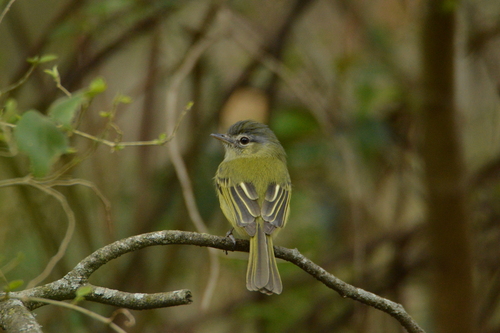 bico-chato-de-orelha-preta
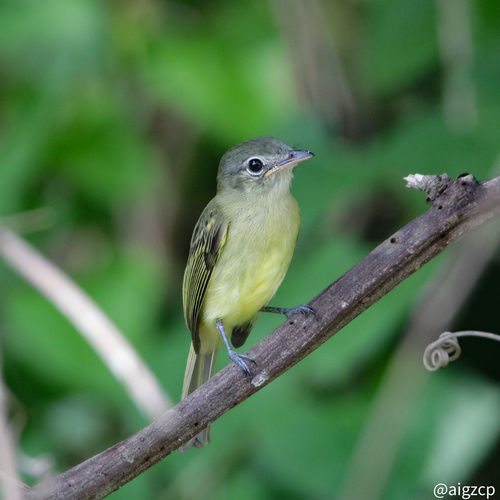 yellow-winged flatbill
Em resumo
A marca de campo mais confiável entre o bico-chato-de-orelha-preta e o yellow-winged flatbill é o padrão das asas: o adulto yellow-winged flatbill apresenta bordas largas e brilhantes de amarelo nas penas das asas, criando uma aparência distintamente amarelada, enquanto o bico-chato-de-orelha-preta tem bordas mais estreitas e menos contrastantes. A cor da cabeça também é fundamental: o yellow-winged flatbill tem uma cabeça cinza escura com um anel ocular branco nítido, enquanto o bico-chato-de-orelha-preta tem uma coroa oliva com um anel ocular mais fino e menos óbvio. Os juvenis de ambas as espécies são mais apagados, mas os juvenis do yellow-winged flatbill não têm a forte cabeça cinza e apresentam menos amarelo distinto nas asas. Ambas as espécies são semelhantes em tamanho e estrutura, mas suas distribuições se sobrepõem apenas em partes da América Central e noroeste da América do Sul. Use primeiro o padrão das asas e da cabeça, especialmente em aves empoleiradas, e tenha cuidado com os juvenis, que podem ser confusos.
Dicas de identificação
- Padrão das asas (adultos): Procure bordas largas e brilhantes de amarelo nas penas das asas do yellow-winged flatbill, criando um forte efeito amarelado. O bico-chato-de-orelha-preta tem bordas mais estreitas e apagadas, formando duas barras nas asas, mas sem o brilho amarelo geral.
- Cor da cabeça: O yellow-winged flatbill tem uma cabeça cinza escura com um anel ocular branco nítido, enquanto o bico-chato-de-orelha-preta tem uma coroa e nuca oliva com um anel ocular branco mais fino e menos distinto e, às vezes, um supercílios branco fino.
- Confusão juvenil: O juvenil do yellow-winged flatbill não tem a forte cabeça cinza e apresenta menos amarelo nas asas, tornando-se mais semelhante aos juvenis do bico-chato-de-orelha-preta, que têm partes inferiores mais claras, um anel ocular quebrado e uma íris escura. Em juvenis, o padrão das asas e da cabeça é menos confiável, então tenha cautela.
- Partes inferiores: Ambas as espécies têm barrigas e coberturas de cauda amarelas, mas a garganta e o peito do yellow-winged flatbill são cinza claro com um tom amarelado, enquanto os do bico-chato-de-orelha-preta são mais verde-oliva a cinza.
- Marcas faciais: O bico-chato-de-orelha-preta pode mostrar uma fina faixa branca acima das lore e um anel ocular branco fino; o anel ocular branco do yellow-winged flatbill é mais proeminente e completo.
- Cauda: Ambas as espécies têm caudas verde-oliva a marrons com bordas claras, não sendo um separador forte.
- Bico: Ambas têm um bico largo e plano com uma maxila preta e uma mandíbula clara; a cor e a forma do bico não são confiáveis para separação.
- Cor da íris: A íris do bico-chato-de-orelha-preta é variável (marrom claro a cinza claro, às vezes escura em algumas subespécies/juvenis); a do yellow-winged flatbill é oliva a marrom escuro. Isso é sutil e nem sempre visível em campo.
- Tamanho e estrutura: Ambas são semelhantes em tamanho e proporções; não confie no tamanho ou na aparência geral para separação.
- Distribuição: Se você estiver fora da Colômbia, Costa Rica, Panamá ou noroeste do Equador, você quase certamente tem o bico-chato-de-orelha-preta. Em zonas de sobreposição, use marcas de plumagem.
- Habitat: Em áreas de sobreposição, o yellow-winged flatbill é mais provável de ser encontrado em interiores de florestas úmidas e florestas secundárias maduras; o bico-chato-de-orelha-preta é mais generalista.
- Visões de voo: Em voo, procure o forte amarelo nas asas do yellow-winged flatbill (adultos); as asas do bico-chato-de-orelha-preta são menos impressionantes.
- Confusão de subespécies: O bico-chato-de-orelha-preta é altamente variável em sua distribuição, mas nenhuma de suas formas apresenta as largas bordas amarelas brilhantes das asas do yellow-winged flatbill.
- Voz: Não descrita nas notas fornecidas; não use como separador aqui.
- Estação/sexo: Ambas as espécies são sexualmente monomórficas e não apresentam mudanças sazonais fortes na plumagem.
Tamanho
Ambas as espécies são muito semelhantes em tamanho: o bico-chato-de-orelha-preta mede 12,5–14 cm de comprimento e pesa 14,5–15,2 g, enquanto o yellow-winged flatbill mede 13–13,5 cm e cerca de 15 g. Em campo, o tamanho não é um separador útil, pois ambas são pequenos, com bicos planos, com proporções semelhantes. A largura e o comprimento do bico são comparáveis, e ambas têm um bico largo e plano típico de Tolmomyias, portanto, as diferenças estruturais são sutis e não confiáveis para separação.
Plumagem
-
Juvenis: Ambas as espécies têm plumagem mais apagada e menos contrastante do que os adultos. O juvenil do bico-chato-de-orelha-preta apresenta partes inferiores mais claras, um anel ocular quebrado e uma íris escura. O juvenil do yellow-winged flatbill não tem a forte cabeça cinza e apresenta bordas amarelas menos distintas nas asas, tornando o efeito 'asado' mais fraco do que nos adultos.
-
Adultos (todas as estações):
- Yellow-winged Flatbill: Cabeça cinza escura com um anel ocular branco nítido, costas e cauda verde-oliva, e bordas largas e brilhantes de amarelo nas penas das asas (especialmente coberturas e remiges), fazendo com que as asas pareçam distintamente marginais em amarelo, mesmo à distância. A garganta e o peito são cinza claro com um tom amarelado, a barriga e as coberturas de cauda são amarelas.
-
Bico-chato-de-orelha-preta: Coroa e nuca oliva, fina faixa branca acima das lore, anel ocular branco fino e partes superiores verde-oliva. As asas são escuras ou negras com bordas amarelo-oliva nas coberturas (formando duas barras nas asas) e bordas amareladas nas remiges, mas estas são mais estreitas e menos vibrantes do que no yellow-winged flatbill. A garganta é cinza verde claro, o peito e as flancos são verde-oliva cinza, e a barriga/coberturas de cauda são amarelas brilhantes. A cauda é marrons a escuras com bordas claras.
-
Variação de subespécies: O bico-chato-de-orelha-preta possui muitas subespécies com diferenças sutis na cor da coroa, marcas faciais e tonalidade da barriga, mas nenhuma apresenta as largas bordas amarelas das asas do yellow-winged flatbill.
Comportamento
Ambas as espécies forrageiam no meio da floresta até o dossel, frequentemente se juntando a bandos de espécies mistas. Elas são tipicamente vistas sozinhas ou em pares, raramente em grupos. O comportamento de forrageio é semelhante: saltando para pegar insetos de poleiros e coletando de folhagens. Nenhuma das espécies é particularmente conspícua em movimento ou voo, e ambas podem ser ignoradas em folhagens densas. O comportamento de nidificação não é uma marca de campo útil, pois ambas constroem ninhos suspensos em forma de bolsa, embora o ninho do yellow-winged flatbill seja descrito como em forma de pera com uma entrada de túnel inclinada.
Habitat
O bico-chato-de-orelha-preta tem uma distribuição muito mais ampla, encontrado do México através da América Central, Trinidad e quase toda a América do Sul, exceto o Chile. Ele ocupa uma ampla variedade de tipos de floresta, incluindo bordas e crescimento secundário. O yellow-winged flatbill é restrito a florestas úmidas da encosta caribenha da Costa Rica através do Panamá e Colômbia ocidental até o norte do Equador, e está ausente da América do Sul oriental e da maior parte da América Central. Onde as distribuições se sobrepõem (Costa Rica, Panamá, Colômbia ocidental, noroeste do Equador), as preferências de habitat podem convergir, mas o yellow-winged flatbill está mais ligado a interiores de florestas úmidas e crescimento secundário maduro, enquanto o bico-chato-de-orelha-preta pode ser encontrado em uma gama mais ampla de habitats florestais.
bico-chato-de-orelha-preta · yellow-winged flatbill · Minhas aves difíceis